
The health of political leaders has always been a topic of public interest. Citizens often want to know whether elected officials are physically and mentally capable of handling the enormous responsibilities that come with leading a nation. In the United States, few political figures have attracted as much attention and scrutiny as Donald Trump.
Over the years, discussions about Donald Trump’s health have frequently appeared in news reports, social media conversations, political debates, and public forums. Supporters and critics alike have closely examined everything from his public appearances and medical reports to viral videos and online rumors. As a result, it can sometimes be difficult to distinguish verified information from speculation.
In today’s digital world, information spreads faster than ever. A short video clip, an edited photograph, or an unverified social media post can quickly generate widespread discussion. This makes it increasingly important to separate confirmed facts from assumptions and rumors.
Understanding the difference between documented medical information and online speculation is essential for anyone seeking an accurate picture of Donald Trump’s health. By examining publicly available information and the broader context surrounding presidential health transparency, we can better understand why this topic continues to attract so much attention.
Why the Public Cares About Presidential Health
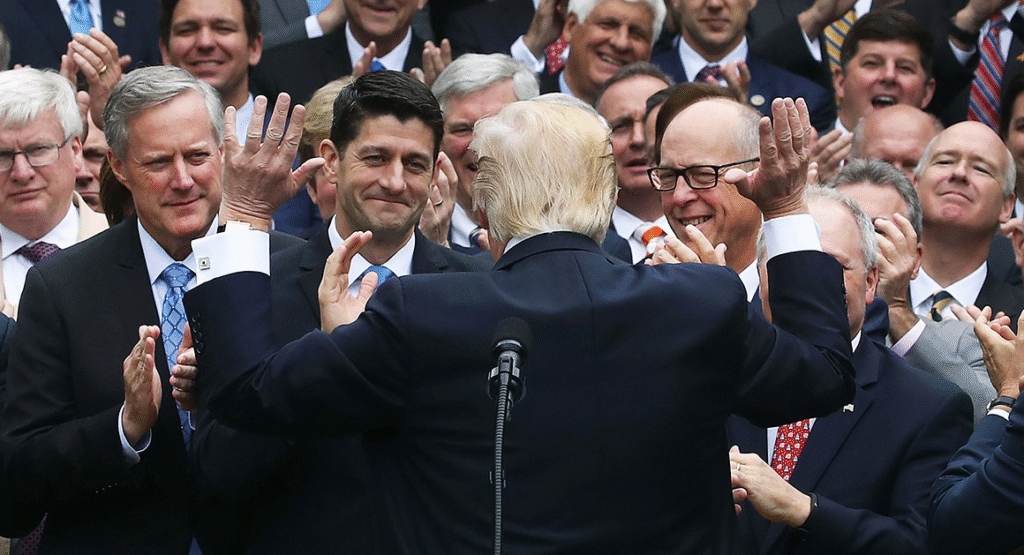
The health of a president is not merely a personal matter. The position involves demanding schedules, high-pressure decision-making, extensive travel, and responsibilities that affect millions of people.
Because of these factors, voters naturally want reassurance that their leaders are capable of performing their duties effectively. Questions about a president’s physical condition, stamina, and overall well-being often become part of broader political discussions.
Throughout American history, the health of presidents has attracted significant public interest. From Franklin D. Roosevelt to John F. Kennedy, Ronald Reagan, and Joe Biden, questions about health and fitness have periodically become major news stories.
Donald Trump is no exception. As one of the most recognizable political figures in modern history, his health has remained under constant public observation.
The Role of Age in Health Discussions
One reason Donald Trump’s health receives so much attention is his age. As people grow older, health naturally becomes a greater topic of discussion.
Age alone does not determine a person’s ability to perform demanding tasks. Many individuals remain active, productive, and mentally sharp well into their later years. However, age often prompts increased public curiosity about medical evaluations and physical fitness.
Because Donald Trump has served as president at an age when health discussions become more common, questions about his condition have frequently appeared in media coverage. Similar conversations have also surrounded other political leaders across the world.
The focus on age reflects broader societal concerns about leadership, experience, stamina, and the ability to handle complex responsibilities.
Understanding Official Medical Reports
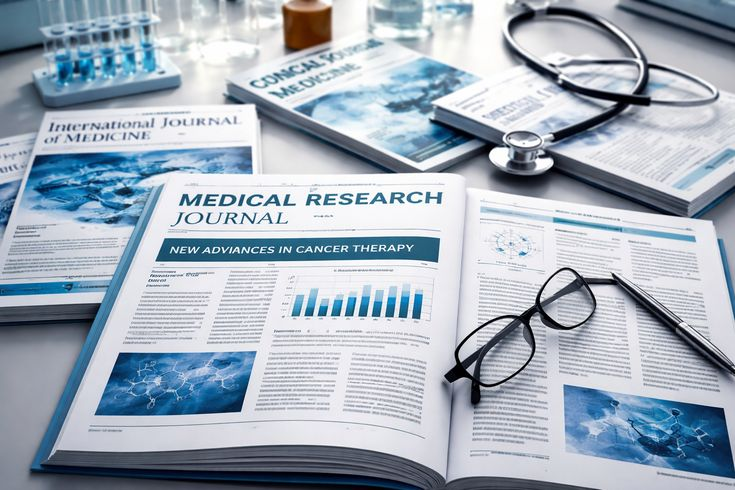
One of the most reliable sources of information regarding a president’s health is an official medical report released by the White House or a physician responsible for presidential care.
These reports typically summarize physical examinations, laboratory testing, cardiovascular evaluations, and other assessments deemed appropriate by medical professionals.
Recent public medical summaries regarding Donald Trump have stated that he remains in excellent health and is capable of performing presidential duties. Reports have described strong cardiac, pulmonary, neurological, and overall physical function according to examinations conducted by presidential physicians.
Medical reports have also included recommendations common for many adults, such as maintaining physical activity, focusing on diet, and continuing weight management efforts.
While official reports provide valuable information, they often become the subject of political interpretation, which can lead to differing public opinions.
How Rumors Begin
Health rumors often start with incomplete information. A photograph, a brief moment during a public appearance, or a misunderstood medical term can quickly become the basis for speculation.
Social media platforms amplify this effect because information can spread globally within minutes. People may share posts before verifying whether the information comes from a credible source.
In many cases, rumors gain traction because they align with existing political beliefs. Supporters may dismiss concerns entirely, while critics may assume the worst. The reality is often more nuanced than either extreme.
This pattern is not unique to Donald Trump. Similar situations have occurred with numerous political leaders, celebrities, and public figures throughout history.
The challenge for readers is learning how to evaluate information critically rather than accepting every claim at face value.
The Impact of Social Media on Health Speculation
Social media has fundamentally changed how people consume news. Unlike traditional journalism, where information typically passes through editors and fact-checkers, social media allows virtually anyone to publish opinions and theories.
As a result, health-related claims can spread rapidly regardless of whether they are supported by evidence.
Videos are particularly influential because viewers often assume visual content tells the complete story. However, short clips can be edited, taken out of context, or interpreted incorrectly.
A few seconds of footage showing someone stumbling, appearing tired, or making an unusual facial expression can quickly spark widespread speculation. Without context, such moments can be misleading.
The case of Donald Trump illustrates how quickly public figures can become the subject of intense online analysis, even when official information does not support dramatic conclusions.
Balancing Privacy and Transparency
One of the most difficult aspects of presidential health discussions involves balancing privacy with public transparency.
Every individual has a right to medical privacy. At the same time, presidents occupy unique positions of authority and responsibility.

This creates ongoing debates about how much medical information should be disclosed to the public. Some people argue that voters deserve extensive transparency, while others believe certain medical details should remain private unless they directly affect a leader’s ability to perform official duties.
The discussion is not limited to Donald Trump. Similar debates have surrounded numerous presidents and world leaders.
The challenge lies in finding a balance that respects personal privacy while maintaining public trust.
The Importance of Reliable Sources
When evaluating claims about any public figure’s health, the credibility of the source matters significantly.
Official medical reports, statements from physicians, and reputable news organizations generally provide more reliable information than anonymous social media accounts or unverified online posts.
Responsible journalism involves verifying facts before publication and clearly distinguishing between confirmed information and speculation.
Readers can protect themselves from misinformation by asking important questions. Is the information supported by evidence? Does it come from a credible source? Has it been independently verified?
These simple habits can dramatically improve a person’s ability to separate fact from rumor.
Public Perception and Political Polarization
Political polarization often influences how people interpret health-related news.
Supporters may view positive medical reports as proof that concerns are exaggerated. Critics may remain skeptical even when official examinations indicate good health.
This phenomenon reflects broader divisions within modern politics. Information is often filtered through political beliefs rather than evaluated solely on its merits.
The result is that identical pieces of information can produce dramatically different reactions among different audiences.
Understanding this dynamic helps explain why discussions about Donald Trump’s health frequently become political debates rather than purely medical conversations.
Why Fact-Based Discussions Matter
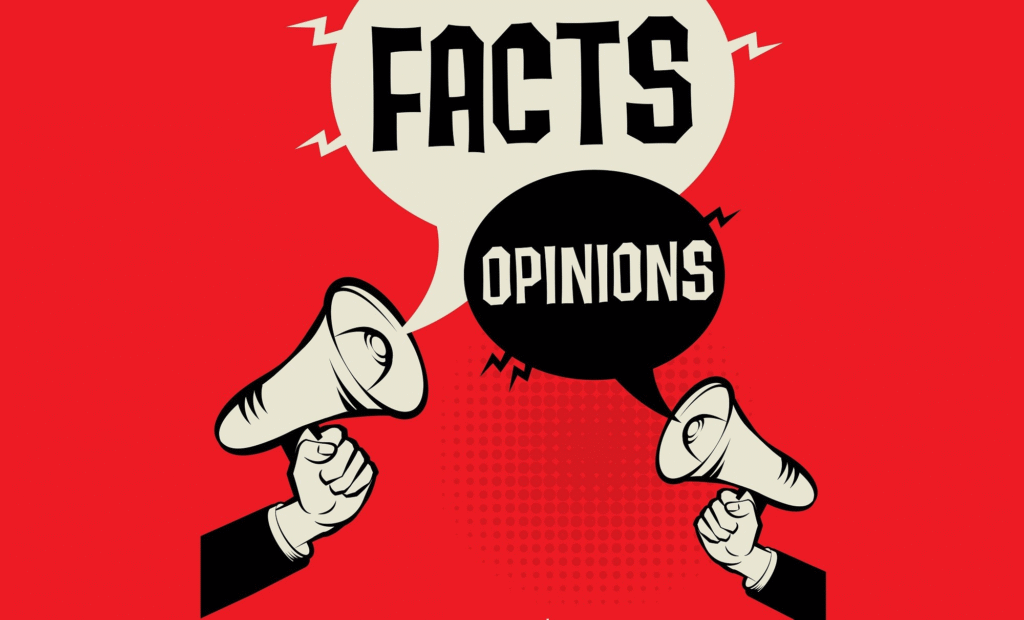
Health is an important topic that deserves careful and responsible discussion. Speculation without evidence can contribute to confusion, misinformation, and unnecessary division.
Fact-based discussions allow citizens to make informed judgments while respecting the importance of medical expertise and verified information.
When public conversations focus on evidence rather than assumptions, it becomes easier to understand complex issues and avoid the spread of misleading claims.
This principle applies not only to Donald Trump but also to all public figures whose health becomes the subject of public interest.
Looking Beyond Headlines
Modern news cycles often prioritize attention-grabbing headlines. While headlines can attract readers, they do not always provide the full context necessary to understand a story.
Health-related news is particularly vulnerable to oversimplification. A complex medical issue may be reduced to a few dramatic words that fail to capture the complete picture.
Readers benefit from looking beyond headlines and reviewing the underlying information whenever possible. This approach encourages a more accurate understanding of events and reduces the likelihood of being influenced by sensationalism.
In the case of Donald Trump’s health, examining official reports and verified information provides a clearer perspective than relying solely on social media discussions or viral rumors.
Frequently Asked Questions
1.Why is Donald Trump’s health frequently discussed in the media?
Donald Trump’s health attracts attention because he is a prominent political figure whose ability to perform presidential duties is of public interest.
2.Have official medical reports been released about Donald Trump’s health?
Yes. Various medical summaries and physician statements have been released publicly over the years, providing information about his overall health and fitness.
3.Do online rumors always reflect medical facts?
No. Many online rumors are based on speculation, incomplete information, or content taken out of context rather than verified medical evidence.
4.Why do health rumors spread so quickly?
Social media allows information to circulate rapidly, often before facts can be fully verified or explained.
5.Is age alone an indicator of health?
No. While age can increase the likelihood of certain health concerns, overall health depends on many factors including lifestyle, medical history, and individual circumstances.
- The Ultimate Guide to Ordering Fresh Groceries Online

- Who Is Audrey Leishman? The Woman Behind a Powerful Recovery Journey

- Life After Cancer: A Complete Guide for Cancer Survivors

- Donald Trump’s Health in the Spotlight: Separating Fact from Rumor
- Best Easy Food Recipes to Make at Home in 2026

- Top Relationship Tips for Happy and Successful Couples