
If you recently got a blood report back, saw a high cholesterol number flagged in red, and felt a pit form in your stomach, take a deep breath. You are in very good company.
High cholesterol is one of the single most common findings in modern preventive medicine. Yet, it is also one of the most widely misunderstood. Because elevated cholesterol develops quietly in the background without causing pain, fatigue, or physical discomfort, most people have no idea their numbers have changed until a routine checkup brings it to light.
The typical knee-jerk reaction goes straight to extremes: I need to throw out everything in my kitchen, stop eating fat forever, and live on dry leaves.
That reaction is completely understandable, but it stems from a basic misconception. Cholesterol is not a toxic substance your body is trying to eliminate; it is a vital biological compound that keeps you alive every single day. The goal isn’t to erase cholesterol from your life—it’s to understand how your body uses it, why it sometimes builds up where it shouldn’t, and how to keep it balanced with sensible, real-world habits.
What Cholesterol Actually Is (And Why You Can’t Live Without It)
To make sense of cholesterol, it helps to drop the idea that it is pure “artery sludge.”
Cholesterol is a soft, waxy, fat-like substance manufactured primarily by your liver. Your body relies on it as a core building material for several essential functions:
- Constructing Cell Walls: It sits inside every cell membrane in your body, providing the structural integrity and flexibility cells need to function.
- Manufacturing Essential Hormones: It serves as the chemical precursor for vital hormones, including cortisol, estrogen, progesterone, and testosterone.
- Producing Vitamin D: When sunlight hits your skin, your body uses cholesterol to synthesize active Vitamin D to support bone strength and immunity.
- Creating Digestive Bile: Your liver converts cholesterol into bile acids, which break down dietary fats in your gut so you can absorb nutrients.
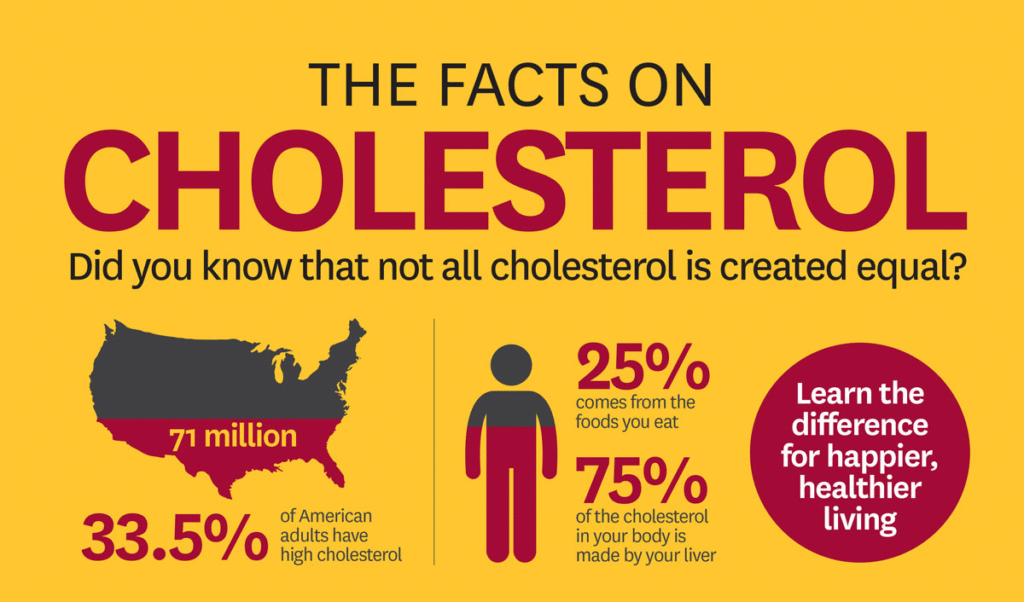
If your body stopped producing cholesterol, you wouldn’t survive. In fact, your liver and other cells manufacture roughly 75% to 80% of the cholesterol circulating in your bloodstream. Only a small fraction comes directly from the food you eat (specifically animal foods like meat, poultry, dairy, and eggs).
The problem isn’t that cholesterol exists in your body. The problem arises when the transport system carrying that cholesterol gets overloaded, leading to excess accumulation inside your blood vessel walls.
Decoding Your Lipid Panel: LDL, HDL, and Triglycerides
When your doctor orders a standard cholesterol test—a lipid panel—you get back a breakdown of several different numbers. Looking at these values together paints a clear picture of your metabolic and vascular health.
| Lipid Marker | Everyday Role | How to Think About It | Typical Target Range (General Adults) |
| LDL Cholesterol (Low-Density) | Transports fats from the liver out to body tissues. | The Delivery Truck: Necessary in normal amounts, but too many vehicles cause traffic jams and plaque buildup. | Less than $100\text{ mg/dL}$ (Lower for high-risk individuals) |
| HDL Cholesterol (High-Density) | Picks up excess cholesterol and hauls it back to the liver. | The Recycling Crew: Sweeps excess lipids out of circulation and sends them back for disposal. | $50\text{ mg/dL}$ or higher (women) $40\text{ mg/dL}$ or higher (men) |
| Triglycerides | Stores unused calories from food as fat in the blood. | Unused Energy Reserve: Elevated levels indicate a surplus of sugar, refined carbs, or alcohol. | Less than $150\text{ mg/dL}$ |
| Total Cholesterol | Combined mathematical calculation of circulating lipids. | Overall Summary: $\text{HDL} + \text{LDL} + (0.20 \times \text{Triglycerides})$ | Less than $200\text{ mg/dL}$ |
1. LDL (Low-Density Lipoprotein): The “Deliverers”
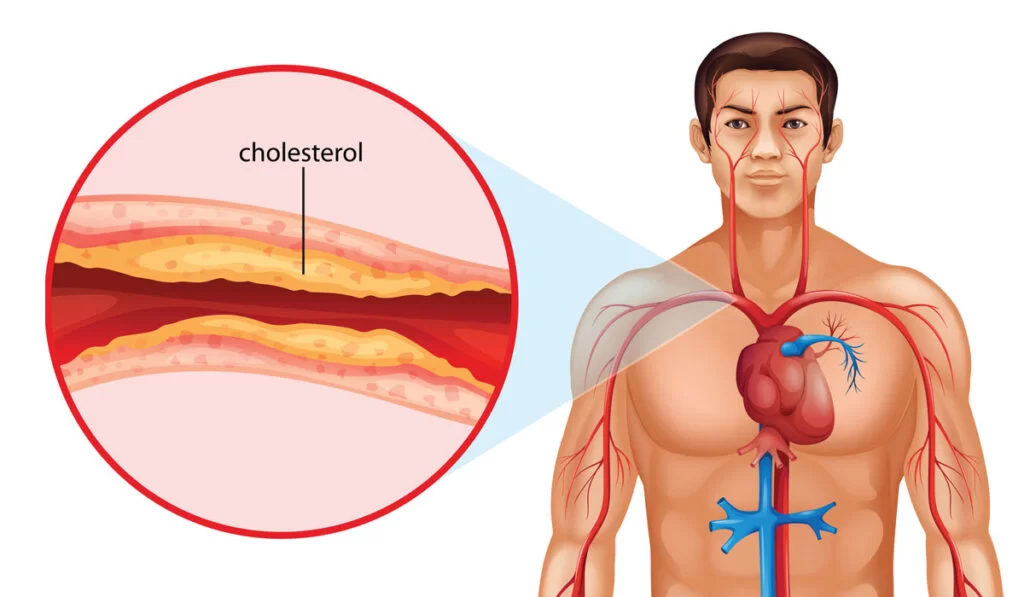
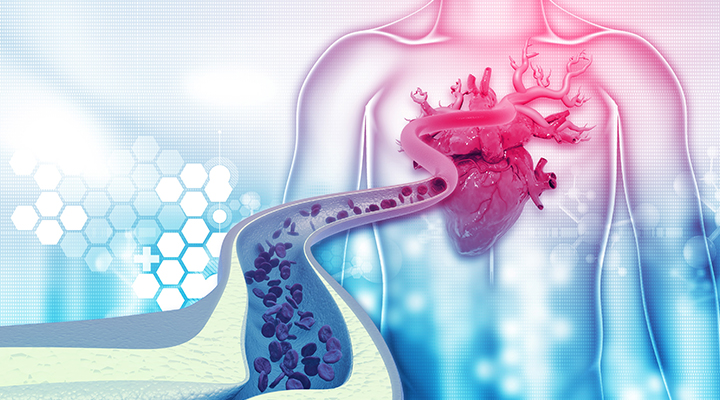
LDL is usually called “bad” cholesterol, but its basic delivery job is necessary. However, when you have too many LDL particles circulating in your bloodstream for too long, they can seep into the delicate inner lining of your blood vessels. Once trapped inside the vessel wall, they oxidize, trigger inflammation, and gradually form hard deposits called plaque. Over years, this process (atherosclerosis) narrows your blood vessels and restricts smooth blood flow.
2. HDL (High-Density Lipoprotein): The “Cleanup Crew”
HDL earns its “good” reputation because it acts like a biological street sweeper. HDL particles travel through your blood vessels, collect excess cholesterol from vessel walls, and haul it back to the liver to be broken down and excreted in bile. Higher HDL levels help keep your arterial walls clear and resilient.
3. Triglycerides: Unused Biological Energy
Triglycerides are not cholesterol, but they share space on the same lab report. When you consume more calories than your body uses right away—especially calories from sugar, refined carbohydrates, or alcohol—your liver converts them into triglycerides and stores them in fat cells. High triglycerides combined with high LDL significantly elevate long-term cardiovascular risk.
The “Silent” Reality: Why You Can’t Feel High Cholesterol
The single most challenging thing about elevated cholesterol is that it produces zero physical symptoms in its early and moderate stages.
You can have high LDL cholesterol for years while feeling energetic, sleeping soundly, working out, and feeling completely healthy. There is no headache, joint ache, fatigue, or stomach upset that warns you plaque is slowly collecting in your blood vessels.
Note: In rare cases involving severe genetic conditions, fat can collect in visible places—forming yellowish patches near the eyelids (xanthelasma) or firm bumps on tendons (xanthomas). However, these visible signs are absent in almost everyone with standard high cholesterol.
Because you cannot feel your lipid levels, relying on physical sensations to judge your arterial health simply doesn’t work. Regular blood work is the only practical way to catch cholesterol imbalances early.
What Actually Causes High Cholesterol?
It is easy to blame a single rich meal or a busy month at work, but lipid levels are driven by a mix of everyday habits, genetic traits, and metabolic factors.
                    ┌─────────────────────────────────────────┐
                    │      WHAT DRIVES YOUR CHOLESTEROL?      │
                    └────────────────────┬────────────────────┘
                                         │
         ┌───────────────────────────────┴───────────────────────────────┐
         ▼                                                               ▼
┌─────────────────────────────────┐                             ┌─────────────────────────────────┐
│       MODIFIABLE FACTORS        │                             │     NON-MODIFIABLE FACTORS      │
├─────────────────────────────────┤                             ├─────────────────────────────────┤
│ • High Saturated & Trans Fats   │                             │ • Inherited Genes (FH Mutation) │
│ • Lack of Soluble Fiber         │                             │ • Natural Aging & Menopause     │
│ • Sedentary Daily Routine       │                             │ • Underactive Thyroid (Hypo)    │
│ • Chronic Stress & Poor Sleep   │                             │ • Kidney or Liver Conditions    │
└─────────────────────────────────┘                             └─────────────────────────────────┘
1. Dietary Saturated Fats
While dietary cholesterol (found in eggs or shellfish) has a modest effect on blood cholesterol for most people, saturated fat and trans fat have a direct, powerful impact. Saturated fats—found in fatty meats, butter, ghee, palm oil, and full-fat dairy—signal your liver to produce more LDL cholesterol while reducing its ability to clear LDL from your blood.
2. Genetics and Family History
Genetics play a far larger role than most people realize. Some people eat a very clean diet and stay active, yet still struggle with elevated LDL because their liver is genetically wired to overproduce cholesterol or lacks enough LDL receptors to clear it efficiently. An extreme example is Familial Hypercholesterolemia (FH), an inherited condition causing severely elevated LDL from birth.
3. Physical Inactivity
Sitting for long stretches slows down the activity of enzymes that process and clear fats from your bloodstream, leading to lower protective HDL levels and higher background triglycerides.
4. Body Weight and Metabolic Health
Carrying excess weight—particularly around the abdomen—frequently shifts fat metabolism. This drives up triglycerides, lowers protective HDL, and creates smaller, denser LDL particles that easily penetrate vessel walls.
The Hidden Connection Between Stress and Cholesterol

Can feeling stressed out at work or home actually raise your cholesterol? Indirectly, yes—and in very real ways.
When you live under chronic, unmanaged stress, your body maintains higher baseline levels of hormones like cortisol and adrenaline. These fight-or-flight hormones prompt your liver to release extra triglycerides and glucose into your bloodstream for quick physical energy. If that energy goes unused, it lingers in your circulation.
Prolonged stress also creates a domino effect on daily behavior:
- It increases cravings for high-calorie, ultra-processed comfort foods loaded with saturated fats and refined sugars.
- It drains your mental energy, making regular exercise feel overwhelming.
- It disrupts sleep quality, which directly impairs fat and sugar metabolism.
- It can lead to increased alcohol or tobacco use, both of which directly damage blood vessel linings.
Managing stress through physical movement, consistent sleep, and intentional downtime isn’t just a mental health practice—it removes a major hidden driver of cardiovascular strain.
Practical Food Choices: Addition Over Deprivation
Managing cholesterol through food does not mean living on plain, unseasoned meals or cutting out every food you enjoy. Extreme restriction almost always backfires. A far more realistic approach is focusing on addition—adding foods that actively sweep cholesterol out of your system.
       [ FOODS TO MINIMIZE ]                          [ HEART-SMART SWAPS ]
 ┌───────────────────────────────┐           ┌────────────────────────────────────────┐
 │ Fatty Cuts of Meat & Bacon    │   ───►    │ Lean Poultry, Fish, Beans, Lentils     │
 │ Heavy Butter, Lard, Ghee      │   ───►    │ Extra Virgin Olive Oil, Avocados       │
 │ White Pastries & Sugary Snacks│   ───►    │ Whole Oats, Barley, Whole Grain Bread  │
 │ Deep-Fried & Packaged Chips   │   ───►    │ Raw Almonds, Walnuts, Fresh Fruit      │
 └───────────────────────────────┘           └────────────────────────────────────────┘
Foods That Actively Support Healthy Cholesterol
- Soluble Fiber Champions: Soluble fiber forms a gel-like substance in your digestive tract, binding to cholesterol-rich bile acids and dragging them out of your body before they can be absorbed into your blood.
- Top choices: Oatmeal, oat bran, lentils, black beans, chickpeas, apples, pears, and psyllium husk.
- Healthy Unsaturated Fats: Replacing saturated fats with unsaturated options lowers LDL while preserving protective HDL.
- Top choices: Extra-virgin olive oil, avocados, almonds, walnuts, chia seeds, and flaxseeds.
- Omega-3 Fatty Acids: Cold-water fatty fish don’t lower LDL directly, but their rich concentration of omega-3s drastically reduces triglycerides and protects blood vessels from inflammation.
- Top choices: Salmon, sardines, trout, and mackerel.
How Daily Movement Supports Your Heart
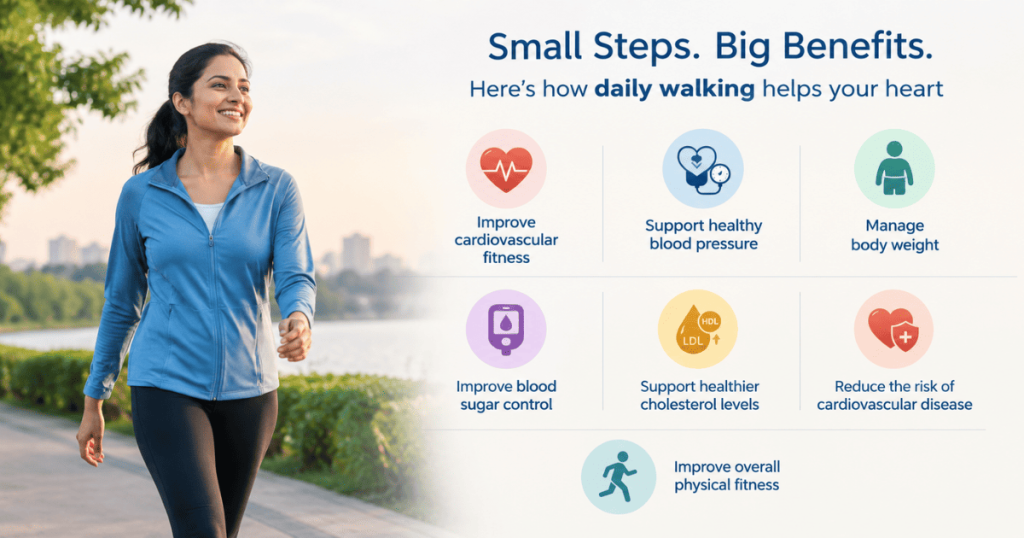
Physical activity is one of the most reliable non-prescription tools available for improving your lipid profile.
While regular exercise has a modest effect on lowering LDL directly, it plays a massive role in raising protective HDL and lowering triglycerides. Aerobic movement stimulates the enzymes that transport LDL away from your bloodstream and back to your liver for processing.
Simple Rules for Daily Activity:
- Aim for at least 150 minutes of moderate exercise per week (e.g., 30 minutes of brisk walking, swimming, cycling, or dancing, 5 days a week).
- Add strength training twice a week to build muscle mass, which improves overall metabolic health.
- Break up long hours of sitting with short movement breaks or brief walks after meals.
When it comes to body weight, drastic weight loss isn’t required to see clinical improvements. Losing just 5% to 10% of your total body weight can significantly improve your lipid panel, blood pressure, and blood sugar levels.
When Are Lifestyle Changes Not Enough?
There is a common, damaging myth that needing medication for high cholesterol means you have “failed” at healthy living. This is completely false.
Because your liver naturally manufactures the majority of your body’s cholesterol, your genetics set a biological baseline that diet and exercise alone cannot always override. If your liver is genetically programmed to overproduce LDL or lacks enough receptors to clear it, even a clean lifestyle might only lower your LDL by 10% to 15%.
Common Medical Interventions
When healthy habits fall short of your health targets, medical options are available:
- Statins: The most proven class of cholesterol-lowering drugs. Statins block an enzyme in the liver needed to make cholesterol, forcing the liver to pull extra LDL out of your blood. They also help stabilize existing arterial plaque.
- Ezetimibe: A daily pill that blocks cholesterol absorption in your small intestine.
- PCSK9 Inhibitors: An advanced class of injectable treatments that dramatically boost the liver’s ability to clear LDL from circulation.
Taking prescribed medication is not a substitute for healthy living—medication and daily habits work best together as partner tools to protect your heart.
Common Misconceptions About Cholesterol
- Myth 1: “Slim people don’t get high cholesterol.”
- Fact: Body size does not determine cholesterol. Lean individuals can carry genetic predispositions or dietary habits that cause high LDL levels.
- Myth 2: “Eggs are terrible for your heart and should be completely avoided.”
- Fact: Saturated fats and trans fats raise blood LDL far more than dietary cholesterol in egg yolks. Whole eggs can be part of a balanced diet for most people.
- Myth 3: “If I feel energetic, my cholesterol must be fine.”
- Fact: High cholesterol produces no early physical symptoms. Regular lab work is the only way to check your baseline.
- Myth 4: “Once my numbers drop, I can stop my healthy habits or medication.”
- Fact: Your numbers improved because of those interventions. Stopping them will usually cause your lipid levels to return to their original baseline.
FAQs
Can you feel any physical symptoms if your cholesterol is high?
No, high cholesterol almost never causes noticeable symptoms in its early stages. The only accurate way to know your cholesterol levels is by getting a routine blood test called a lipid panel.
Are eggs completely off-limits if you are watching your cholesterol?
Not necessarily. Research shows that saturated fats and trans fats have a far bigger impact on blood cholesterol than the dietary cholesterol found in egg yolks.
Can a thin person who exercises regularly still have high cholesterol?
Yes, body weight is only one factor; genetics, age, and liver function play massive roles in how your body processes fats.
How long does it take to lower cholesterol through diet and exercise?
Most people begin to see noticeable improvements in their blood test numbers after about 6 to 8 weeks of consistent lifestyle adjustments.
Will taking cholesterol medication mean I can stop eating healthy?
No, medication and healthy daily choices work best as complementary tools to protect your blood vessels and lower overall cardiovascular risk.