
Cancer changes life in ways that are difficult to explain until someone experiences it firsthand. The day treatment ends is often imagined as a finish line, a moment of celebration when everything returns to normal. However, many cancer survivors discover that recovery is not simply about completing chemotherapy, radiation, surgery, or other treatments. Instead, it marks the beginning of a new chapter filled with physical, emotional, and personal adjustments.
Life after cancer can be rewarding, challenging, and transformative all at the same time. Survivors often gain a deeper appreciation for life, relationships, and personal goals. Yet they may also face ongoing health concerns, emotional stress, and uncertainty about the future. Understanding what comes next can help survivors move forward with confidence and hope.
Understanding Cancer Survivorship
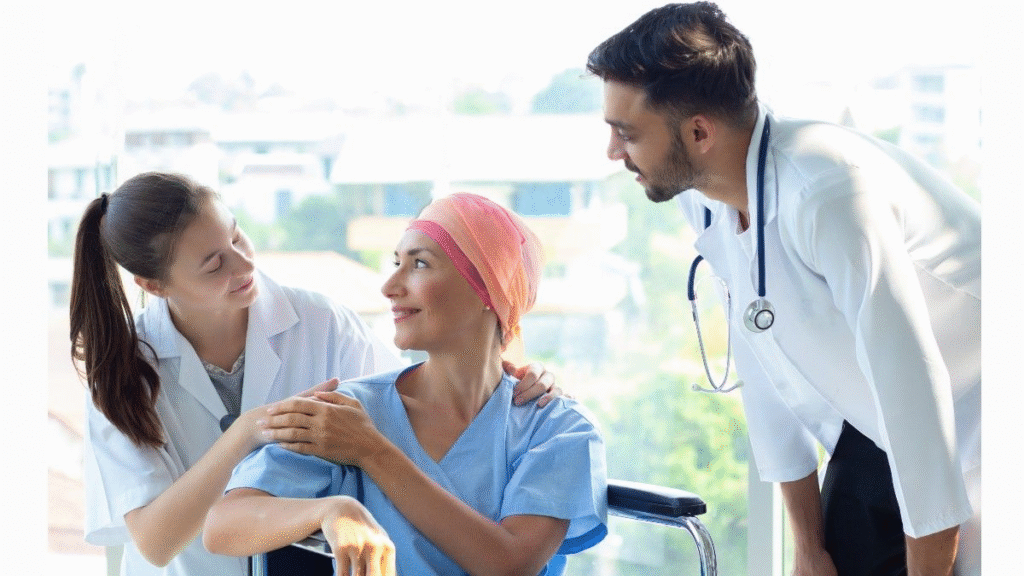
Being a cancer survivor begins from the moment of diagnosis and continues throughout life. While the term survivor is often associated with people who have completed treatment, survivorship encompasses every stage of the cancer journey.
After treatment, many survivors expect to feel immediate relief and happiness. While these emotions are common, they are often accompanied by fear, anxiety, and confusion. Some people wonder if the cancer will return. Others struggle to adjust to life without the frequent support and monitoring of their healthcare team.
Every survivor’s experience is unique. Some recover quickly and return to their normal routines, while others need months or years to regain their physical strength and emotional balance. There is no right or wrong way to navigate life after cancer.
The Physical Recovery Process
The body requires time to heal after cancer treatment. Even when treatment is successful, side effects can linger long after the final appointment.
Fatigue is one of the most common challenges survivors face. Unlike ordinary tiredness, cancer-related fatigue can feel overwhelming and may not improve with rest alone. Many survivors discover that rebuilding energy levels requires patience, regular physical activity, proper nutrition, and adequate sleep.
Some treatments may cause long-term changes in physical function. Surgery can leave scars and affect mobility. Chemotherapy may result in nerve damage, while radiation can lead to tissue stiffness or discomfort. These effects vary from person to person and depend on the type of cancer and treatment received.
Regular medical follow-up plays an important role in monitoring recovery. Healthcare providers can identify and manage lingering side effects while ensuring that survivors remain healthy in the years ahead.
Managing the Fear of Recurrence

One of the most common emotional challenges after cancer is the fear that the disease might return. Even years after successful treatment, survivors may experience anxiety before medical appointments, scans, or routine checkups.
This fear is natural. Cancer is a life-altering experience, and uncertainty about the future can be difficult to accept. Many survivors find comfort in focusing on what they can control, such as maintaining a healthy lifestyle, attending follow-up appointments, and staying informed about their health.
Support groups, counseling, and open conversations with loved ones can also help reduce anxiety. Learning to manage these fears allows survivors to focus more fully on living their lives rather than constantly worrying about what may happen in the future.
Rebuilding Emotional Health
Cancer affects more than the body. It can have a significant impact on emotional well-being. Feelings of sadness, anxiety, anger, frustration, and loneliness are common among survivors.
Some people experience depression after treatment ends. During active treatment, there is often a clear focus and schedule. Once treatment is completed, survivors may feel uncertain about what comes next. The transition can be surprisingly difficult.
Seeking professional support is a sign of strength, not weakness. Mental health professionals can provide valuable tools for managing emotions and developing healthy coping strategies. Mindfulness practices, meditation, journaling, and stress management techniques can also contribute to emotional recovery.
Healing emotionally takes time, and survivors should allow themselves the space to process their experiences without judgment.
The Importance of Healthy Nutrition
Nutrition plays a vital role in life after cancer. A balanced diet can support recovery, improve energy levels, strengthen the immune system, and reduce the risk of other health conditions.
Many survivors choose to focus on whole foods such as fruits, vegetables, lean proteins, whole grains, and healthy fats. Hydration is equally important, as water helps support overall health and recovery.
It is important to remember that there is no single “cancer survivor diet.” Nutritional needs vary depending on the individual’s health history, treatment experiences, and personal preferences. Consulting with a registered dietitian can help survivors create a sustainable eating plan that supports long-term wellness.
Rather than seeking miracle foods or restrictive diets, survivors benefit most from balanced, consistent eating habits that promote overall health.
Exercise and Physical Activity After Cancer
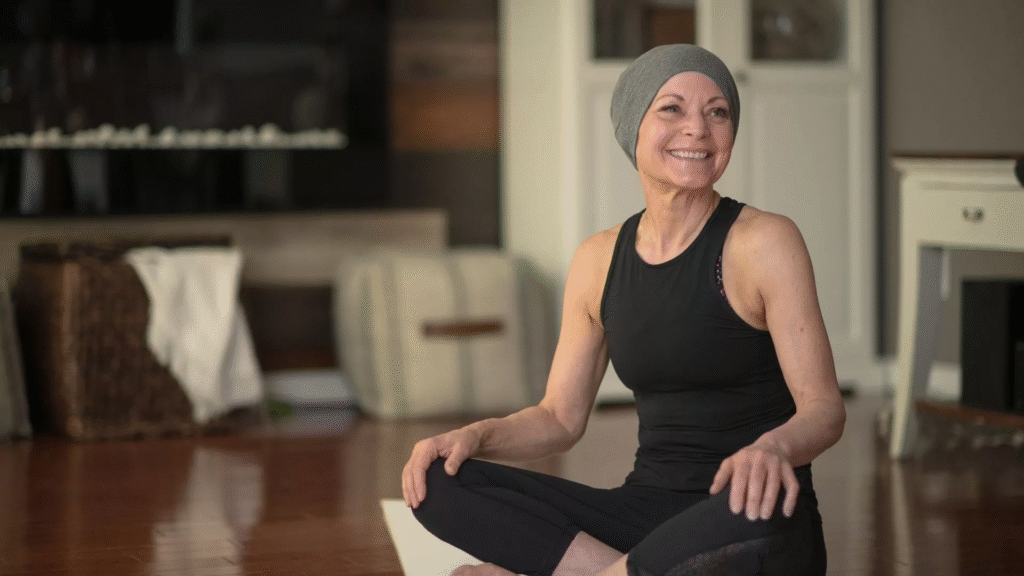
Regular physical activity can significantly improve quality of life for cancer survivors. Exercise helps rebuild strength, improve cardiovascular health, reduce fatigue, and support emotional well-being.
Many survivors are surprised to learn that even gentle activities such as walking, stretching, or yoga can make a meaningful difference. Physical activity releases endorphins, which can improve mood and reduce stress.
The key is to start gradually and listen to the body’s signals. Some survivors may need to work with physical therapists or exercise specialists to develop safe and effective fitness routines.
Over time, regular movement can help survivors regain confidence in their bodies and restore a sense of normalcy.
Strengthening Relationships After Cancer
Cancer often changes relationships with family members, friends, and partners. Some relationships become stronger through shared experiences, while others may face new challenges.
Loved ones may expect survivors to return immediately to their previous routines, not realizing that recovery continues long after treatment ends. Survivors themselves may have different priorities and perspectives after facing a life-threatening illness.
Open communication is essential. Honest conversations about emotions, expectations, and needs can help strengthen relationships and reduce misunderstandings.
Many survivors report developing deeper connections with people who supported them during their cancer journey. These relationships often become valuable sources of encouragement and strength.
Returning to Work and Daily Life
For many survivors, returning to work represents an important milestone. It can provide a sense of purpose, routine, and financial stability. However, returning to professional responsibilities after cancer is not always easy.
Some survivors may experience ongoing fatigue, concentration difficulties, or physical limitations. Adjusting work schedules or requesting accommodations may be necessary during the transition period.
Employers and coworkers often want to be supportive but may not fully understand the challenges survivors face. Clear communication can help create a smoother return-to-work experience.
Outside of work, survivors may also need time to adjust to social activities, household responsibilities, and everyday routines. Patience and self-compassion are important during this process.
Finding Meaning and Purpose
Many cancer survivors describe a shift in perspective after treatment. Facing a serious illness often leads people to reevaluate their priorities and consider what matters most in life.
Some survivors pursue new careers, hobbies, or volunteer opportunities. Others focus on spending more time with family, traveling, or supporting cancer-related causes.
This search for meaning can be an important part of emotional healing. It allows survivors to move beyond simply surviving and begin thriving.
The experience of cancer often reveals personal strengths that individuals never knew they possessed. Recognizing and embracing these strengths can lead to a renewed sense of purpose and fulfillment.
Long-Term Health Monitoring

Even after treatment ends, ongoing medical care remains essential. Follow-up appointments help healthcare providers monitor for recurrence, manage long-term side effects, and address any new health concerns.
Survivors should maintain regular communication with their healthcare teams and follow recommended screening schedules. Keeping detailed medical records can also be helpful when consulting different specialists.
Preventive healthcare becomes increasingly important after cancer. Routine screenings, vaccinations, and healthy lifestyle choices contribute to long-term well-being and overall quality of life.
Taking an active role in healthcare empowers survivors and supports better outcomes over time.
Building a Positive Future
Life after cancer is rarely identical to life before cancer. However, different does not mean worse. Many survivors discover new strengths, deeper relationships, and greater appreciation for everyday experiences.
The journey may include challenges, setbacks, and moments of uncertainty. Yet it can also bring growth, resilience, and hope. Recovery is not measured solely by physical health but by the ability to create a meaningful and fulfilling life.
Every survivor’s path is unique. By focusing on health, emotional well-being, supportive relationships, and personal goals, cancer survivors can continue moving forward with confidence and optimism.
Cancer may become part of a person’s story, but it does not define their entire future. Life after cancer is about embracing possibilities, celebrating progress, and recognizing the strength that comes from overcoming one of life’s greatest challenges.
FAQs
1.What does it mean to be a cancer survivor?
A cancer survivor is anyone who has been diagnosed with cancer, from the time of diagnosis through the remainder of their life. The term includes people currently undergoing treatment as well as those who have completed treatment.
2.Is it normal to feel anxious after cancer treatment?
Yes. Many survivors experience anxiety, particularly regarding the possibility of recurrence. These feelings are common and can often be managed through counseling, support groups, mindfulness practices, and regular medical follow-up.
3.How long does recovery take after cancer treatment?
Recovery varies greatly depending on the type of cancer, treatment received, age, and overall health. Some individuals recover within a few months, while others may continue healing for several years.
4.Can exercise help cancer survivors?
Yes. Regular physical activity can improve energy levels, reduce fatigue, strengthen muscles, support heart health, and enhance emotional well-being. Survivors should consult their healthcare provider before starting a new exercise program.
5.What foods should cancer survivors eat?
A balanced diet rich in fruits, vegetables, whole grains, lean proteins, and healthy fats is generally recommended. Nutritional needs vary, so personalized guidance from a dietitian can be beneficial.