
Let’s be real for a minute: modern fitness culture often feels less like self-care and more like an unpaid, high-stress job. Open any app, and you’re instantly buried under a mountain of rigid rules—wake up before the sun, submerge yourself in an ice tub, chug a $12 green smoothie, lift heavy for two hours, and obsessively weigh every leaf of spinach on a digital scale.
If you’re balancing a full-time job, family obligations, bills, and everyday life, that level of extreme discipline isn’t inspiring—it’s totally exhausting and impossible to keep up.
Real, long-term health doesn’t require living like a pro athlete. It comes down to low-friction, practical habits that fold smoothly into your actual daily life. Taking care of your body shouldn’t feel like a punishment; it should be the energy source that lets you live well.
1. Stop Forcing Hard Workouts: Just Keep Moving

The single biggest mistake people make when trying to “get healthy” is signing up for a brutal routine they secretly dread. They commit to six days of intense exercise, end up painfully sore by Wednesday, and throw in the towel by week two.
Physical activity needs to work with your life, not constantly fight against it. If you hate running, forcing yourself onto a treadmill is a express route to mental burnout.
Why Walking Is the Ultimate Health Hack
Walking is arguably the most underrated physical tool on the planet. It costs nothing, puts minimal stress on your joints, helps lower blood sugar after meals, and gets you away from screens for a bit.
- Post-Meal Walks: Stepping out for a quick 10-minute walk after lunch or dinner aids digestion and heads off that mid-afternoon slump.
- Movement During Transit: Park a bit further away, take the stairs, or pace around the room while taking phone calls.
- Morning Sun Exposure: Stepping outside shortly after waking up exposes your eyes to natural light, signaling your brain to stop producing sleep hormones and waking you up naturally.
Pick Activities You Actually Enjoy
If something gets your heart rate up and moves your muscles, it counts. Playing tennis, riding a bike, swimming, dancing around the kitchen, or doing a brief bodyweight routine in the living room all offer genuine physical perks.
2. Think of Strength Training as Physical Independence

Cardio protects your heart, but moving against resistance is what protects your physical capacity as you age. Starting in our thirties, we naturally lose muscle mass and bone density over time—a process known as sarcopenia.
When older adults find it tough to stand up from a deep couch or carry groceries without joint strain, it’s rarely just “getting old”—it’s usually a quiet loss of muscle strength. Lifting weights or doing bodyweight movements builds a strong buffer against that decline.
Master Four Basic Movement Patterns
You don’t need a complicated gym routine with twenty different machines. You can cover your whole body using four core patterns:
- Squats (Legs & Hips): Keeps your lower body strong for sitting, standing, and taking stairs with ease.
- Hinges (Glutes & Lower Back): Teaches you to bend through your hips, protecting your spine when lifting heavy things off the floor.
- Pushes (Chest, Shoulders, Triceps): Preserves upper-body pressing power for everyday physical tasks.
- Pulls (Upper Back & Biceps): Strengthens your posture, directly counteracting the hunch caused by hours at a computer.
Aim for two or three 30-minute sessions a week. Focus on clean, controlled form over heavy weight, and gradually increase difficulty as your body adapts.
3. Protect Your Joints with Simple Daily Mobility
Strength without flexibility leaves you feeling stiff and locked up. Sitting in an office chair for eight hours tightens your hip flexors, shortens your hamstrings, and rounds your upper spine. That accumulated tightness is usually why your lower back throbs when bending over to tie your shoes.
Mobility isn’t about extreme flexibility; it’s simply making sure your joints can move through their normal range of motion without pinching or pain.
A 5-Minute Daily Desk Reset
You don’t need an hour-long yoga class to stay nimble. Try dropping these three quick movements into your afternoon:
- The World’s Greatest Stretch: A classic move that opens up your hips, hamstrings, and upper spine all at once.
- Cat-Cow Moves: Flexing and extending your spine gently on all fours releases pressure between your vertebrae.
- Doorway Chest Stretch: Place your forearms against a doorframe and step forward slightly to stretch out tight chest muscles.
4. Rethink Nutrition: Add Good Foods Instead of Banning Everything

Diets built entirely on strict elimination almost always blow up in your face. Deciding that you will “never eat carbs, sugar, or takeout again” causes your brain to fixate on those forbidden foods. The moment a stressful day happens, willpower collapses, guilt kicks in, and overeating follows.
Flip the mindset: stop focusing on what to eliminate and focus on what you can add.
| Nutrient Focus | Great Everyday Options | How It Supports Your Body |
| Protein | Eggs, poultry, fish, tofu, Greek yogurt, lentils | Repairs muscle tissue, keeps you full longer, and balances energy. |
| Fiber | Vegetables, berries, beans, oats, whole grains | Feeds healthy gut bacteria and keeps your digestion running smoothly. |
| Healthy Fats | Extra virgin olive oil, nuts, seeds, avocados | Crucial for normal hormone production and long-lasting meal satisfaction. |
When roughly 80% of your meals come from whole, nutrient-dense ingredients, the remaining 20% can comfortably include pizza with family or drinks with friends without throwing your health off track.
5. Hydration: The Easy Energy Upgrade
A surprising amount of afternoon sluggishness, brain fog, and nagging tension headaches aren’t caused by a lack of coffee—they are classic signs of mild dehydration.
By the time you actively feel thirsty, your body is already running low on fluid. Water keeps joints lubricated, supports digestion, regulates blood pressure, and helps clear out metabolic waste.
Low-Effort Water Habits
- Drink First Thing: Down a large glass of water right after waking up to replace fluids lost overnight through breathing.
- Keep Water Within Reach: Keep a reusable water bottle sitting on your desk or in your car so you sip mindlessly throughout the day.
- Check Your Urine Color: Aim for a pale, straw-like yellow color. Dark yellow signals that it’s time to drink a glass or two.
6. Treat Sleep as Mandatory Recovery Time

We live in a culture that often glorifies burning the candle at both ends. But biologically, sleep is when your body performs essential maintenance work: clearing cellular waste from the brain, repairing muscle tissue, and resetting stress hormones.
Consistently getting less than seven hours of quality sleep leads to real biological trade-offs:
- Hormonal Disruption: Appetite-regulating hormones get thrown out of whack, driving intense cravings for sugary foods and fast carbs.
- Elevated Stress Markers: Cortisol levels stay higher, making physical recovery much harder.
- Reduced Brainpower: Memory, emotional patience, and focus drop significantly.
Simple Steps for Better Rest
- Fix Your Wake-Up Time: Waking up at roughly the same time every morning anchors your body’s circadian rhythm far better than trying to force an early bedtime.
- Cut Out Screens Before Bed: Bright blue light from phones and tablets tricks your brain into thinking it’s daylight, delaying natural melatonin release. Try swapping late-night scrolling for a book.
7. Give Your Nervous System a Break from Constant Stress
Stress isn’t just a mental state; it triggers real biological reactions. When obligations pile up, your body floods with cortisol and adrenaline, raising your heart rate and putting long-term functions like immune repair and digestion on hold.
While you can’t remove every source of stress from adult life, you can give your nervous system opportunities to step down throughout the day.
Practical Stress Resets
- The Physiological Sigh: Take two short inhales through your nose, followed by one long, slow exhale through your mouth. Doing this two or three times immediately slows your heart rate.
- Get Outside: Spending just 10 to 15 minutes walking in a park or sitting near trees lowers baseline stress hormones.
- Unplug During Meals: Put your phone in another room while eating to give your mind a break from constant incoming alerts.
8. Break Up Long Hours of Desk Sitting

Sitting completely still for eight to ten hours straight takes a toll on your cardiovascular health and metabolism, even if you exercised in the morning. Long periods of physical inactivity slow down the enzymes responsible for clearing fats and sugars from your blood.
Easy Hacks for Desk Workers
- The 50/5 Rule: Work for 50 minutes, then stand up and stretch or walk around for 5 minutes.
- Pace During Calls: Take phone calls standing up or walking around your room whenever you don’t need a screen.
- Use Smaller Water Glasses: Refilling a smaller cup forces you to stand up and walk to the kitchen or water cooler more frequently.
9. Don’t Skip Preventive Medical Checks
Good daily habits build a solid foundation, but routine checkups spot quiet biological shifts that lifestyle habits alone might miss.
- Get Annual Bloodwork: Monitoring key markers—like blood glucose, cholesterol, blood pressure, and vitamin levels—helps you spot unwanted trends early so you can address them with minor tweaks.
- Re-evaluate Alcohol and Smoking: Reducing alcohol intake and avoiding nicotine does more for your sleep quality, liver function, and energy levels than almost any supplement available.
The 1-Habit Rule for Lasting Success
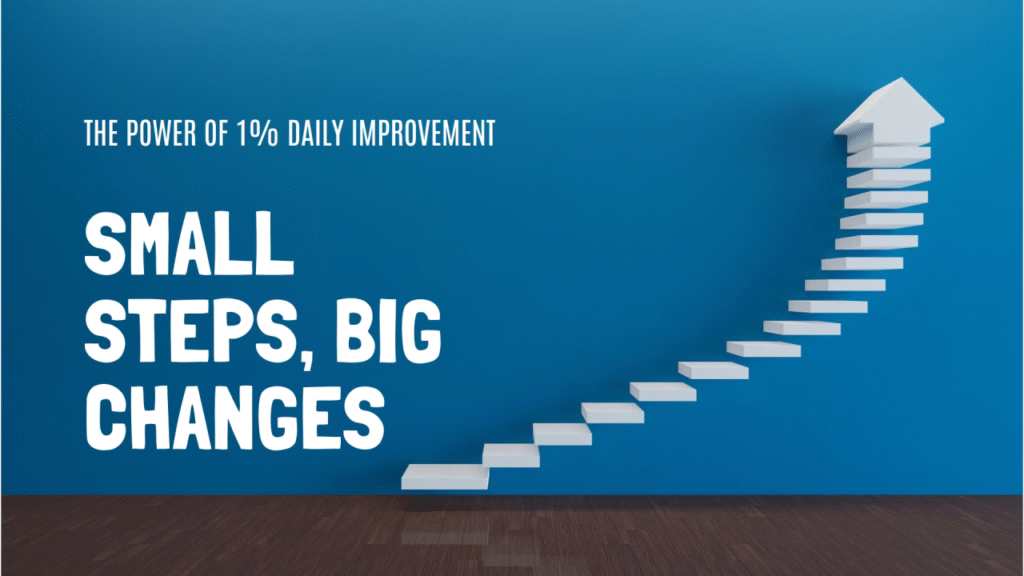
The main reason health overhauls fail is that people try to change everything all at once. They decide to radically transform their diet, start daily workouts, double their water intake, and fix their sleep schedule all starting Monday morning. By Thursday, mental fatigue takes over, and old patterns return.
Real, lasting change happens through small, repeatable wins.
Pick just one habit to focus on this week:
- Option A: “I will go for a 10-minute walk after dinner every evening.”
- Option B: “I will drink one glass of water before my morning coffee.”
Stick with that single habit until it becomes totally automatic. Only then should you pick a second habit to add. Small steps maintained consistently over time will transform your health without burning you out.
FAQs
1. Do I really need 10,000 steps every day?
Nope. That famous 10,000-step target was actually a 1965 Japanese marketing gimmick to sell pedometers—it wasn’t based on medical science.
2. Can I build real muscle at home without heavy weights?
100%. Your muscles can’t tell whether you’re holding an expensive iron dumbbell or just lifting your own body weight—they only feel tension.
3. How do I beat that brutal 3:00 PM energy crash?
It almost always comes down to two silent culprits: slight dehydration or a carb-heavy lunch that spiked your blood sugar and left you crashing two hours later. Try building your mid-day meal around a solid portion of protein and healthy fats instead of heavy refined carbs. When that afternoon brain fog rolls in, drink a full glass of cold water and walk around for five minutes before reaching for another coffee or sugary snack.
4. Is a quick 15-minute workout actually worth my time?
Definitely. Try not to fall into the “all-or-nothing” mental trap that tells you an hour-long gym session is the only thing that counts.
5. Do I really need expensive daily supplements?
For most healthy adults eating a reasonably balanced diet, fancy green powders and multi-vitamins offer very little extra payoff—your body absorbs nutrients far better straight from real food.