
The latest outbreak of Ebola has once again captured global attention, raising concerns among health experts, governments, and ordinary people around the world. Although many believed the world had become better prepared after previous outbreaks, recent developments have shown that Ebola still remains one of the most dangerous infectious diseases known to humanity. News headlines, public health updates, and discussions across social media have created both awareness and anxiety, making it important to understand what is really happening.
Ebola is not a new disease, but every outbreak brings unique challenges. The virus spreads quickly in vulnerable communities, creates fear due to its severe symptoms, and places enormous pressure on healthcare systems. At the same time, modern medical research and improved emergency response strategies have significantly increased the world’s ability to control outbreaks compared to the past.
Understanding the latest Ebola outbreak requires more than simply reading alarming headlines. People want to know how the virus spreads, what symptoms to watch for, whether vaccines are effective, and how health organizations are responding. Accurate information is essential because misinformation often spreads faster than the virus itself.
In 2026, global health agencies continue monitoring Ebola carefully while researchers work to improve treatments and prevention methods. Although the situation remains serious, experts emphasize that awareness, rapid medical action, and public cooperation can greatly reduce the risk of widespread transmission.
What Is Ebola?
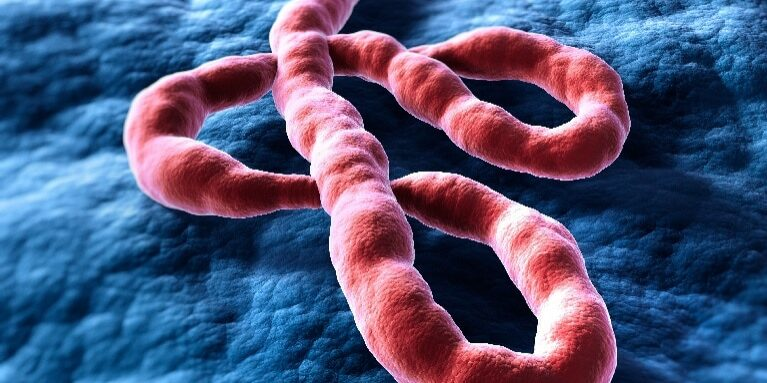
Ebola is a severe viral illness that affects humans and some animals. The disease is caused by the Ebola virus, which belongs to a family of viruses known for causing hemorrhagic fevers. Ebola became internationally recognized after major outbreaks in parts of Africa, where thousands of lives were affected.
The virus attacks the body aggressively, damaging the immune system and various organs. In severe cases, Ebola can lead to internal bleeding, organ failure, and death if medical treatment is not provided quickly. However, survival rates have improved over the years because of better healthcare responses and early diagnosis.
One of the reasons Ebola creates widespread fear is the intensity of its symptoms and the speed at which conditions can worsen. During outbreaks, healthcare workers often face enormous risks because the virus spreads through direct contact with infected bodily fluids.
Despite its reputation, experts explain that Ebola is not as easily transmitted as common illnesses like the flu or cold. It generally requires close physical contact with infected individuals or contaminated materials. This means outbreaks can often be controlled through proper safety measures and quick public health responses.
How the Latest Ebola Outbreak Started
The latest Ebola outbreak reportedly began in a region where healthcare access and disease monitoring remain limited. Initial cases may have gone unnoticed because early symptoms often resemble common illnesses such as fever, fatigue, or stomach infections.
Health officials became alarmed when multiple patients developed severe symptoms linked to Ebola. Laboratory testing later confirmed the presence of the virus, prompting emergency responses from local governments and international health organizations.
As with previous outbreaks, tracking the exact origin of the virus can be difficult. Scientists believe Ebola outbreaks sometimes begin after humans come into contact with infected animals, particularly in forested areas where wildlife interactions are more common.
Once the virus enters communities, close family contact and traditional caregiving practices can unintentionally contribute to transmission. Hospitals without adequate protective equipment may also face challenges in containing infections during the early stages of an outbreak.
The latest outbreak has highlighted the importance of rapid detection systems. Health experts stress that identifying cases early can dramatically reduce the spread and improve survival rates.
Symptoms of Ebola
The symptoms of Ebola can appear suddenly and usually begin within several days after exposure to the virus. Early signs often include fever, severe weakness, headaches, muscle pain, and sore throat.
As the disease progresses, patients may experience vomiting, diarrhea, stomach pain, and extreme dehydration. In more severe cases, internal and external bleeding may occur, although not every patient experiences visible bleeding.
One challenge during outbreaks is that early Ebola symptoms can resemble many other illnesses. This sometimes delays diagnosis and increases the risk of transmission within communities.
Doctors emphasize that anyone who develops symptoms after exposure to infected individuals should seek immediate medical attention. Early supportive treatment significantly increases the chances of recovery.
The latest outbreak has also reminded the world how important community education is. When people understand symptoms and know when to seek help, health authorities can respond faster and reduce the spread of infection.
How Ebola Spreads
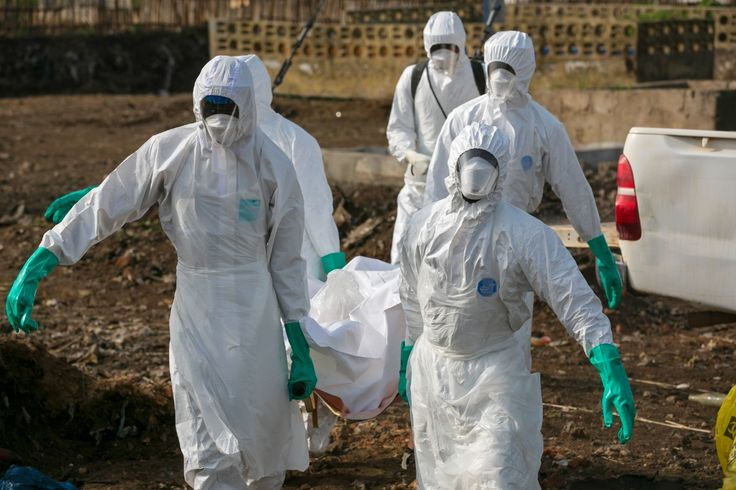
Many people fear that Ebola spreads through the air like some respiratory diseases, but health experts clarify that the virus primarily spreads through direct contact with infected bodily fluids. Blood, sweat, saliva, vomit, urine, and other fluids can carry the virus if a person is infected.
Transmission often occurs when family members care for sick relatives without protective equipment. Healthcare workers are also at risk if proper safety measures are not followed.
Another important factor involves contaminated surfaces and medical tools. Needles, bedding, and clothing exposed to infected fluids can contribute to transmission if not handled carefully.
Traditional burial practices have also played a role in previous outbreaks because close physical contact with infected bodies can spread the virus. Public health organizations now work closely with local communities to create safer burial procedures while respecting cultural traditions.
The latest outbreak has shown that public awareness remains one of the strongest tools for preventing transmission. Communities that receive accurate health information tend to respond more effectively and cooperate better with medical teams.
Global Response to the Outbreak
The international response to the latest Ebola outbreak has been rapid compared to earlier years. Organizations such as World Health Organization and other global health agencies immediately began supporting local authorities once cases were confirmed.
Medical teams were deployed to affected areas to provide treatment, improve testing capabilities, and educate communities about prevention methods. Emergency funding was also directed toward healthcare infrastructure and protective equipment.
One major improvement compared to earlier outbreaks is the availability of vaccines and antiviral treatments. While challenges remain, modern medicine has given health workers more tools to control Ebola than ever before.
Travel monitoring and screening procedures have also increased in some regions. However, experts warn against panic or discrimination toward affected communities, emphasizing that cooperation and science-based strategies are the most effective responses.
Governments worldwide continue monitoring developments carefully because outbreaks can impact international travel, trade, and public confidence.
Advances in Ebola Vaccines and Treatment
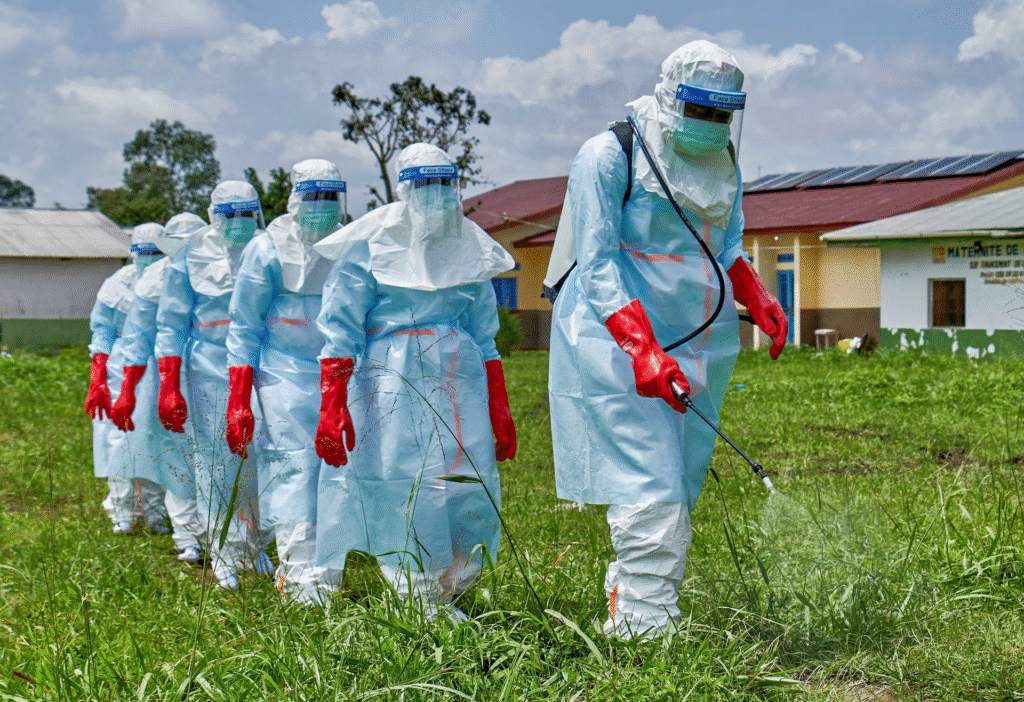
One of the most hopeful developments in recent years has been the progress made in Ebola vaccines and treatments. During earlier outbreaks, doctors had limited medical options, but today several vaccines have shown strong effectiveness in preventing infection.
Vaccination campaigns during outbreaks help protect healthcare workers and individuals who may have been exposed to infected patients. These targeted vaccination strategies have become an important tool in controlling transmission.
Researchers have also developed antiviral treatments that improve survival rates when administered early. Supportive hospital care, including hydration and management of complications, remains extremely important for patient recovery.
The latest outbreak demonstrates how scientific progress can save lives. Although Ebola remains dangerous, modern healthcare systems are much better equipped to fight the virus than they were a decade ago.
Experts continue studying the virus to create even more effective vaccines and faster diagnostic methods. Continued investment in research is considered essential for preventing future global health emergencies.
Impact on Communities
Beyond the medical crisis, Ebola outbreaks deeply affect communities emotionally, socially, and economically. Fear of infection can disrupt schools, workplaces, businesses, and transportation systems.
Families often experience emotional trauma after losing loved ones or facing isolation during treatment periods. Healthcare workers may also struggle with stress and exhaustion while responding to emergencies.
The latest outbreak has once again highlighted inequalities in healthcare access around the world. Communities with limited hospitals, poor sanitation, and inadequate medical resources face greater challenges during infectious disease outbreaks.
At the same time, many communities demonstrate remarkable resilience during crises. Volunteers, local leaders, and healthcare professionals often work tirelessly to support affected families and spread awareness.
International support plays a major role in helping regions recover after outbreaks are controlled. Long-term healthcare investment remains essential for strengthening preparedness against future emergencies.
Misinformation and Public Fear
Whenever major disease outbreaks occur, misinformation spreads rapidly online. Rumors, conspiracy theories, and false treatments can create unnecessary panic and sometimes make outbreaks harder to control.
The latest Ebola outbreak has generated significant social media discussion, some of which includes inaccurate claims about vaccines, transmission methods, or government responses. Health experts strongly encourage people to rely on trusted medical organizations for accurate information.
Fear itself can become a major challenge during outbreaks. Panic may discourage people from seeking medical care or cooperating with health authorities. This is why transparent communication and public education are critical.
Medical professionals emphasize that awareness should not turn into hysteria. Understanding the facts about Ebola helps communities stay calm and make informed decisions about safety and health.
Can Ebola Become a Global Pandemic?
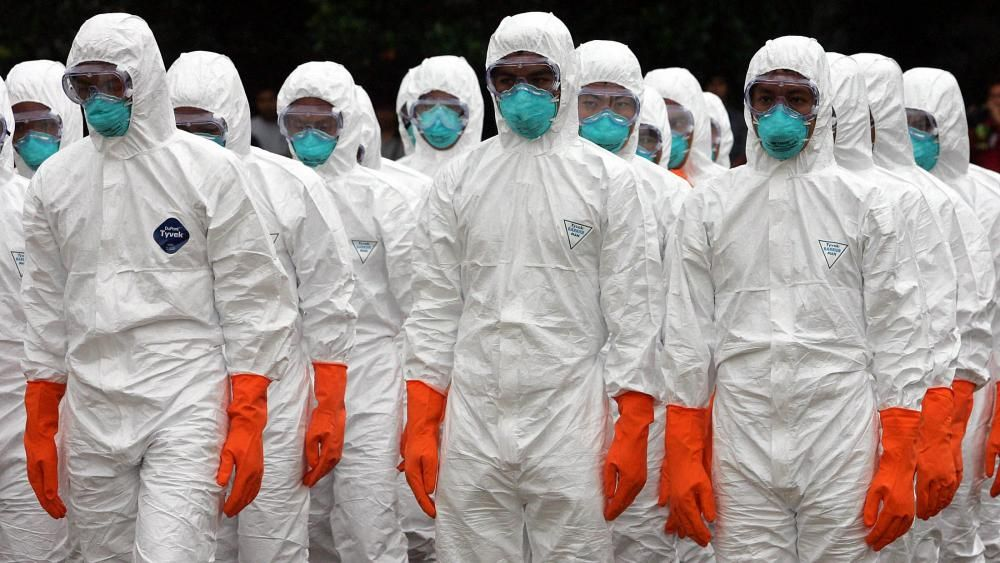
Many people wonder whether Ebola could become a worldwide pandemic similar to other major infectious diseases. Experts generally explain that Ebola spreads differently from airborne viruses, making global transmission less likely.
Because Ebola requires close physical contact for transmission, outbreaks are usually more localized and easier to contain when proper public health measures are implemented quickly.
However, globalization and international travel still create risks if outbreaks are not controlled early. This is why global cooperation and rapid response systems remain extremely important.
The latest outbreak serves as a reminder that infectious diseases can emerge unexpectedly, and preparedness must remain a global priority. Strong healthcare systems, international communication, and scientific research all play vital roles in protecting public health.
The Importance of Public Awareness
Public awareness is one of the most effective weapons against Ebola. When people understand how the virus spreads and recognize symptoms early, outbreaks become easier to manage.
Educational campaigns help communities adopt safer hygiene practices and reduce risky behaviors. Trust between healthcare workers and local populations is also essential for successful outbreak control.
The latest Ebola outbreak has shown that communication matters just as much as medical treatment. Accurate information can save lives by encouraging faster medical intervention and reducing fear-driven decisions.
Individuals can contribute by staying informed, avoiding misinformation, and supporting science-based health guidance. Responsible communication during health emergencies benefits everyone.
FAQs
1.What is Ebola?
Ebola is a severe viral illness that can cause fever, weakness, organ damage, and sometimes internal bleeding.
2.How does Ebola spread?
Ebola spreads through direct contact with infected bodily fluids such as blood, saliva, sweat, vomit, or contaminated objects.
3.What are the first symptoms of Ebola?
Early symptoms usually include fever, fatigue, headaches, muscle pain, and sore throat.
4.Is there a vaccine for Ebola?
Yes, several vaccines have been developed and are used during outbreaks to help prevent transmission.
5.Can Ebola be treated?
There is no simple cure, but supportive hospital care and antiviral treatments can improve survival rates significantly.
- The Ultimate Guide to Ordering Fresh Groceries Online

- Who Is Audrey Leishman? The Woman Behind a Powerful Recovery Journey

- Life After Cancer: A Complete Guide for Cancer Survivors
- Donald Trump’s Health in the Spotlight: Separating Fact from Rumor

- Best Easy Food Recipes to Make at Home in 2026

- Top Relationship Tips for Happy and Successful Couples