
Ice cream is one of those comfort foods people rarely think twice about. Whether it’s a family dessert after dinner, a weekend treat, or a favorite organic brand sitting in the freezer, consumers expect it to be safe. That is why the recent recall involving Straus Family Creamery has caught so much attention across the United States. Many people who regularly buy organic dairy products are now asking the same question: Is Straus ice cream safe to eat?
The concern began after the U.S. Food and Drug Administration announced a recall involving select Straus Family Creamery organic ice cream products due to the possible presence of foreign material, specifically metal fragments. While recalls are not uncommon in the food industry, any contamination involving sharp objects immediately raises concerns because of the potential health risks involved.
For customers who trust organic food brands for quality and safety, the news came as a surprise. Straus Family Creamery has built a reputation for premium organic dairy products and environmentally conscious farming practices. The company has long been known for its commitment to sustainable agriculture, organic ingredients, and high-quality ice cream. Because of that strong reputation, the FDA recall has become a major topic among shoppers, food safety experts, and news outlets.
Understanding what happened, which products are affected, and what consumers should do next is important for anyone who may have purchased these ice cream products recently. The recall also highlights how food safety systems work in the United States and why quick action matters when contamination risks are discovered.
What Triggered the Straus Ice Cream Recall?

The recall was initiated after concerns emerged about possible metal fragment contamination in select ice cream products produced by Straus Family Creamery. According to FDA reports, the issue was discovered during production and quality control processes. Once the potential contamination risk was identified, the company voluntarily recalled the affected products as a precautionary measure.
Metal contamination can happen in food manufacturing when equipment parts become damaged or worn during processing. Small fragments may accidentally enter food products if machinery malfunctions or if inspections fail to detect the issue immediately. Even tiny metal pieces can pose serious health risks if consumed, including cuts, choking hazards, or internal injuries.
Food recalls like this are often voluntary because companies choose to act quickly before larger public health issues develop. In this case, Straus Family Creamery worked with the FDA to notify consumers and remove potentially affected products from stores.
The recall demonstrates how food safety systems are designed to protect the public. While hearing about contamination is alarming, the fact that the issue was identified and addressed before widespread injuries occurred also shows the importance of monitoring and inspection systems within the food industry.
Which Straus Ice Cream Products Were Affected?
The recall specifically involves select flavors and batches of Straus Family Creamery organic ice cream products distributed across multiple states. Consumers were advised to carefully check packaging information, including lot codes and expiration dates, to determine whether their products were included in the recall.
The recalled products were reportedly sold in retail stores, grocery chains, and specialty markets in several states. Because Straus products are especially popular among consumers looking for organic and premium dairy options, many households may already have these items stored in their freezers.
One reason recalls become confusing for shoppers is that not every product from the company is necessarily unsafe. Often, only specific production runs or batches are affected. This means consumers need to pay close attention to the details provided by the FDA and the manufacturer rather than assuming all products are included.
Customers who purchased Straus ice cream recently are encouraged to compare their packaging information with official recall notices. If a product matches the recalled batch details, it should not be consumed.
Is Straus Ice Cream Safe to Eat Right Now?
The biggest concern for consumers is whether Straus ice cream products currently on store shelves are safe. The answer depends on whether the product belongs to the recalled batch.
Products included in the FDA recall should not be eaten under any circumstances. Even if the ice cream looks normal, contamination involving metal fragments may not always be visible. Some particles could be small enough to avoid detection by consumers.
However, products outside the affected recall batches are generally considered safe based on available information. Food recalls are usually targeted to specific production periods rather than an entire brand line. Straus Family Creamery and the FDA continue monitoring the situation to ensure that unsafe products are removed from circulation.
For cautious consumers, checking official recall information remains the safest option. If there is any uncertainty about a product, contacting the retailer or the company directly can help clarify whether it is part of the recall.
Health Risks Associated With Metal Contamination
Foreign material contamination is taken very seriously in the food industry because it can lead to injuries. Metal fragments, in particular, can create several health risks depending on their size and sharpness.
If swallowed, metal pieces may cause cuts or tears in the mouth, throat, stomach, or digestive tract. In severe cases, surgery may be required to remove the object or repair internal damage. Smaller fragments can also pose choking hazards, especially for children.
Symptoms after consuming contaminated food may include pain while swallowing, stomach discomfort, nausea, vomiting, or unusual bleeding. Anyone experiencing these symptoms after eating recalled ice cream should seek medical attention immediately.
Fortunately, many recalls are announced before widespread injuries occur. In the Straus recall case, the action appears to have been precautionary to prevent possible harm to consumers.
How Food Recalls Work in the United States
Food recalls can seem frightening, but they are actually part of an important consumer protection system. In the United States, companies and regulatory agencies work together to identify potential risks quickly and remove dangerous products from the market.
When a contamination issue is discovered, manufacturers often begin internal investigations to determine the cause. If there is any possibility that consumers may be harmed, a recall is announced publicly. The FDA then monitors the recall process to ensure affected products are removed from stores and consumers are informed.
There are different classes of recalls depending on the severity of the health risk. Products involving potential injury risks, such as metal fragments, are treated with high priority because they can cause physical harm.
Retailers are usually instructed to remove recalled products from shelves immediately. Consumers who purchased the products may be eligible for refunds or replacements depending on store policies.
The recall process may seem disruptive, but it plays a critical role in protecting public health and maintaining trust in the food supply chain.
Why Organic Brands Are Not Immune to Recalls
Many consumers associate organic products with higher safety standards, but organic certification does not eliminate the possibility of contamination. Organic labels primarily focus on farming practices, ingredient sourcing, and restrictions on synthetic chemicals or pesticides.
Manufacturing equipment, packaging systems, and production lines can still experience mechanical failures regardless of whether a product is organic or conventional. This means even respected organic brands can face recalls if quality control problems arise.
The Straus recall serves as a reminder that no food company is completely immune to production issues. What matters most is how quickly the company responds, how transparent it is with consumers, and how effectively it resolves the issue.
Many food safety experts note that rapid voluntary recalls often indicate that monitoring systems are functioning properly rather than being ignored.
Consumer Reactions to the Recall
News about the Straus recall quickly spread online, especially among consumers who regularly buy organic dairy products. Social media platforms filled with discussions from worried customers checking freezer inventories and sharing recall information with friends and family.
Some consumers expressed disappointment because Straus Family Creamery has long been viewed as a trusted premium brand. Others appreciated the company’s decision to act quickly and cooperate with the FDA once the issue was identified.
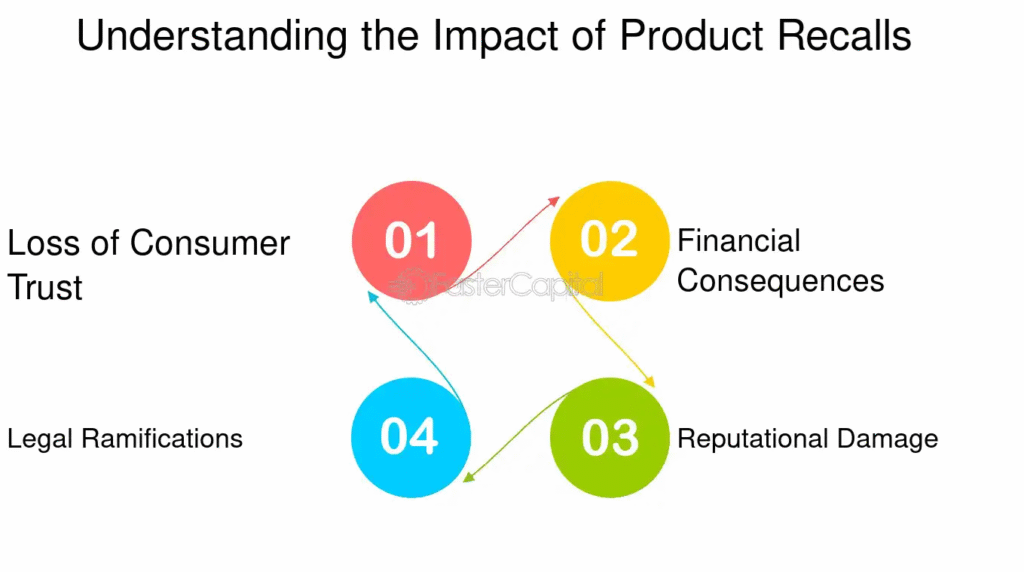
Food recalls can sometimes damage public confidence temporarily, especially when they involve beloved household brands. However, transparency and prompt communication often help companies rebuild trust over time.
For many shoppers, the recall also raised broader questions about food safety, manufacturing oversight, and the hidden risks that can occur even in premium products.
What Consumers Should Do Next
Anyone who purchased Straus Family Creamery ice cream recently should carefully review official recall announcements and compare them with the packaging in their freezer. If a product matches the affected lot numbers or production details, it should be discarded or returned to the retailer.
Consumers should avoid tasting or testing recalled products even if they appear normal. Physical contaminants may not always be easy to see.
People who believe they may have consumed contaminated ice cream and experience symptoms should contact a healthcare professional immediately.
It is also a good idea for consumers to stay informed about future FDA food recalls. Food safety alerts are regularly updated online and can help households respond quickly when products are removed from the market.
The Importance of Food Safety Transparency

One positive aspect of modern food safety systems is the increasing level of transparency surrounding recalls. Companies are now expected to communicate openly with consumers and regulators when problems arise.
Public recall notices provide detailed information about affected products, potential risks, and consumer instructions. This transparency allows people to make informed decisions about the products they bring into their homes.
The Straus recall also highlights how seriously contamination concerns are treated in today’s food industry. Even the possibility of metal fragments is enough to trigger widespread action because consumer safety must come first.
While recalls can be unsettling, they are also evidence that monitoring systems, inspections, and reporting processes are functioning as intended.
FAQs
1.Why was Straus ice cream recalled?
Straus Family Creamery recalled select organic ice cream products because of possible metal fragment contamination discovered during production processes.
2.What are the risks of eating contaminated ice cream?
Metal fragments can cause cuts, choking hazards, digestive injuries, or internal damage if swallowed.
3.Are all Straus ice cream products affected?
No, the recall only applies to specific flavors and production batches identified in FDA recall notices.
4.What should I do if I bought recalled Straus ice cream?
Consumers should avoid eating the product and either discard it or return it to the retailer for a refund.
5.Can metal contamination be visible in food?
Not always. Some fragments may be too small to notice, which is why recalled products should never be consumed.
- The Ultimate Guide to Ordering Fresh Groceries Online

- Who Is Audrey Leishman? The Woman Behind a Powerful Recovery Journey

- Life After Cancer: A Complete Guide for Cancer Survivors

- Donald Trump’s Health in the Spotlight: Separating Fact from Rumor

- Best Easy Food Recipes to Make at Home in 2026

- Top Relationship Tips for Happy and Successful Couples