
Finding a place to eat nearby sounds easy enough. You open a map app, hit search, and instantly get dozens of pins dropped all over your screen. But actually finding a spot that delivers—great food, a comfortable room, reasonable prices, and dining that doesn’t make you feel like an inconvenience—is a totally different story.
A genuinely great meal isn’t just about refueling your body. It’s about finding a place that fits your exact mood. Whether you need a quick 20-minute lunch, a quiet corner to decompress after work, or a big table that can handle a lively weekend dinner with friends, learning to scout your local food scene is a skill worth having.
Here is a practical, fluff-free look at how to look past sponsored search results, spot real quality, and build your own list of go-to neighborhood food spots.
Why Eating Local Matters More Than You Think
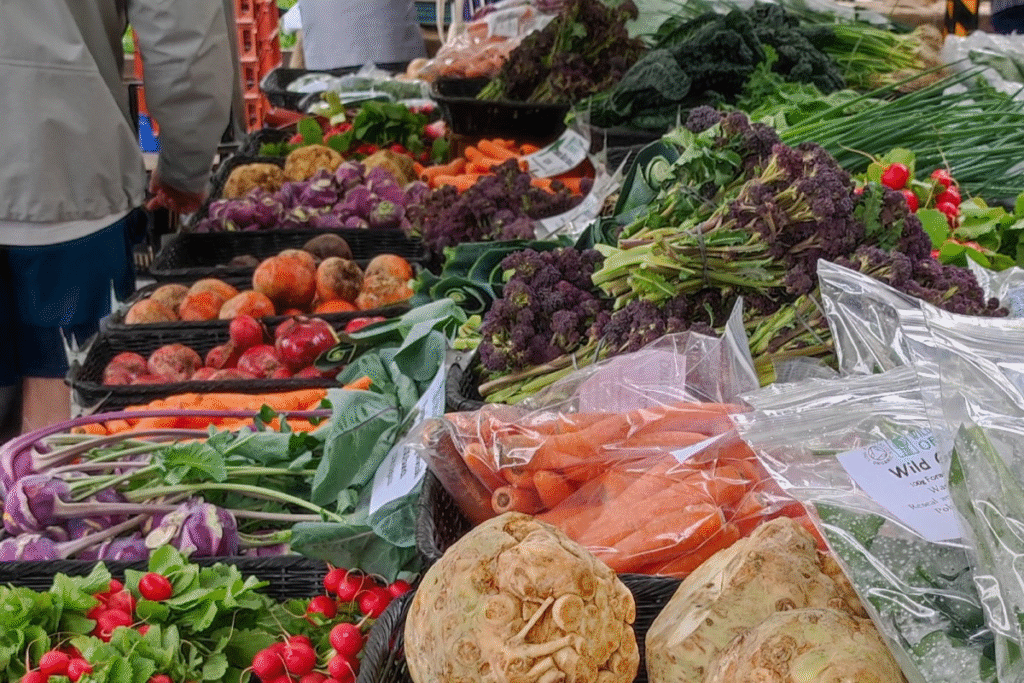
When you’re starving, convenience is everything. Nobody wants to spend 40 minutes sitting in peak-hour traffic just to grab a quick plate of food. Finding reliable spots right in your neighborhood keeps life simple and saves precious time.
Beyond pure convenience, exploring what’s right around the corner brings a few huge perks:
- You discover the real neighborhood hidden gems: The most memorable food rarely comes from massive national chains designed for high-volume consistency. It usually comes from the small family kitchen tucked into a quiet strip mall or the tiny café behind the metro station.
- You get a taste of authentic local character: Neighborhoods have distinct personalities, and their food reflects that. Exploring independent spots lets you try regional specialties, family recipes, and cooking styles you won’t find on a standardized chain menu.
- Your money stays in the community: When you spend money at an independent neighborhood spot, you’re directly supporting local families, local staff, and small-scale regional suppliers.
The Big Problem with Star Ratings
Most people open a review app and immediately apply a filter for “4.5 stars and above.” But relying strictly on star averages is one of the easiest ways to miss out on fantastic local food.
Star ratings are deeply flawed because they compress complex human experiences into a single number:
┌─────────────────────────────────────────────────────────────────────────────┐
│                   WHY STAR RATINGS OFTEN TELL THE WRONG STORY               │
├───────────────────────────┬─────────────────────────────────────────────────┤
│ Out-of-Context Complaints │ A diner leaves 1 star because street parking    │
│                           │ was difficult, completely ignoring the food.    │
├───────────────────────────┼─────────────────────────────────────────────────┤
│ The Early Growing Pains   │ A great new spot gets slammed in week one while │
│                           │ ironing out service kinks, lowering its score.  │
├───────────────────────────┼─────────────────────────────────────────────────┤
│ Hype vs. Taste            │ Flashy spots with neon lights and "Instagram    │
│                           │ walls" get 5 stars for aesthetics, not flavor.  │
└───────────────────────────┴─────────────────────────────────────────────────┘
A modest, quiet family restaurant with dated chairs might be making the best homemade soups in the city, while a heavily hyped place down the street serves lukewarm, overpriced food in a stylish room. Use star ratings as a rough starting filter, never as the final verdict.
How to Read Online Reviews Like an Expert
Online reviews are incredibly helpful once you learn how to filter out emotional rants and paid praise.
1. Look for Patterns, Ignore Outliers
Ignore the single glowing review that reads like a press release, as well as the furious 1-star review written by someone who was clearly having a terrible day before they even walked in. Instead, skim for repeating details. If ten different people over the last month mention that the bread is baked fresh or that the host is exceptionally welcoming, that’s reliable info.
2. Always Filter by “Most Recent”
A restaurant’s quality can swing dramatically in a short period. Head chefs change, management shifts, and ingredient suppliers get swapped out. Always sort reviews by date so you know what the kitchen is producing right now, not two years ago.
3. Focus on Unfiltered Customer Photos
Promotional food photography is designed to mislead you. Real photos taken by customers on their phones tell the truth. Look at recent customer uploads to get an honest look at portion sizes, how dishes actually look when served, and how clean the dining space is.
What the Menu Tells You Before You Even Walk In
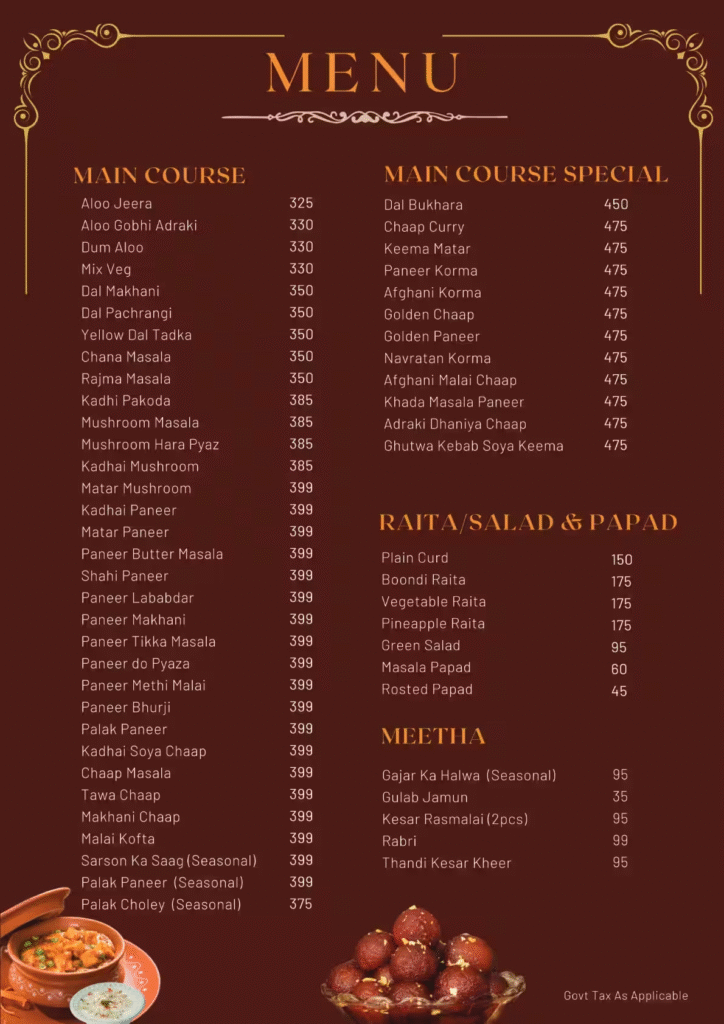
Checking the menu online before heading out saves time and prevents awkward walk-outs. Here is how to evaluate a menu in 30 seconds:
- Watch out for massive, bloated menus: Be cautious of places that try to cook everything. A kitchen attempting to serve sushi, wood-fired pizza, street tacos, and pasta all on the same menu is almost certainly using frozen shortcuts. A concise, focused menu means the kitchen knows what it’s good at and keeps fresh inventory.
- Check dietary accommodations early: If anyone in your group is vegetarian, vegan, gluten-free, or has specific religious dietary requirements, checking the menu beforehand saves everyone stress.
- Look at pricing ahead of time: Scanning prices ensures the spot fits your intended budget before you take a seat, avoiding unexpected bill shock at the end of the night.
Match the Spot to the Occasion
There is no single “best” restaurant in any city—there is only the right restaurant for what you need at that exact moment.
| What You Need | Key Features to Look For | Best Type of Venue |
| Quick Solo Lunch | Fast counter ordering, quick seating, laid-back vibe | Noodle bars, delis, casual bakeries |
| Family Meal | Spacious tables, varied menu options, normal noise levels | Local pizzerias, family diners, casual buffets |
| Date Night | Warm lighting, lower noise levels, attentive pacing | Intimate bistros, cozy wine bars, regional spots |
| Group Hangout | Shareable plates, lively energy, big flexible tables | Tapas bars, food halls, gastropubs |
Subtle Details That Mark a Quality Kitchen
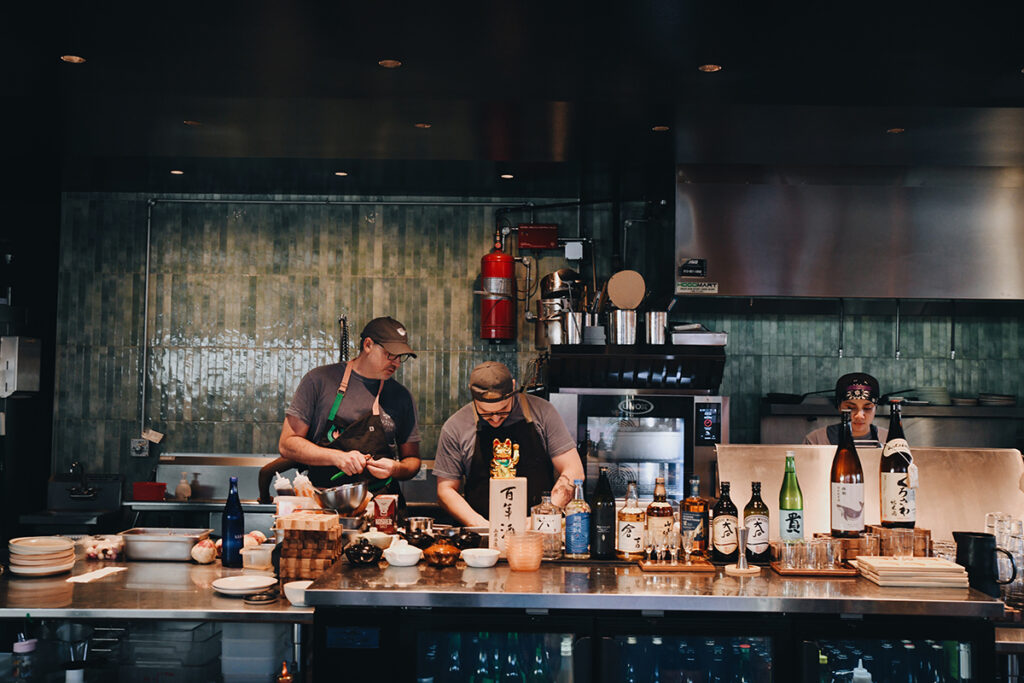
Beyond basic taste, a few quiet operational habits separate a memorable local eatery from a forgettable one.
Freshness Beats Complexity
You can taste fresh ingredients instantly. A simple dish made with crisp produce and good quality oil will always taste better than a complex, heavy dish smothered in pre-made sauces. Simple items like fresh greens, house-made salad dressings, or hot, freshly baked bread tell you everything you need to know about a kitchen’s standards.
Environmental Comfort
You don’t need fancy decor or white tablecloths to enjoy a meal. But clean floors, comfortable seating, well-managed lighting, and a reasonable noise level make a massive difference. A good restaurant feels welcoming and lets you enjoy your conversation without feeling rushed out the door.
Service Grounded in Basic Hospitality
Attentive, genuine service stays in your memory long after you forget what the room looked like. Friendly staff who welcome you warmly, explain menu items without being pushy, and handle a busy rush calmly make the whole meal better. Good service is simply about making guests feel respected.
Signature Dishes
Almost every great neighborhood place does one or two things extraordinarily well—a specialty curry, a signature house burger, a secret sauce, or a homemade dessert recipe. Never hesitate to ask your server: “What’s the item people keep coming back for?” Ordering a kitchen’s specialty gives you the truest measure of their skill.
Upgrade Your Search Terms
Typing basic phrases like “food near me” into a search bar usually brings up paid ads, large national chains, or aggressive fast-food outlets. If you want interesting local food, get specific with your search text:
- Instead of: “Food near me” $\rightarrow$ Try: “Fresh hand-pulled noodles near me”
- Instead of: “Lunch options” $\rightarrow$ Try: “Quiet café with outdoor seating near me”
- Instead of: “Dinner spots” $\rightarrow$ Try: “Family-run Italian bistro near me”
- Instead of: “Breakfast near me” $\rightarrow$ Try: “Local bakery breakfast sandwiches near me”
Adding descriptive keywords cuts out generic results immediately, matching you with places tailored to your exact craving.
A Simple 4-Step Scouting Routine

If you want to build your own personal guide to the best eating spots in your town, use this quick system:
- Run a Specific Search: Search for the exact type of food or vibe you want, and pick two or three potential spots nearby.
- Do a 60-Second Scan: Quickly check the newest reviews, skim recent customer photos for food quality, and check the price range.
- Order Intentionally: When you visit, order one baseline staple (like a simple soup, house salad, or basic side to judge fundamental prep quality) alongside one signature house specialty.
- Keep Track: Pay attention to how you feel when you leave. Was the food served fresh and hot? Was the staff friendly? Did you get good value for your money?
If a spot checks every box, drop a pin and save it to a custom list on your phone. Over a few months, you’ll build a reliable, personal guide to the absolute best food in your area.
FAQs
1. What is the quickest way to spot a clean restaurant?
Look at the small details right when you enter, like wiped tables and clean door handles. Restrooms are also a reliable gauge—if they take care of the guest spaces, the kitchen is usually spotless, too.
2. Are counter-service spots and small stalls actually worth trying?
Absolutely, because they usually focus on perfecting just a few signature dishes instead of a bloated menu. Lower overhead also means they can invest in fresh ingredients while keeping prices friendly.
3. Why do some 5-star places end up being disappointing?
High star ratings often reflect trendy decor, great music, or generous drinks rather than exceptional food. A high score shows people enjoyed the general vibe, but it doesn’t guarantee the cooking is great.
4. What should I do if my food comes out cold or incorrect?
Kindly let your server know right away so they have a chance to make it right. Local owners take genuine pride in their food and are almost always happy to replace or fix the dish on the spot.