
Let’s be honest for a second: for most of us, coffee isn’t just a hot drink. It’s the single reason we are functional human beings before 9:00 AM. It’s the comforting warmth in our hands while the world wakes up, the reliable excuse to grab a table with an old friend, and the faithful fuel that gets us through a brutal 3:00 PM slump. National Coffee Day celebrates this iconic drink and the amazing facts every fan should know.
Whether you’re someone who drinks plain dark roast out of a chipped diner mug or a home barista who weighs coffee grounds down to the tenth of a gram, coffee is deeply baked into our daily lives.
Yet, almost everyone takes this incredible drink for granted. Behind that humble mug sits a fascinating backstory of tropical agriculture, organic chemistry, ancient folk legends, and worldwide trade.
Here is the real, down-to-earth breakdown of what’s actually happening inside your coffee cup—and how you can make it taste miles better at home tomorrow morning.
1. The Biggest Misconception: Coffee Is a Fruit, Not a Bean
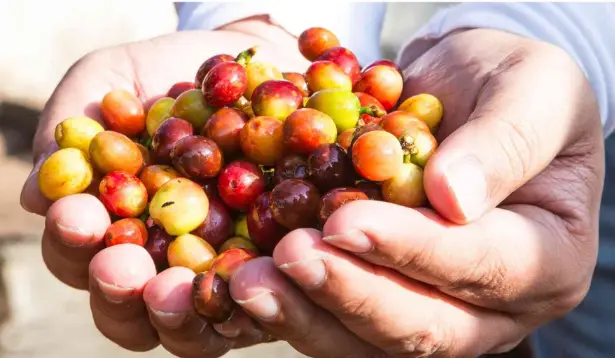
If you take away only one piece of trivia from this guide, let it be this: coffee beans aren’t beans at all. They are the seeds of a tropical fruit.
The coffee plant produces small, round berries known as coffee cherries. As these cherries ripen under the equatorial sun, they turn from a hard green into a bright, shiny crimson red or deep gold.
+-----------------------------------------------------------------------+
|                       ANATOMY OF A COFFEE CHERRY                      |
+-----------------------------------------------------------------------+
| 1. Outer Peel (Exocarp)   - The protective skin of the fruit          |
| 2. Fruit Pulp (Mesocarp)  - Sweet, sticky flesh surrounding the seeds |
| 3. Gel Layer (Mucilage)   - Pectin-rich inner layer packed with sugar |
| 4. Parchment Hull         - A tough paper-like shell around the seed  |
| 5. Green Coffee Seeds     - The actual "beans" that eventually roast  |
+-----------------------------------------------------------------------+
Inside almost every coffee cherry, two flat-faced seeds sit pressed together, face-to-face.
(Nature drops a subtle twist roughly 5% of the time: a natural mutation where a cherry grows only one single, perfectly round seed inside instead of two. This is called a peaberry. Because this single seed gets all the fruit’s nutrients to itself, roasters love them for their sweet, concentrated flavor.)
Before raw green coffee seeds can be shipped to roasters around the globe, farmers have to strip away the sweet fruit flesh. How they do this—either washing the pulp off with water (Washed Process) or letting the whole cherries dry in the hot sun on raised wooden beds (Natural Process)—leaves a massive footprint on how your coffee will taste in the cup months later.
2. Arabica vs. Robusta: The Battle for Your Coffee Bag
Ever notice how almost every bag of coffee at the grocery store boasts “100% Arabica” on the label? What does that actually mean, and what are they trying so hard not to give you?
Out of more than a hundred wild coffee species on Earth, the global industry revolves almost entirely around two: Arabica (Coffea arabica) and Robusta (Coffea canephora).
| Feature | Arabica (Coffea arabica) | Robusta (Coffea canephora) |
| Global Market Share | ~60% – 70% | ~30% – 40% |
| Taste Profile | Smooth, sweet, complex, fruity, floral | Bold, earthy, heavy, dark cocoa, bitter |
| Caffeine Punch | Lower (~1.2% – 1.5%) | High (~2.2% – 2.7% — almost double!) |
| Where It Grows | High elevations (cool air, slow growth) | Lowlands (hot, humid, tough conditions) |
| What It’s Used For | Specialty cafés, pour-overs, drip bags | Traditional espresso blends, instant coffee |
Specialty coffee roasters favor Arabica because high-altitude farming slows down how fast the coffee fruit grows. That slow maturation packs the seed with natural sugars and delicate acids, giving you those complex berry, floral, or caramel notes.
Robusta, on the other hand, is an absolute tank of a plant. It produces nearly twice the caffeine of Arabica—which nature designed as a built-in pest control system to poison insects trying to eat the plant. While Robusta tastes much harsher and woodier on its own, high-grade Robusta is the secret ingredient in traditional Italian espresso blends because it creates a ridiculously thick, velvety layer of golden foam called crema.
3. How Humanity Got Hooked: Dancing Goats and “Penny Universities”
How on Earth did humans figure out that taking the seeds of a tropical wild berry, burning them, and pouring hot water over the powder tasted good?
The Legend of Kaldi’s Hyperactive Herd
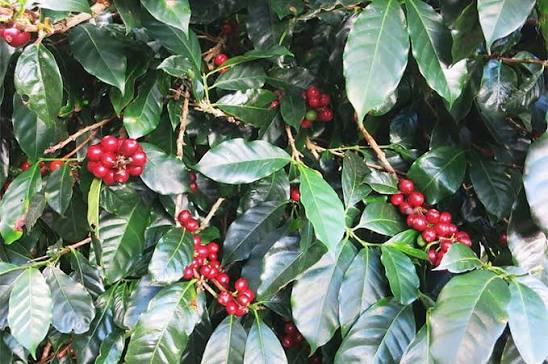
The most famous story traces back to 9th-century Ethiopia. A young goat herder named Kaldi noticed his herd acting bizarrely energetic—literally prancing and dancing around—after nibbling bright red berries off a wild green shrub.
Curious, Kaldi tried a few berries himself, felt an instant surge of energy, and ran to show a local monk. The monk, convinced the energizing berries were demonic, threw them into a fireplace. As the seeds began to roast in the embers, a heavenly aroma filled the room. The monks quickly raked the roasted seeds out, crushed them, dissolved them in warm water, and drank the world’s very first brew to help them stay awake during long night prayers.
The Rise of Coffeehouse Culture
While the Kaldi legend is probably colorful folklore, history confirms that cultivated coffee drinking started in Yemen during the 15th century.
From Yemen, coffee spread across the Arabian Peninsula. The world’s first public coffeehouses (qahveh khaneh) popped up in bustling cities like Cairo, Damascus, and Istanbul. These weren’t drive-thrus; they were vibrant social spaces where people gathered to talk politics, listen to live music, play chess, and share ideas.
By the 17th century, coffee hit Europe. London’s coffeehouses became so famous for intense intellectual debate that people called them “Penny Universities.” For just a single penny—the price of a cup—anyone could walk in, sit at a communal table, and hold conversations with scholars, merchants, sailors, and poets.
4. The Coffee Belt: Why Location Means Everything
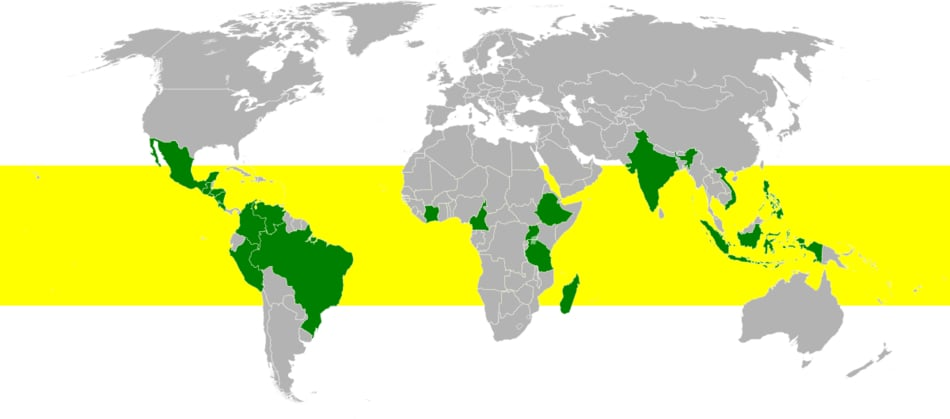
Coffee trees are picky. They hate frost, despise extreme drought, and can’t handle scorching heat without shade. Because of this, coffee grows almost exclusively in a tropical band encircling the equator, bounded by the Tropics of Cancer and Capricorn—an area known as The Coffee Belt.
                   +---------------------------------------+
                   |          THE COFFEE BELT              |
                   +---------------------------------------+
                   |  Latitude: ~25° North to 30° South     |
                   |  Key Needs: Consistent warmth, rich   |
                   |  volcanic soil, ample rain, altitude  |
                   +-------------------+-------------------+
                                       |
       +-------------------------------+-------------------------------+
       |                               |                               |
       v                               v                               v
+--------------+               +---------------+               +---------------+
|  AMERICAS    |               |    AFRICA     |               |  ASIA-PACIFIC |
| Brazil       |               | Ethiopia      |               | Vietnam       |
| Colombia     |               | Kenya         |               | Indonesia     |
| Guatemala    |               | Rwanda        |               | Sumatra/Java  |
+--------------+               +---------------+               +---------------+
The soil, weather, and altitude of each region leave a distinct flavor mark (often called terroir):
- Latin America (Brazil, Colombia, Guatemala): The ultimate crowd-pleasers. Smooth, approachable, and comforting coffees tasting of milk chocolate, toasted hazelnut, and warm caramel.
- East Africa (Ethiopia, Kenya): Wild, vibrant, and bright. These coffees often taste surprisingly tea-like, packed with aromas of jasmine, bergamot, fresh blueberries, and lemon zest.
- Asia-Pacific (Indonesia, Vietnam): Earthy, dark, and heavy. Sumatran coffees, for instance, are famous for thick, syrupy textures with deep dark-chocolate, cedar, and herbal notes.
5. What Actually Happens When Coffee Is Roasted?
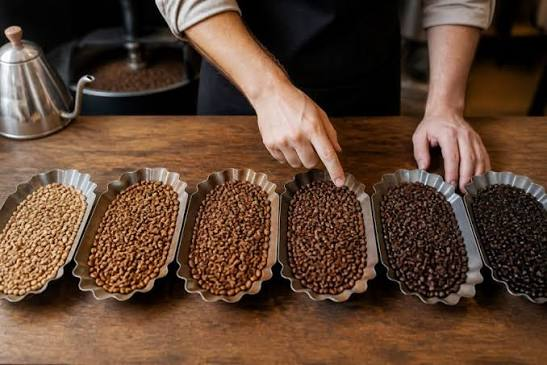
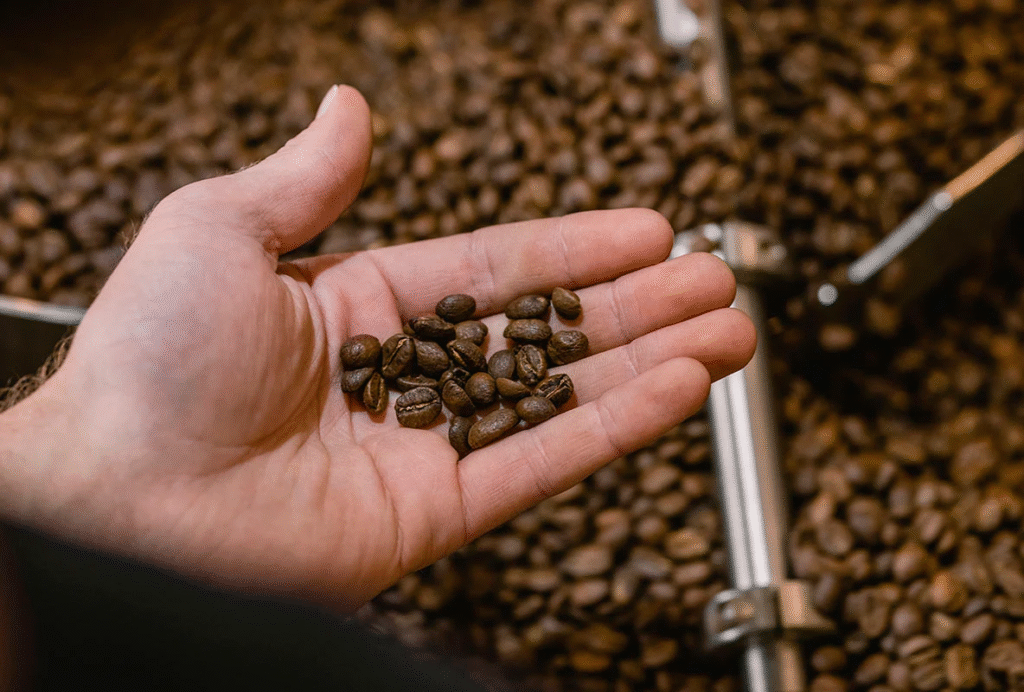
Raw green coffee seeds smell like dry grass and feel as hard as small pebbles. You couldn’t grind them if you tried—they’d snap your grinder blades. Heat is what unlocks the magic.
When raw beans drop into a commercial drum roaster hot enough to make your skin sweat (above $200^\circ\text{C}$ or $400^\circ\text{F}$), two key things happen:
- The Maillard Reaction: Heat breaks down complex sugars and amino acids, browning the seed and creating hundreds of aromatic compounds.
- First Crack: Water trapped inside the seed turns to high-pressure steam. Eventually, the cell walls pop open with a loud CRACK (just like popcorn). The seed doubles in size.
LIGHT ROAST                 MEDIUM ROAST                DARK ROAST
[ High Acidity ]            [ Balanced Flavor ]         [ Low Acidity ]
[ Floral & Fruity ]         [ Caramel & Nutty ]         [ Smoky & Bold ]
[ Dry Surface ]             [ Matte Surface ]           [ Oily Surface ]
- Light Roasts: Pulled right after First Crack. They preserve the original character of the farm’s soil, delivering bright acidity, floral aromas, and fruit notes.
- Medium Roasts: The sweet spot for balance. They blend fruity origin flavors with warm, caramel sweetness developed during the roast.
- Dark Roasts: Kept in the roaster until a “Second Crack” happens. The heat burns off the origin flavors, replacing them with smoky, dark-chocolate, and bittersweet notes with very low acidity.
6. Espresso Demystified: It’s a Brew Method, Not a Bean
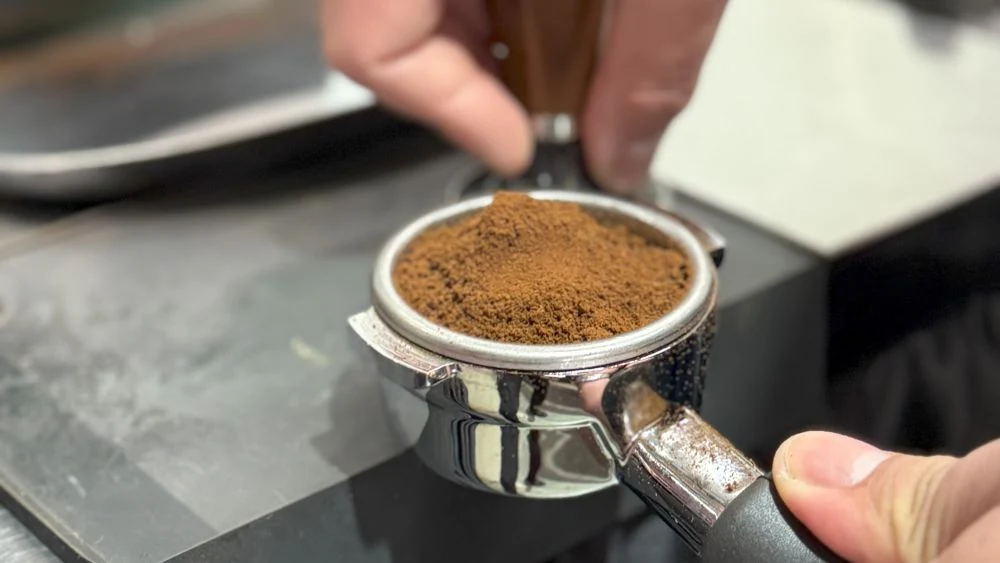
Here is another massive myth to throw in the trash: Espresso is not a dark, mysterious type of coffee bean.
Espresso is a brewing process. You can make an espresso using any coffee bean on Earth—from a light-roast Ethiopian bean to a dark-roast Latin American blend.
To make espresso, a machine forces a small amount of near-boiling water through finely ground, densely packed coffee under intense pressure (typically 9 bars). That high pressure rips out solubles in seconds, producing a concentrated shot topped with a velvety layer of golden foam called crema.
| Espresso Drink | How It’s Actually Made |
| Espresso | 1 oz pure, concentrated shot |
| Americano | 1 shot espresso diluted with hot water |
| Cappuccino | Equal parts espresso, steamed milk, and thick milk foam |
| Latte | 1 shot espresso + a lot of steamed milk + a thin foam cap |
| Flat White | Double shot ristretto + silky, non-aerated microfoam milk |
| Macchiato | 1 shot espresso “marked” with a tiny dollop of milk foam |
7. The Single Biggest Upgrade to Your Morning: Grind Size
If your homemade coffee tastes sour, thin, or so intensely bitter it makes you wince, you probably don’t need a fancy $500 machine. You just need to fix your grind size.
When hot water hits ground coffee, it dissolves flavor compounds out of the grounds. How quickly that happens comes down to surface area.
EXTRA COARSE    COARSE         MEDIUM         FINE           EXTRA FINE
(Cold Brew)     (French Press) (Drip / Pour)  (Espresso)     (Turkish)
 O O O O O      o o o o o      . . . . .      : : : : :      · · · · ·
- Under-Extraction (Sour, thin, salty): Water passed through the coffee grounds too fast because they were too large (coarse).
- Over-Extraction (Bitter, harsh, dry mouthfeel): Water sat on the coffee grounds for too long because they were too small (fine), leaching out harsh, woody tannins.
Quick Grind Matcher:
- Coarse (Coarse Sea Salt): French Press, Cold Brew
- Medium (Standard Table Salt): Automatic Drip Coffee Makers, Pour-Overs
- Fine (Powdered Sugar): Espresso Machines, Moka Pots
- Extra-Fine (Flour): Turkish Coffee
8. Three Golden Rules for Brewing Incredible Coffee at Home
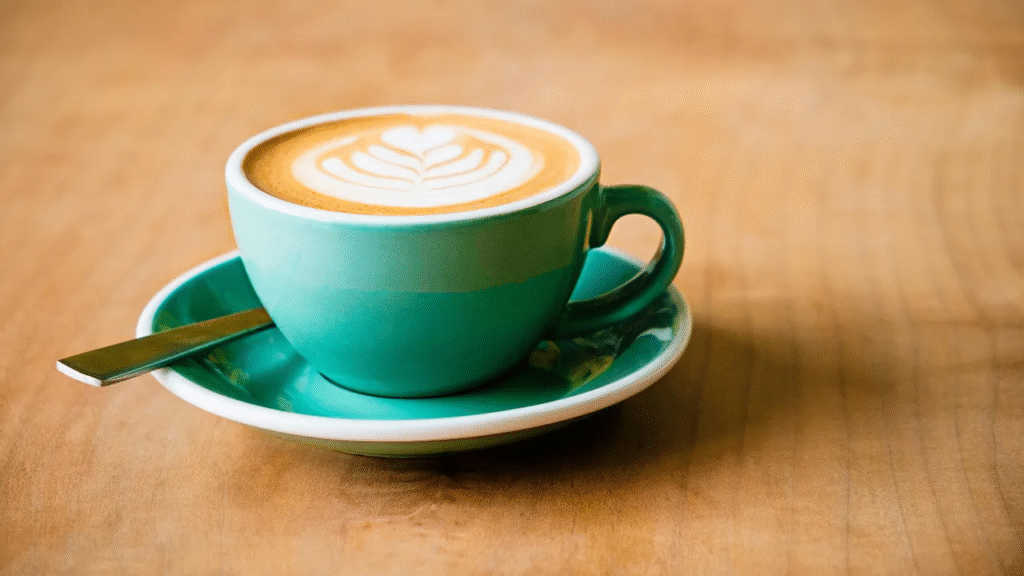
You don’t need to turn your kitchen into a science lab to brew fantastic coffee. Adopting these three basic habits will instantly transform your morning cup:
- Buy Whole Beans and Grind Fresh: Pre-ground coffee starts going stale within minutes because oxygen strips away delicate aromatic oils. Buying whole beans and grinding them right before you brew is the single biggest quality jump you can make.
- Filter Your Water: A mug of coffee is roughly 98% water. If your tap water tastes like chlorine or heavy minerals, your coffee will taste like that too. Using a basic water pitcher filter makes an immediate difference.
- Keep Beans in the Pantry (Ditch the Fridge): Store your coffee beans in an airtight container in a cool, dark cupboard. Storing daily coffee in the refrigerator introduces moisture condensation every time you open the bag, which destroys the bean’s natural oils.
The Bottom Line
Behind every morning mug is a staggering chain of human effort—farmers working tropical hillsides, careful processing, roasters balancing chemistry, and centuries of tradition.
Whether you love a black drip coffee or a sweet iced drink, taking five seconds to appreciate where those beans came from makes every single sip taste just a little bit better.
FAQs
Is coffee actually bad for your health?
Not at all—drinking 2 to 3 cups a day is packed with helpful antioxidants. Just try not to load it up with tons of sugar or drink it right before bed.
Why does coffee mess with my stomach sometimes?
Coffee triggers stomach acid and gets your digestion moving quickly, especially on an empty stomach. Having a bite to eat first or switching to cold brew usually fixes the issue.
Does dark roast really have more caffeine than light roast?
Surprisingly, no. Light roast actually has slightly more caffeine by weight, but the difference is so small you’ll barely notice it.
How long do coffee beans actually stay fresh?
They taste best within 2 to 4 weeks of being roasted. Just keep them in an airtight bag in your pantry, and skip the fridge to avoid moisture ruin.