
Taking care of your heart is one of the most important things you can do for your overall well-being. Cardiovascular disease remains one of the leading health concerns worldwide, but the reassuring news is that many cases can be prevented or managed through everyday lifestyle choices. Building a heart-healthy routine does not require a complete overhaul of your life overnight. Instead, long-term health comes from the total pattern of small, consistent decisions you make each day.
By taking control of what you put on your plate and how much you move your body, you can lower your blood pressure, reduce unhealthy cholesterol levels, and keep your blood vessels clear. This comprehensive guide breaks down the core principles of a heart-healthy lifestyle into clear, realistic steps that fit smoothly into everyday routines.
The Foundation: Balancing Energy and Moving Daily

Your heart is a muscular pump, and like any other muscle, it relies on regular physical activity to stay strong. At the same time, managing your energy balance—making sure the energy you get from food matches the energy your body burns—is essential for maintaining a healthy weight.
Knowing Your Daily Calorie Requirements
To keep your weight stable, you need to use up at least as many calories as you consume. Many standard food labels list nutritional information based on a reference diet of 2,000 calories a day. However, your individual needs might be higher or lower depending on key personal factors:
- Age and Gender: Metabolic rates naturally slow down as we age, and daily energy needs differ between men and women.
- Height and Weight: Larger bodies require more energy to carry out daily functions.
- Activity Level: People who work active jobs or exercise frequently burn significantly more calories.
- Pregnancy or Breastfeeding: Nursing and pregnant mothers require extra nutrients and calories to support growing life.
Daily Activity Targets for Heart Health
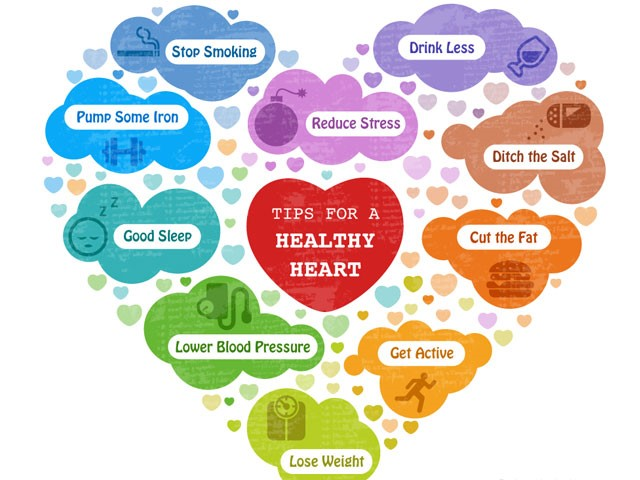
When it comes to exercise, consistency matters far more than intensity. Getting your heart rate up regularly strengthens the heart muscle and improves circulation. The baseline recommendations for weekly exercise include:
150 Minutes of Moderate Activity: Activities like brisk walking, leisure cycling, water aerobics, or active yard work spread throughout the week.
- 75 Minutes of Vigorous Activity: Options like running, lap swimming, fast cycling, or playing competitive sports.
- Strength Training: Incorporating resistance or weight-strengthening exercises at least two days a week to build muscle tissue, which boosts metabolism.
If your schedule makes long workouts difficult, break them up into smaller parts. Simple habits like taking a ten-minute walk after lunch, taking the stairs instead of the elevator, or parking farther away from shop entrances add up to meaningful movement over the course of a week.
Mastering Portion Sizes and Meal Patterns
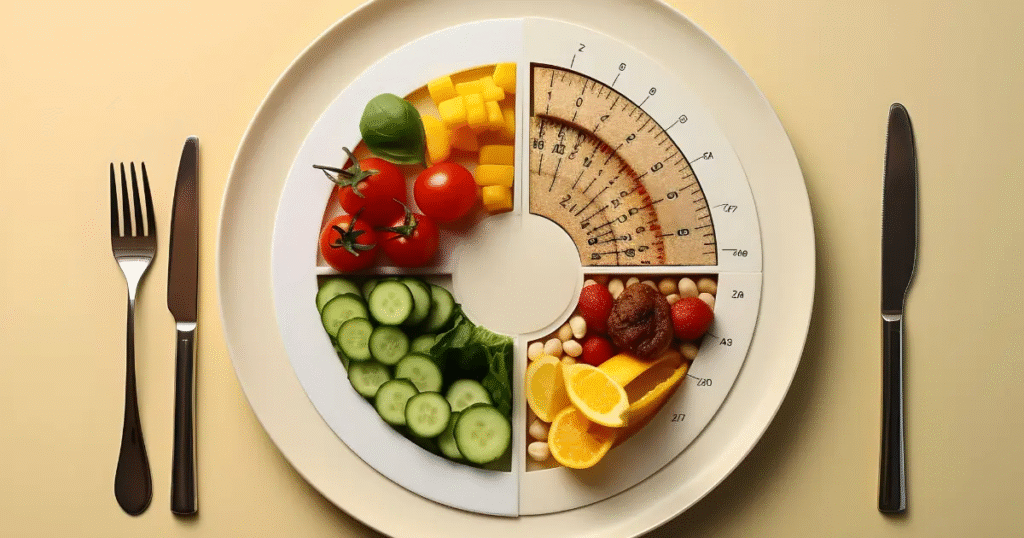
How much you eat is just as vital as the types of food you select. Overloading your plate, reaching for second helpings out of habit, or eating until you feel uncomfortable leads to consuming more energy than your body requires.
Simple Steps to Control Portions
- Use Smaller Dishes: Serving meals on smaller plates tricks the brain into feeling satisfied with reasonable portion sizes.
- Fill Half Your Plate with Vegetables: Non-starchy vegetables are rich in water and fiber, filling you up on fewer calories.
- Learn Visual Portion Clues: A single serving of cooked pasta or rice is about the size of a hockey puck (1/2 cup). A standard serving of lean chicken, fish, or meat (2 to 3 ounces) is about the size and thickness of a deck of playing cards.
+---------------------+-----------------------+--------------------------------------+
| Food Category       | Target Portion Size   | Visual Equivalent                    |
+---------------------+-----------------------+--------------------------------------+
| Cooked Grains/Pasta | 1/2 Cup               | Size of a hockey puck                |
| Lean Poultry/Meat   | 2 to 3 Ounces         | Size and thickness of a deck of cards|
| Natural Oils/Butter | 1 Teaspoon            | Size of the tip of your thumb        |
| Hard Cheese         | 1.5 Ounces            | Size of four stacked dice            |
+---------------------+-----------------------+--------------------------------------+
Nutrient-Dense Foods: What to Eat More Of
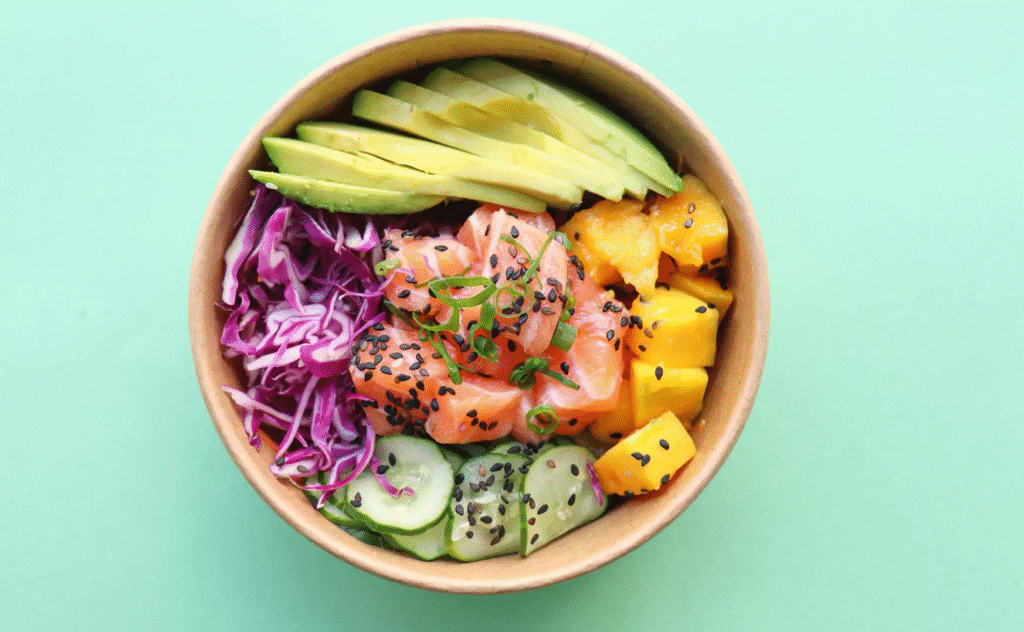
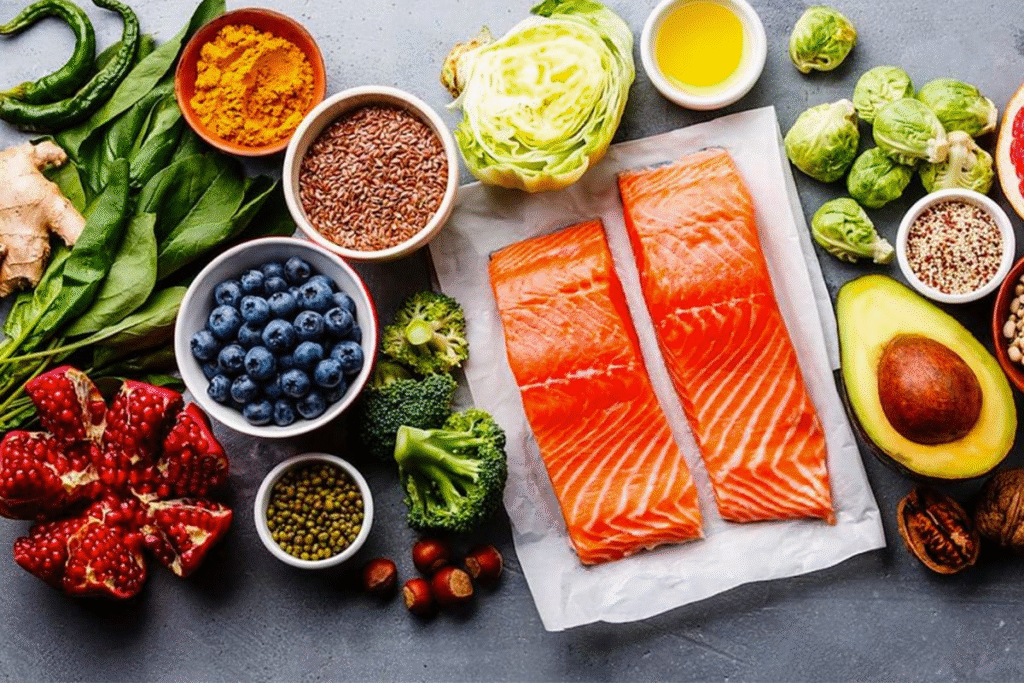
Shifting to a heart-healthy diet is not about strict restriction or feeling deprived; it is about filling your plate with delicious, nutrient-dense foods that naturally protect your cardiovascular system.
Produce: Nature’s Defense System
Fruits and vegetables are naturally low in calories and packed with essential vitamins, minerals, antioxidants, and dietary fiber. Fiber acts like a broom in your digestive tract, helping lower blood cholesterol levels and keeping you feeling full longer.
- Smart Choices: Fresh or plain frozen vegetables, leafy greens, berries, apples, and low-sodium canned vegetables.
- Options to Avoid: Vegetables served in heavy cream sauces, deep-fried or breaded vegetables, and fruit packed in heavy sugar syrup.
To eat more produce effortlessly, keep washed and chopped raw vegetables like carrots, cucumbers, and bell peppers at eye level in your refrigerator for quick snacking.
Whole Grains for Long-Term Energy
Unlike refined white flour, whole grains retain the outer bran layer and inner germ, providing vital B vitamins, iron, and soluble fiber. Soluble fiber binds to cholesterol particles in your digestive system and drags them out of the body before they enter your bloodstream.
- Grain Swaps to Make: Choose 100% whole-wheat bread over white bread, swap white rice for brown rice or quinoa, and start your morning with warm steel-cut oatmeal instead of sugary breakfast cereals.
Plant Proteins and Lean Sources
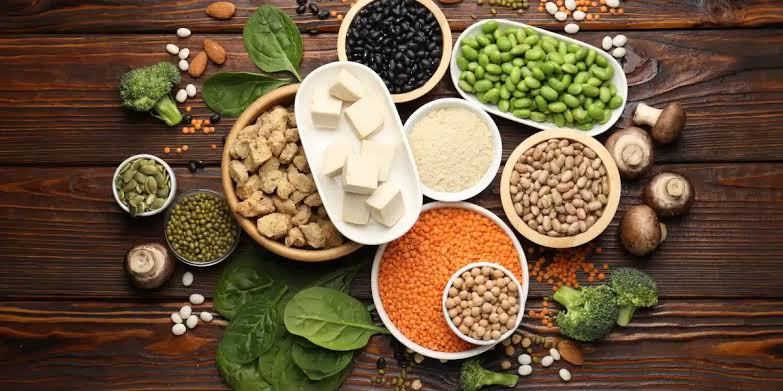
Protein is essential for muscle repair, but high-fat meats can bring unwanted saturated fats that raise blood cholesterol. Shifting toward plant-based proteins and low-fat options protects your arteries.
- Plant Proteins: Beans, lentils, chickpeas, split peas, and soy products like tofu contain no cholesterol and offer abundant dietary fiber.
- Cold-Water Fish: Salmon, mackerel, sardines, and canned light tuna are rich in omega-3 fatty acids, which help reduce inflammation and lower blood fats called triglycerides.
- Lean Poultry: Skinless chicken and turkey breasts provide high-quality protein with minimal saturated fat.
Ingredients to Limit for Long-Term Protection
While adding nutrient-rich foods is step one, reducing certain dietary elements is equally important for keeping your blood vessels elastic and clear of plaque buildup.
+-----------------------+------------------------------------+---------------------------------------+
| Category              | Items to Choose Regularly          | Items to Avoid or Limit               |
+-----------------------+------------------------------------+---------------------------------------+
| Dietary Fats          | Olive oil, avocado, nuts, seeds    | Butter, lard, palm oil, coconut oil   |
| Daily Proteins        | Beans, lentils, fish, skinless poultry| Processed sausage, bacon, marbled beef|
| Seasonings & Flavor   | Fresh herbs, lemon juice, garlic   | Table salt, high-sodium soy sauce     |
+-----------------------+------------------------------------+---------------------------------------+
Unhealthy Fats and Plaque Buildup
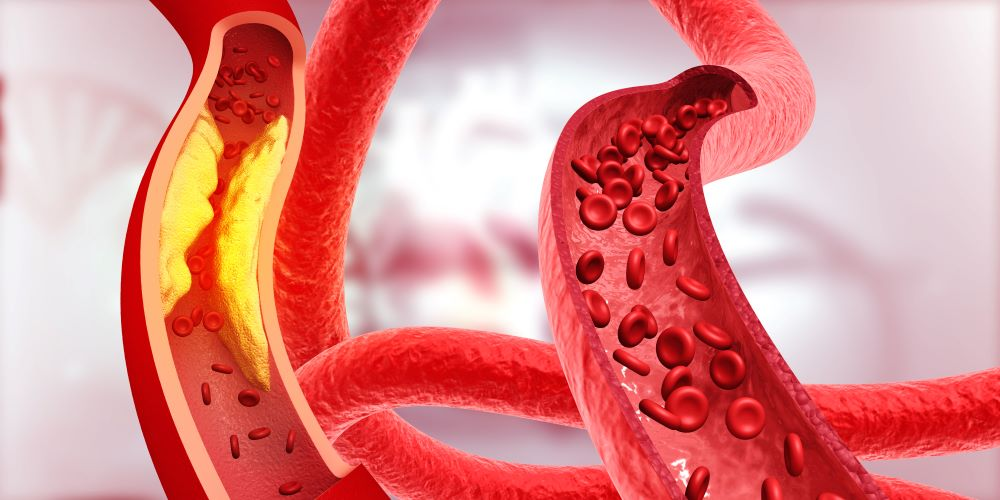
A diet high in saturated fats drives up low-density lipoprotein (LDL) cholesterol—often called “bad” cholesterol. Excess LDL cholesterol slowly forms hard deposits called plaque along artery walls, a condition known as atherosclerosis. Over time, plaque narrows the arteries, restricting blood flow and raising the risk of heart attacks and strokes.
- Limit Saturated Fat: Keep saturated fat to less than 6% of your daily calories (around 11 to 13 grams on a standard 2,000-calorie diet). Reduce your consumption of full-fat dairy, butter, lard, coconut oil, and fatty cuts of meat.
- Avoid Trans Fats Entirely: Avoid any foods containing “partially hydrogenated oils,” which are often hidden in imported baked goods and processed snack foods.
- Embrace Unsaturated Fats: Replace solid fats with liquid plant oils like extra virgin olive oil, avocado oil, and canola oil.
Sodium and High Blood Pressure
Sodium draws water into your bloodstream, increasing the volume of blood passing through your vessels. This extra volume forces your heart to pump harder and increases blood pressure against artery walls. Over time, high blood pressure damages delicate blood vessel linings.
- Set Realistic Sodium Targets: Aim to stay under 2,300 milligrams of sodium per day (about one teaspoon of table salt), with an ideal limit of 1,500 milligrams for optimal heart health.
- Watch Hidden Sodium: Over 70% of the sodium in modern diets comes from packaged foods, canned soups, frozen dinners, and restaurant meals rather than the salt shaker on your dining table. Always read food labels carefully and choose low-sodium options.
Practical Grocery Shopping Strategies

Creating a heart-healthy home environment starts at the supermarket. By shopping intentionally, you ensure your pantry and refrigerator are stocked with nutritious ingredients.
- Shop the Perimeter: Fresh produce, lean meats, and fresh seafood are usually arranged along the outer walls of the grocery store. Minimize time spent in the middle aisles filled with ultra-processed snack foods.
- Read the Nutrition Facts Panel: Check serving sizes, sodium content, saturated fat numbers, and added sugars before placing packaged items into your cart.
- Look for Certified Seals: Look for recognized heart-check symbols on food packaging, which indicate that the product meets established criteria for a heart-healthy diet.
Frequently Asked Questions
How much exercise do I need each week for a healthy heart? Aim for at least 150 minutes of moderate activity like brisk walking, or 75 minutes of vigorous activity like running each week, along with two days of strength training.
What is the daily sodium limit for optimal heart health? The recommended upper limit for adults is 2,300 milligrams per day, but an ideal target for overall blood pressure management is 1,500 milligrams daily.
Are plant-based oils like olive oil healthy for the heart? Yes, liquid plant oils like extra virgin olive oil are high in unsaturated fats that help lower bad LDL cholesterol when used in place of saturated fats like butter.
Why is fiber important for managing blood cholesterol? Soluble fiber binds to cholesterol particles during digestion and sweeps them out of the body before they can enter your bloodstream, helping lower total cholesterol levels.
How can I reduce sodium in my diet without losing flavor? Flavor your dishes with fresh herbs, garlic, citrus juices, vinegar, and salt-free spice blends instead of using table salt or high-sodium condiments.