
The global food industry has changed dramatically over the past few decades, and restaurant chains have become one of the biggest success stories in modern business. From fast-food giants and casual dining brands to coffee shops and premium restaurant franchises, popular restaurant chains continue expanding into new cities and countries every year. Whether people are traveling, shopping, working, or relaxing with friends and family, restaurant chains have become part of everyday life across the world.
The growth of restaurant chains is not happening by accident. These businesses understand consumer behavior, adapt to changing food trends, and use smart business strategies to stay competitive. Customers today want convenience, consistency, affordability, and memorable dining experiences, and successful restaurant chains know how to deliver all of these things effectively.
Technology, social media, globalization, and food delivery services have also contributed to the rapid rise of restaurant chains worldwide. Consumers are more connected than ever, and popular brands can now reach millions of people through digital marketing and online platforms. As lifestyles become busier and dining habits continue evolving, restaurant chains are finding new opportunities for growth in almost every market.
The Power of Brand Recognition

One of the biggest reasons restaurant chains continue to grow globally is strong brand recognition. People naturally feel more comfortable visiting restaurants they already know and trust. When customers see a familiar restaurant logo in a new city or country, they often feel confident about the quality of food and service they will receive.
Brand recognition creates trust, and trust plays a major role in customer decisions. Travelers frequently choose well-known restaurant chains because they know what to expect. Families, students, office workers, and tourists often prefer reliable dining options rather than taking risks with unfamiliar places.
Popular restaurant chains spend heavily on advertising, social media campaigns, celebrity collaborations, and sponsorships to maintain visibility. Over time, these efforts help brands become deeply connected with consumers’ daily lives. Some restaurant chains have become so recognizable that their logos, menu items, and packaging are instantly associated with comfort and convenience.
Strong branding also helps restaurant chains expand internationally more easily. A famous restaurant name can attract customers even before a new location officially opens.
Consistency Builds Customer Loyalty
Another important factor behind the success of restaurant chains is consistency. Customers want their favorite meals to taste similar no matter where they are. Whether someone visits a restaurant in India, the United States, Europe, or the Middle East, they expect the same quality, flavors, and service experience.
Restaurant chains invest heavily in standardized recipes, staff training, and operational systems to maintain consistency across locations. This reliability creates customer loyalty because people know they can depend on the brand.
Consistency also reduces uncertainty for customers. In today’s busy world, many people prefer predictable experiences, especially when dining with family or during work breaks. Restaurant chains provide familiarity, which makes dining decisions easier and more convenient.
Loyal customers often return regularly because they trust the experience. Over time, this customer retention becomes one of the strongest drivers of long-term business growth.
Fast-Paced Lifestyles Increase Demand

Modern lifestyles have significantly influenced the growth of restaurant chains. Many people today have busy schedules filled with work, education, commuting, and social commitments. As a result, consumers increasingly prefer quick and convenient dining solutions.
Restaurant chains are designed to serve customers efficiently. Fast-food restaurants, coffee chains, and quick-service dining brands focus on speed, accessibility, and convenience. Drive-thru services, mobile ordering apps, and food delivery options make it easier than ever for customers to enjoy meals without spending too much time.
Urbanization has also contributed to this trend. As cities become more crowded and work cultures become more demanding, people often rely on restaurant chains for affordable and accessible meals throughout the day.
The rise of food delivery platforms has further accelerated growth. Customers can now order food from their favorite restaurant chains with just a few clicks, making dining more convenient than ever before.
Technology Is Transforming the Restaurant Industry
Technology has completely changed the way restaurant chains operate and interact with customers. Digital innovation allows restaurant businesses to improve efficiency, reduce costs, and create better customer experiences.
Mobile apps have become essential tools for many restaurant chains. Customers can browse menus, place orders, earn loyalty rewards, and receive personalized offers directly through their smartphones. This convenience encourages repeat purchases and stronger customer engagement.
Self-service kiosks, digital payment systems, and AI-powered customer support are also improving restaurant operations. These technologies help reduce waiting times and improve order accuracy.
Social media platforms have become powerful marketing tools for restaurant chains as well. Viral food trends, influencer promotions, and visually appealing food photography can quickly attract millions of online viewers. Restaurant chains that successfully use digital marketing often gain stronger visibility and customer interest.
Data analytics also allows businesses to understand customer preferences better. Restaurant chains can track buying habits, popular menu items, and customer feedback to improve services and increase profitability.
Menu Innovation Keeps Customers Interested
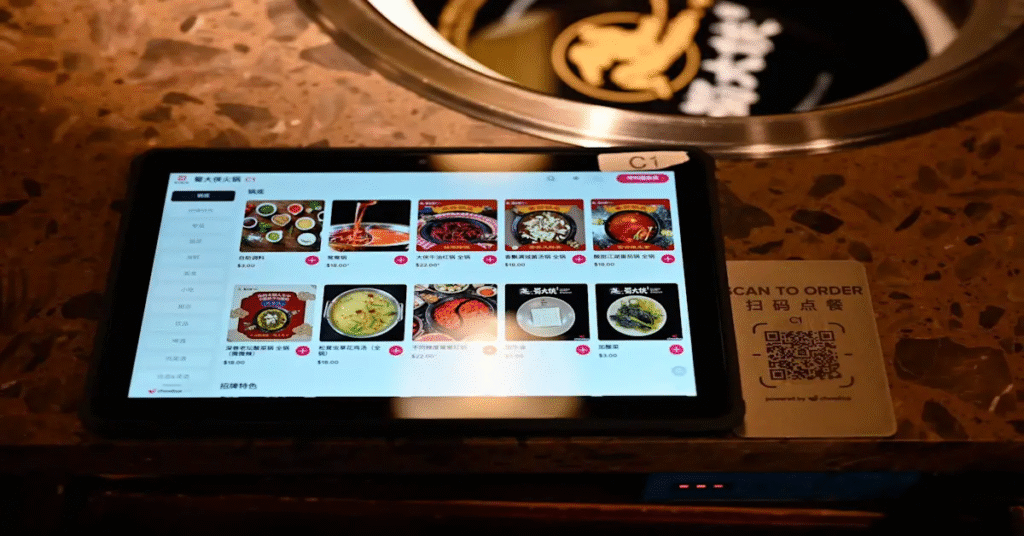
One major reason restaurant chains continue growing is their ability to adapt to changing consumer preferences. Food trends constantly evolve, and successful restaurant brands understand the importance of innovation.
Customers today want more than traditional fast food. Many consumers are looking for healthier meals, plant-based options, sustainable ingredients, and international flavors. Restaurant chains are responding by expanding menus and introducing new products regularly.
Seasonal items, limited-time offers, and unique collaborations create excitement among customers. Many restaurant chains use these strategies to encourage repeat visits and generate social media attention.
Customization has also become increasingly popular. Customers enjoy choosing ingredients, adjusting flavors, and personalizing meals according to their preferences. Restaurant chains that offer flexible menu options often appeal to wider audiences.
Innovation helps restaurant chains remain competitive while keeping their brand fresh and modern.
Global Expansion and Localization Strategies
Global expansion is one of the biggest goals for many restaurant chains. As brands grow successfully in one market, they often look for opportunities to expand internationally. However, successful global expansion requires more than simply opening new locations.
Popular restaurant chains understand the importance of localization. While maintaining core brand identity, they also adapt menus and marketing strategies to fit local cultures and tastes.
For example, restaurant chains may introduce vegetarian options in countries where plant-based diets are common or create spicy menu items in regions that prefer bold flavors. This balance between global branding and local adaptation helps chains connect with diverse customer groups.
Localization also helps brands build stronger emotional connections with customers. People appreciate businesses that understand cultural preferences and dining habits.
As international travel and digital communication continue increasing, restaurant chains are finding it easier to build global recognition while adapting to local markets.
Affordable Dining Appeals to Large Audiences

Affordability is another key reason restaurant chains continue to grow globally. While luxury dining experiences exist, many consumers look for meals that are budget-friendly and convenient.
Restaurant chains often benefit from large-scale operations and efficient supply chains, allowing them to offer competitive prices. This affordability attracts students, families, office workers, and travelers who want quality meals without spending too much money.
Value meals, combo offers, loyalty rewards, and discount promotions further increase customer interest. During periods of economic uncertainty, affordable restaurant chains often perform better because consumers become more price-conscious.
The ability to provide consistent food at reasonable prices makes restaurant chains appealing to broad audiences across different income levels.
Social Media and Food Culture Influence
Social media has become one of the biggest influences on modern food culture. Platforms like Instagram, TikTok, and YouTube have changed how people discover restaurants and food trends.
Restaurant chains benefit greatly from social media visibility. Eye-catching menu items, limited-edition meals, and viral food trends can quickly attract global attention. Consumers often share restaurant experiences online, giving brands free promotion and increasing customer curiosity.
Influencers and content creators also play an important role in restaurant marketing. A single viral video or celebrity endorsement can generate massive demand for certain menu items.
Younger generations especially enjoy restaurants that feel trendy, visually appealing, and culturally relevant. Restaurant chains that successfully combine good food with strong social media presence often experience rapid growth.
Food is no longer just about eating. For many consumers, dining has become a social and entertainment experience that is shared online.
Franchising Supports Rapid Growth
Franchising has played a major role in helping restaurant chains expand globally. Instead of managing every location directly, many restaurant brands allow franchise owners to operate locations using the company’s business model and branding.
This strategy allows restaurant chains to grow faster while reducing financial risks. Franchise owners invest in local operations while benefiting from established brand recognition and support systems.
Franchising also helps businesses enter international markets more efficiently because local franchise partners often understand regional consumer behavior better.
Successful franchise systems provide training, operational guidance, marketing support, and supply chain management. This structure helps maintain consistency across multiple locations worldwide.
Many of the world’s largest restaurant chains achieved global success largely because of effective franchising strategies.
The Emotional Connection With Customers

Restaurant chains are not only selling food. They are also creating experiences, memories, and emotional connections with customers. Many people associate certain restaurants with family outings, celebrations, friendships, travel experiences, or childhood memories.
This emotional connection builds brand loyalty over time. Customers often return to restaurant chains because they feel familiar, comforting, and enjoyable.
Some restaurant brands create strong emotional identities through storytelling, advertising campaigns, or community involvement. Others focus on customer service and hospitality to create positive experiences.
Emotional branding is especially important in competitive markets where many restaurants offer similar products. Customers are more likely to stay loyal to brands they feel personally connected to.
The Future of Global Restaurant Chains
The future of restaurant chains looks highly promising as technology, convenience, and global connectivity continue evolving. Consumer expectations are changing rapidly, but successful restaurant brands are adapting quickly to stay competitive.
Future trends are likely to include AI-powered ordering systems, automated kitchens, sustainable packaging, healthier menu options, and personalized dining experiences. Restaurant chains will continue using data and technology to improve efficiency and customer satisfaction.
Sustainability will also become increasingly important. Consumers are paying more attention to environmental impact, food sourcing, and ethical business practices. Restaurant chains that invest in sustainable solutions may gain stronger customer trust in the future.
Digital ordering, delivery services, and mobile apps are expected to remain central to the industry’s growth. As online food culture expands, restaurant chains will likely continue finding innovative ways to connect with customers.
Despite changing trends, one thing remains clear: people will always value convenience, quality, affordability, and enjoyable dining experiences. Restaurant chains that successfully deliver these elements are likely to continue growing around the world.
FAQs
1.Why are restaurant chains so popular worldwide?
Restaurant chains are popular because they offer convenience, consistency, affordability, and recognizable branding that customers trust.
2.How do restaurant chains maintain food quality across locations?
Restaurant chains use standardized recipes, staff training programs, and operational systems to ensure consistent food quality and customer experiences.
3.Why do restaurant chains expand internationally?
Restaurant chains expand internationally to reach larger customer bases, increase profits, and build global brand recognition.
4.How has technology helped restaurant chains grow?
Technology helps restaurant chains improve ordering systems, delivery services, customer engagement, marketing, and operational efficiency.
5.What role does social media play in restaurant chain success?
Social media helps restaurant chains gain visibility, promote new products, attract younger audiences, and create viral food trends.
- The Ultimate Guide to Ordering Fresh Groceries Online

- Who Is Audrey Leishman? The Woman Behind a Powerful Recovery Journey

- Life After Cancer: A Complete Guide for Cancer Survivors

- Donald Trump’s Health in the Spotlight: Separating Fact from Rumor

- Best Easy Food Recipes to Make at Home in 2026

- Top Relationship Tips for Happy and Successful Couples