
Trust is the quiet strength behind every successful relationship. It’s not loud or dramatic; instead, it grows quietly through everyday actions, honest conversations, and emotional safety. When trust is present, love feels peaceful and secure. When it’s missing, even small problems can feel overwhelming.
If you want a relationship that stands the test of time, you need to understand what trust looks like and how to protect it. Here is a detailed guide to help you build long-lasting trust with your partner.
1. Be Honest and Transparent
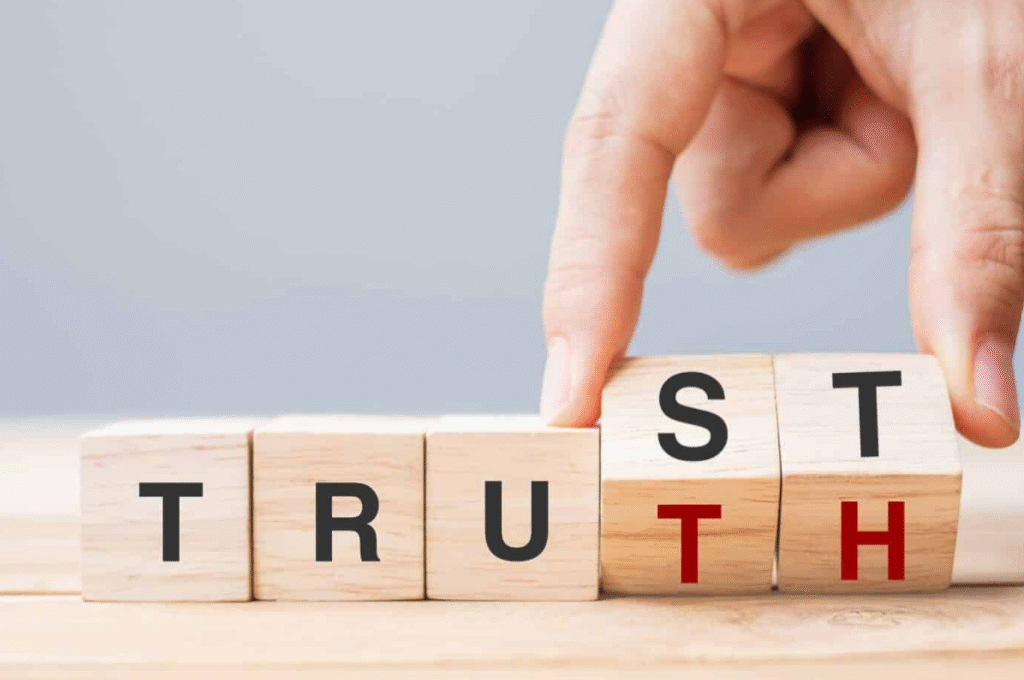

Honesty is the starting point of trust. Without it, a relationship becomes shaky and full of doubts.
Being honest means:
- Telling the truth even when it’s uncomfortable
- Sharing your feelings rather than hiding them
- Being open about your past if it affects your present
- Admitting mistakes instead of covering them up
Openness builds emotional intimacy. When your partner feels they can rely on your words, it strengthens the entire bond.
Why it matters:
When partners hide things—big or small—it creates suspicion. Over time, these small cracks turn into huge gaps. But when honesty becomes a habit, trust grows naturally.
2. Keep Your Promises and Follow Through
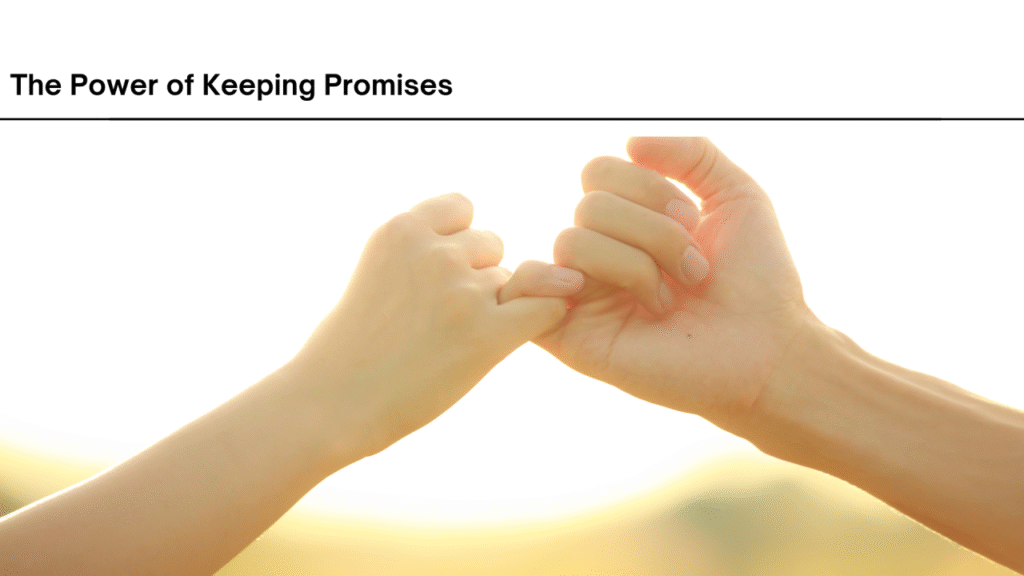
Reliability is one of the strongest signs of trustworthiness. Doing what you say you’ll do may seem simple, but it speaks volumes about your commitment.
This includes:
- Showing up when you say you will
- Keeping personal promises
- Following through on plans
- Being consistent with your actions
When your partner knows they can count on you, the relationship feels safe and stable.
Why it matters:
Broken promises create disappointment and insecurity. Consistency shows that your words have meaning, which builds long-term trust.
3. Communicate Clearly, Calmly, and Respectfully
Communication is not just about talking—it’s about understanding. Many trust issues come from poor communication or unspoken expectations.
Healthy communication includes:
- Listening without judging
- Expressing your thoughts clearly
- Avoiding blame or harsh language
- Using “I feel” statements instead of accusations
- Being patient during disagreements
When both partners feel heard, trust grows effortlessly.
Why it matters:
Confusion creates distance. Clear communication creates connection.
4. Respect Personal Boundaries

Boundaries are essential for emotional well-being. They aren’t restrictions—they are a form of love and respect.
Boundaries might include:
- Personal space and alone time
- Privacy
- Visiting friends and family
- Social media behavior
- Emotional limits
When you respect your partner’s boundaries without questioning them, you show maturity and care. They feel valued and understood.
Why it matters:
Trust thrives where there is respect. Ignoring boundaries makes your partner feel controlled or unsafe.
5. Be Consistent in Your Behavior
Trust doesn’t come from one good moment; it comes from repeated actions over time. When your behavior is predictable and stable, it reassures your partner.
Consistency looks like:
- Being emotionally stable
- Showing affection regularly
- Offering support during stress
- Being dependable in daily life
When you show the same kind of reliability every day, trust deepens.
Why it matters:
Inconsistency creates confusion. Consistency builds certainty.
6. Support Each Other During Good and Bad Times

A strong relationship isn’t built only during happy moments. True trust is created during tough times—when you choose to stay supportive, patient, and kind.
Support may look like:
- Encouraging your partner’s goals
- Listening when they feel overwhelmed
- Comforting them during challenges
- Celebrating progress, even small wins
- Being present when they need you
Why it matters:
Support shows loyalty. When your partner knows you’ll stand beside them, trust naturally becomes stronger.
7. Learn to Forgive and Move Forward
Every relationship faces challenges. Mistakes happen, misunderstandings occur, and emotions get messy. Forgiveness is a key part of rebuilding trust.
Forgiveness means:
- Acknowledging the hurt
- Talking through the issue
- Understanding each other’s perspective
- Letting go of resentment
- Choosing to rebuild rather than walk away
Why it matters:
Without forgiveness, small conflicts turn into long-term bitterness. With forgiveness, couples grow closer and stronger
8. Show Appreciation Often

Trust grows in an environment of gratitude. When partners notice and appreciate each other’s efforts, the relationship becomes more positive and secure.
Try simple expressions like:
- “Thank you for being there.”
- “I appreciate how you handled that.”
- “I love when you do this for us.”
Why it matters:
Feeling valued strengthens emotional bonds. It reminds your partner they matter to you.
9. Be Emotionally Available
Trust requires emotional openness. Your partner should feel they can come to you without fear of being ignored or judged.
Being emotionally available means:
- Acknowledging their feelings
- Sharing your own emotions
- Being present during deep conversations
- Showing empathy and understanding
Why it matters:
Emotional availability creates a safe space where trust can flourish.
10. Avoid Behaviors That Damage Trust

Just as trust can be built, it can also be broken. Being aware of trust-damaging behaviors helps you avoid them.
These include:
- Lying, even small lies
- Hiding things intentionally
- Being overly secretive
- Avoiding communication
- Comparing your partner to others
- Breaking promises
- Talking negatively about them to others
Why it matters:
Trust takes time to build but only moments to damage. Awareness is the first step in protecting it.
Final Thoughts
Building trust in a relationship that lasts isn’t about grand gestures. It’s about small, meaningful actions repeated consistently. When honesty, respect, communication, and support become part of your daily routine, trust grows naturally.
This article is meant for general informational purposes only and should not be taken as professional advice. Every relationship is unique, and what works for one couple may not work for another. If you’re experiencing serious relationship issues, consider speaking with a licensed therapist, counselor, or qualified professional for personalized guidance.
#RelationshipTips #BuildTrust #HealthyRelationships #LoveAdvice #CoupleGoals #RelationshipGuide #EmotionalWellness #GrowingTogether #Anslation #Carrerbook #LoveAndTrust #StrongRelationships #RelationshipHealing #CommunicationInLove #RelationshipGrowth #PartnersForLife #RelationshipBlog