
Taking care of your mind is just as important as taking care of your body. Yet most people don’t think about their mental wellness until stress, anxiety, or burnout shows up. The good news is that you don’t need complicated routines or expensive tools to feel better. With a few simple habits, you can create a healthier mindset and improve your emotional balance.
This beginner’s guide walks you through what mental wellness really means and how you can start strengthening it today.
What Is Mental Wellness?

Mental wellness is the ability to handle daily stress, stay balanced, and feel positive about life. It’s not about being happy all the time. Instead, it’s about building resilience, creating healthy thinking patterns, and knowing how to take care of your emotional needs.
When your mental wellness is strong, you feel more focused, confident, and capable of dealing with challenges. When it’s weak, even small problems can feel overwhelming.
Why Mental Wellness Matters
Good mental wellness affects almost every part of your life, including:
- Your mood: You feel calmer and more stable.
- Your decisions: You think more clearly and avoid impulsive choices.
- Your relationships: You communicate better and manage conflicts more easily.
- Your productivity: You stay focused and finish tasks without feeling drained.
- Your physical health: Better sleep, stronger immunity, and fewer stress symptoms.
Taking care of your mind isn’t a luxury. It’s something everyone needs.
1. Start With Self-Awareness
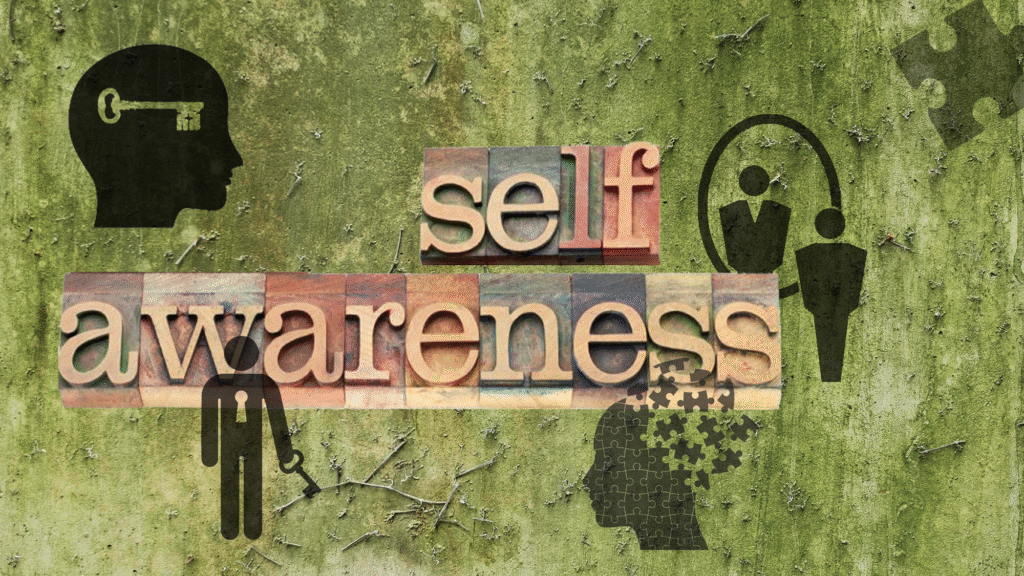
Improving mental wellness begins by understanding yourself. This means noticing what drains you, what energizes you, and how your thoughts influence your emotions.
Try these simple steps:
- Spend a few minutes each day reflecting on how you feel.
- Keep a small journal to track your mood and thoughts.
- Identify stress triggers—workload, social pressure, lack of rest, etc.
When you become aware of your emotions, you’re better prepared to manage them.
2. Build a Supportive Daily Routine
A routine doesn’t have to be strict. It’s simply a structure that helps your mind feel safe and organized.
Include a few basic habits:
- Wake up and sleep at the same time daily.
- Eat regular meals with balanced nutrition.
- Make space for relaxation, even if it’s just 10 minutes.
A stable routine can reduce anxiety and increase your sense of control.
3. Practice Mindfulness and Breathing

Mindfulness teaches you to slow down and stay present. You don’t need long meditation sessions. Start with small steps.
Try this quick exercise:
- Sit comfortably.
- Take a deep breath in for four seconds.
- Hold for two seconds.
- Exhale for six seconds.
- Repeat for one minute.
This simple practice reduces stress and calms your nervous system almost instantly.
4. Move Your Body Regularly


Physical activity is one of the most powerful tools for better mental health. It releases endorphins, reduces anxiety, and improves your mood.
Easy ways to move your body:
- Take a 10–20 minute walk.
- Stretch when you wake up.
- Try yoga or simple home exercises.
- Dance to your favorite song.
You don’t need an intense workout—consistency matters more than effort.
5. Set Healthy Boundaries
Mental wellness improves when you protect your time and energy. This means learning when to say no.
Examples of healthy boundaries:
- Limiting work outside office hours.
- Avoiding people who drain you emotionally.
- Taking breaks when you feel overwhelmed.
- Allowing yourself time alone without guilt.
Boundaries help you stay balanced and prevent burnout.
6. Stay Connected With Supportive People

Humans aren’t meant to deal with life alone. Talking to someone you trust can immediately reduce stress.
Try connecting through:
- Regular conversations with a close friend
- Quality time with family
- Support groups or online communities
- Talking to a counselor or therapist if needed
Positive relationships create emotional comfort and a sense of belonging.
7. Reduce Digital Overload
Constant notifications, social media scrolling, and screen time can exhaust your mind.
Simple digital detox ideas:
- Turn off non-essential notifications.
- Avoid checking your phone first thing in the morning.
- Set a time limit for social apps.
- Keep your phone away during meals or before bed.
Your mind needs quiet moments to recharge.
8. Prioritize Rest and Sleep


Sleep affects everything—from your emotions to your memory. When you sleep well, you think better, feel better, and handle stress more easily.
Improve your sleep by:
- Keeping a fixed bedtime
- Avoiding screens 30 minutes before bed
- Creating a calm sleeping environment
- Drinking warm water or herbal tea in the evening
Aim for 7–9 hours of restful sleep every night.
9. Celebrate Small Wins
Mental wellness grows through daily progress, not perfection. Even small steps—like drinking enough water or taking a walk—count as achievements.
Try this:
At the end of the day, write down one thing you did well.
This simple habit strengthens self-confidence and positive thinking.
Final Thoughts
Improving your mental wellness isn’t about making huge changes overnight. It’s about taking small, steady steps that help you feel more grounded and balanced. As you practice these habits, you’ll notice a shift in your mindset and overall well-being.
Remember, there’s no right or wrong way to start. What matters is that you begin—and stay consistent at your own pace.
This blog is meant for informational purposes only and should not be considered professional medical or mental health advice. Everyone’s situation is different, so always consult a qualified healthcare provider, therapist, or mental health professional for personalized guidance. If you are experiencing severe stress, anxiety, depression, or any mental health emergency, seek immediate help from a licensed professional or contact your local emergency services.
#MentalWellness #MindHealth #EmotionalWellbeing #SelfCareDaily #Anslation #Carrerbook #StressReliefTips #MindfulnessPractice #HealthyMindset #WellnessJourney #MentalHealthMatters #CalmMind