
It’s 6:30 PM after a long, exhausting workday. Cooking feels impossible, so you grab a frozen meal or instant ramen. These convenient choices are often linked to ultra processed foods, making it important to understand what they contain and how they affect your diet.
In under five minutes, dinner is served. It’s piping hot, surprisingly savory, dirt cheap, and required practically zero mental effort.
In recent years, warnings about Ultra-Processed Foods (UPFs) have taken over news headlines, wellness podcasts, and social media feeds. Self-proclaimed wellness coaches tell everyone to “purge their pantries,” throw out anything with a barcode, and cook every single meal from scratch using raw, single-ingredient whole foods.
When you’re trying to balance a career, care for a family, manage bills, or simply survive a chaotic week, that kind of advice doesn’t just sound unrealistic—it feels completely out of touch.
So, what is the actual truth behind the noise? Are packaged foods secretly destroying our health? Do you really have to quit them cold turkey to live a long, vibrant life?
The short answer is no. Nutrition is almost never a black-and-white choice between “clean” and “toxic.” Understanding what ultra-processed foods actually are, why our brains find them so irresistible, and how to make sensible, low-stress adjustments puts you back in the driver’s seat—without requiring you to sacrifice convenience or the simple pleasure of eating.
What Exactly Is an Ultra-Processed Food?
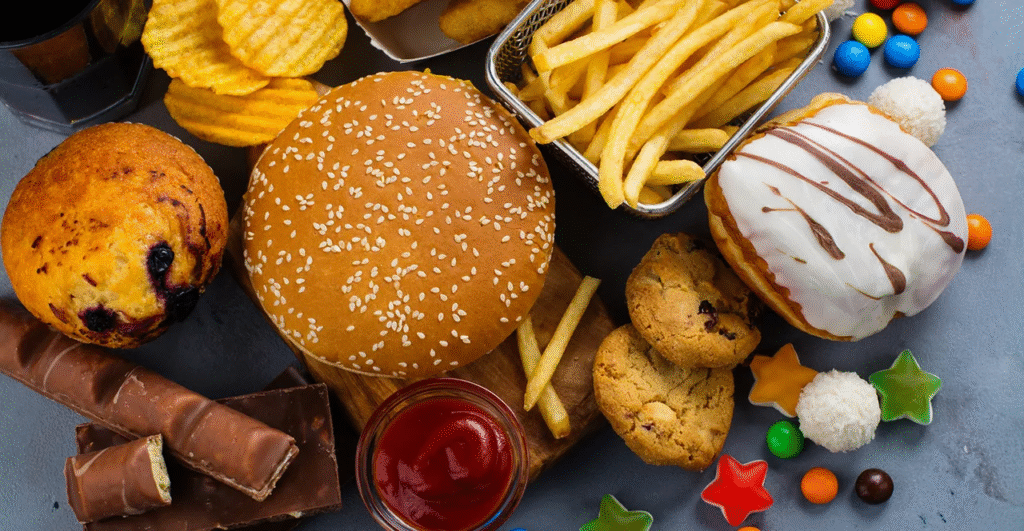
To get a clear handle on ultra-processed foods, we first need to bust a massive modern myth: processing itself is not the enemy.
Virtually everything we eat undergoes some level of processing before it reaches our plates. Chopping vegetables, grinding coffee beans, pasteurizing milk to eliminate harmful bacteria, flash-freezing fresh spinach at peak harvest, or pressing olives for oil are all basic forms of food processing. They make our food safer, cleaner, easier to digest, and vastly easier to store.
To help scientists and consumers categorize different levels of food preparation, public health researchers developed the NOVA Classification System. NOVA divides everything we eat into four distinct categories based on what actually happens to the food before it hits the store shelves:
| Group | Category | Description | Everyday Examples |
| Group 1 | Unprocessed or Minimally Processed | Whole foods in their natural state, or slightly cleaned, peeled, ground, or frozen. Nothing added. | Fresh apples, raw oats, plain frozen peas, eggs, pasteurized milk. |
| Group 2 | Processed Culinary Ingredients | Basic substances extracted directly from Group 1 foods used to season and cook meals at home. | Olive oil, butter, sea salt, cane sugar, honey. |
| Group 3 | Processed Foods | Simple items made by combining Group 1 foods with Group 2 culinary ingredients. | Freshly baked sourdough, canned beans in salted water, aged cheese. |
| Group 4 | Ultra-Processed Foods (UPFs) | Industrial formulations built primarily from chemically modified food extracts and specialized additives. | Sodas, packaged chips, instant noodles, candy bars, mass-produced nuggets. |
The Core Difference: Industrial Formulation
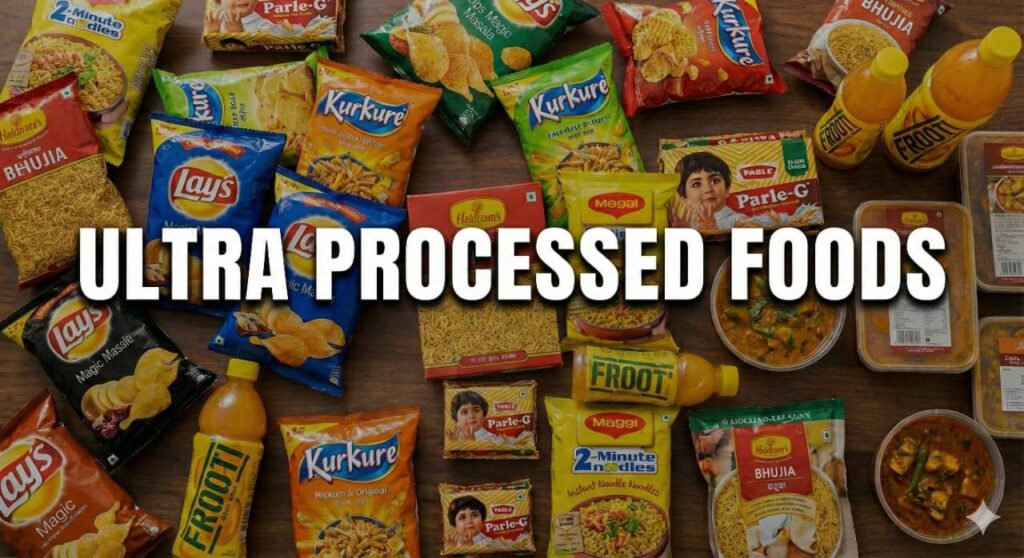
The defining feature of an ultra-processed food isn’t just that a machine was involved in making it. It comes down to how it is formulated.
Rather than using whole, recognizable ingredients, manufacturers take low-cost agricultural commodities—such as corn, soy, wheat, and sugar beets—and refine them down to isolated base extracts (like high-fructose corn syrup, modified starches, hydrogenated oils, and protein isolates).
They then reconstruct these refined, low-cost base components using specialized industrial additives:
- Emulsifiers (such as soy lecithin, polysorbate 80, or carboxymethylcellulose) to stop oil and water from separating, creating a smooth, velvety texture.
- Flavor Enhancers (such as artificial flavorings or yeast extracts) to restore taste lost during intense factory heat processing.
- Texturizers and Thickeners to give inexpensive ingredients a rich, creamy, or crisp texture.
- Preservatives and Colorings so products maintain an attractive appearance and remain shelf-stable for months or years.
When you flip a package over, read the ingredient list, and spot a long line of chemical names you wouldn’t keep in a domestic pantry, you are holding an ultra-processed product.
Everyday UPF Examples
- Breakfast Items: Sweetened boxed cereals, flavored instant oatmeal sachets, commercial breakfast pastries, and mass-market sliced breads.
- Snacks & Sweets: Potato chips, packaged cookies, chocolate bars, energy/protein bars, and flavored puffed snacks.
- Convenience Meals: Frozen pizzas, instant noodle packets, factory-shaped chicken nuggets, hot dogs, and canned condensed soups.
- Beverages: Carbonated soft drinks, commercial energy drinks, pre-sweetened iced teas, and fruit-flavored drinks with minimal real juice content.
Why Have UPFs Taken Over Modern Diets?
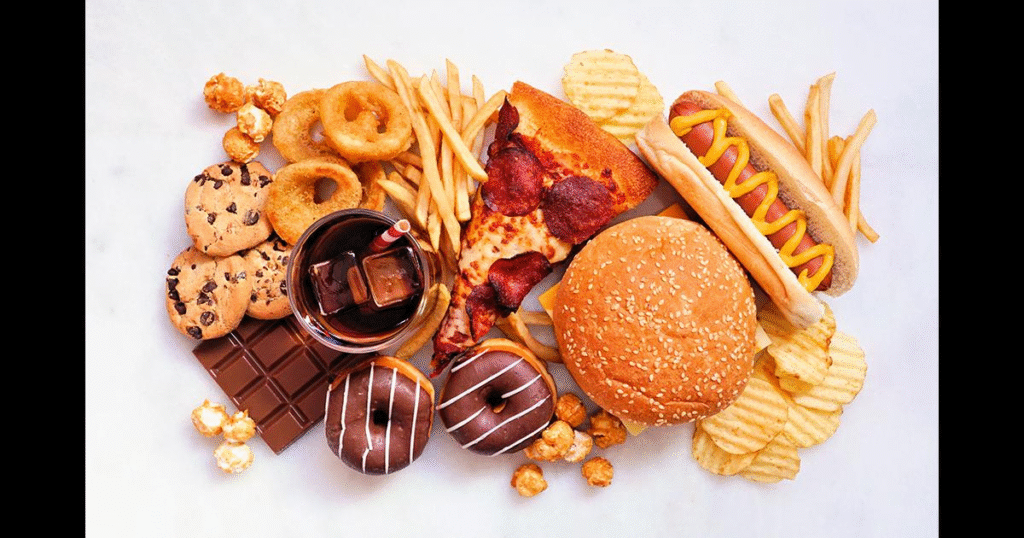
Ultra-processed foods didn’t come to dominate modern grocery stores by accident. They solve very real, practical challenges in everyday life:
1. Speed and Unmatched Convenience
In households where adults work extended hours, daily time and energy are limited resources. Preparing a meal from raw ingredients demands planning, washing, chopping, cooking, and cleanup. In contrast, a UPF meal often requires nothing more than adding hot water or microwaving a tray for three minutes.
2. Affordability Per Calorie
Mass-scale manufacturing—supported by agricultural subsidies for major staple crops—enables food corporations to supply energy-dense products at low retail prices. In many markets, ultra-processed items offer far more calories per dollar than fresh fish, raw nuts, or fresh produce.
3. Extended Shelf Life
Fresh whole foods perish quickly—berries mold within days, and leafy greens wilt in a week. UPFs are engineered with preservatives and protective packaging, allowing them to remain stable in pantries or store displays for extended periods without spoiling.
4. Flavor Science and the “Bliss Point”
Food manufacturers employ sensory scientists to design formulations that hit what the industry calls the “bliss point.” This is a precise combination of sugar, salt, fat, and crunch engineered to maximize immediate eating pleasure while delaying fullness signals, making these foods uniquely easy to overconsume.
Are All Processed Foods Unhealthy?
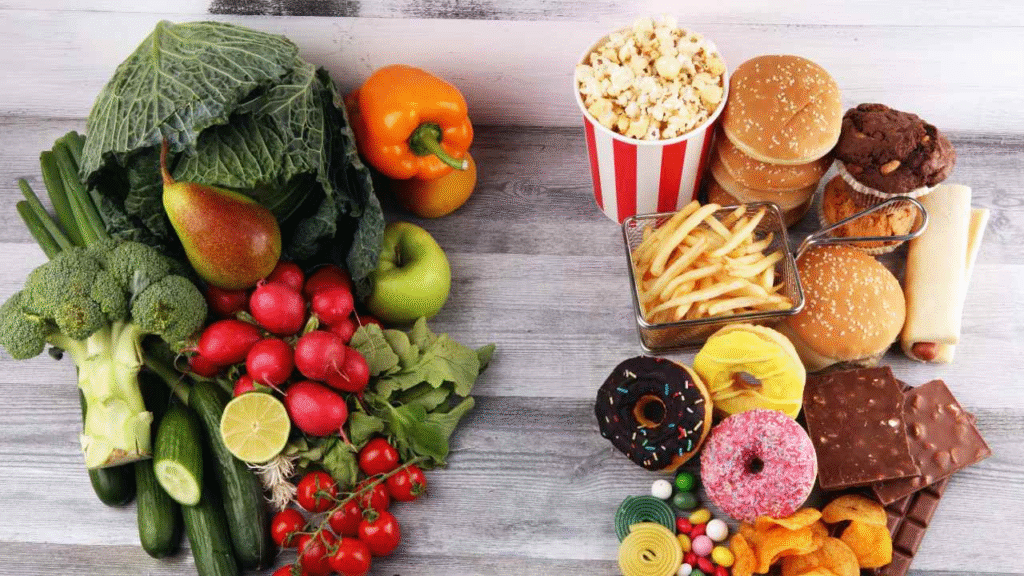
No. This is where well-intentioned health advice often generates unhelpful confusion and food guilt.
It is essential to distinguish between heavily engineered industrial products and simple, minimally processed whole foods that nourish your body while saving valuable time:
| Level of Processing | Example Product | Nutritional Profile |
| Minimally Processed | Flash-Frozen Broccoli | Preserves natural fiber, vitamin C, and dietary minerals. |
| Processed | Canned Chickpeas | High in plant protein and fiber; safe, simple, and shelf-stable. |
| Ultra-Processed | Cheese-Flavored Corn Puffs | Composed of refined cornmeal, palm oil, artificial flavorings, and negligible fiber. |
- Flash-Frozen Vegetables: Produce is frozen shortly after harvest, locking in key nutrients. A bag of plain frozen broccoli contains no chemical additives and offers nutrition comparable to fresh produce.
- Canned Beans and Lentils: Canned legumes are cooked and sealed for food safety and shelf longevity, providing an affordable, fiber-rich protein option for quick meals.
- Pasteurized Dairy and Plain Yoghurt: Pasteurization renders milk safe for consumption. Plain Greek yoghurt provides quality protein, calcium, and beneficial gut cultures.
Eliminating all processed foods would mean removing some of the most practical, nutritious, and cost-effective staples available today.
What Science Reveals About UPFs and Health
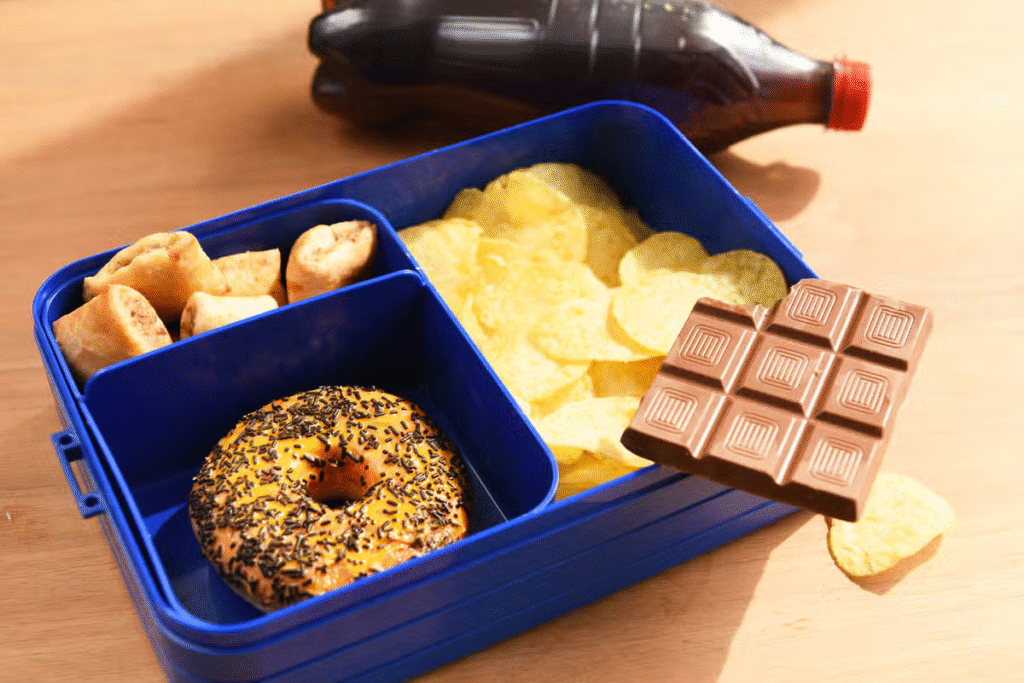
Over the past decade, widespread epidemiological studies involving hundreds of thousands of participants worldwide have documented clear associations between high UPF consumption and various long-term health outcomes.
1. Observational Findings
Large population studies consistently show that diets high in ultra-processed foods correlate with an increased risk of:
- Type 2 diabetes and reduced insulin sensitivity
- Cardiovascular issues and elevated blood pressure
- Higher rates of weight gain and obesity
- Shifts in gut microbiome diversity and digestive health
2. Controlled Inpatient Clinical Evidence
To evaluate how UPFs influence energy intake, researchers led by Dr. Kevin Hall at the U.S. National Institutes of Health conducted a closely monitored controlled trial.
Participants stayed inside a specialized research facility for four weeks. For two weeks, one group consumed an ultra-processed diet, while the other consumed an unprocessed whole-food diet. The groups then switched protocols.
Both dietary phases were carefully designed to present equal totals of calories, carbohydrates, fat, protein, sugar, sodium, and dietary fiber on the trays. Participants were allowed to eat as much or as little as they wanted.
| Phase | Food Attributes | Eating Behavior | Result |
| Ultra-Processed Diet | Soft texture, low physical structure, easy to chew | Consumed at a significantly faster rate; delayed satiety feedback | Participants ate ~500 extra calories per day and gained ~2 lbs over 14 days |
| Unprocessed Whole-Food Diet | Intact food structure, firmer texture, requires chewing | Consumed more slowly; natural fullness cues activated | Participants naturally reduced calorie intake and lost weight without restriction |
Why did this occur? Ultra-processed foods are typically soft, energy-dense, and stripped of their natural food matrix. They are consumed quickly. Because internal satiety signals take roughly 20 minutes to register in the central nervous system, consuming soft, hyper-palatable foods rapidly can lead to eating beyond your energy needs before your body senses fullness.
A Quick 5-Point UPF Checklist
You don’t need a background in food science to evaluate products at the grocery store. When checking a label, run through these simple observations:
- Lengthy Ingredient List: Are there more than 5 or 6 listed ingredients?
- Unfamiliar Substances: Do you see ingredients like “high-fructose corn syrup,” “partially hydrogenated oil,” or “isolated soy protein”?
- Texture Modifiers: Are emulsifiers, gums, or thickeners listed?
- Unusually Long Shelf Life: Can the item remain at room temperature for a year or more without deteriorating?
- Prominent Front Packaging Claims: Does the box emphasize health slogans (“Low Fat,” “Enriched with Vitamins”) to highlight specific features over a refined ingredient base?
If several of these apply, the item is likely an ultra-processed product.
Practical, Low-Stress Food Swaps
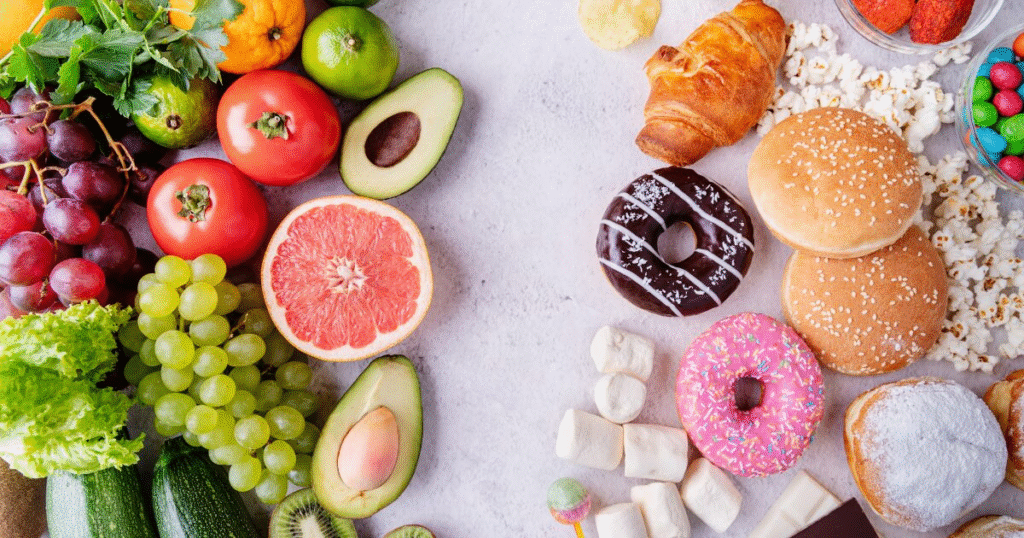
Upgrading your diet doesn’t require reinventing your routine overnight. Incremental changes yield sustainable results over time.
| Instead of (UPF) | Consider This (Minimally Processed) |
| Heavily sweetened boxed cereal | Rolled oats cooked with milk or water, topped with sliced fruit and chopped nuts |
| Seasoned potato chips | Air-popped popcorn, roasted chickpeas, or a handful of plain roasted nuts |
| Pre-flavored sweetened yoghurt | Plain Greek yoghurt stirred with a touch of honey and fresh or frozen berries |
| Commercial sodas or energy drinks | Sparkling water with a squeeze of fresh lemon, lime, or a splash of 100% juice |
| Instant noodle packs with seasoning pouches | Quick-cooking noodles prepared in a simple vegetable broth with a poached egg and frozen greens |
5 Down-to-Earth Habits for Busy Schedules
If you want to reduce your UPF intake while keeping meal times manageable, consider these actionable steps:
1. Stock Up on Quick Whole-Food Staples
Keep your kitchen supplied with low-prep, minimally processed options:
- Canned Beans: Chickpeas, black beans, and lentils (rinse and add directly to salads, soups, or grain bowls).
- Frozen Produce: Frozen berries, spinach, broccoli, and stir-fry mixes (no washing or chopping required).
- Convenient Proteins: Eggs, canned tuna in olive oil, plain yoghurt, and firm tofu.
2. Cook Double Portions for Easy Meals
When preparing a basic meal—such as roasted vegetables and chicken, a pot of lentil soup, or a simple grain dish—make extra. Pack the remaining portions into containers for lunch the next day. Having prepared food ready in the fridge reduces reliance on last-minute takeout or packaged meals.
3. Keep Unprocessed Snacks Visible
We often consume UPFs because they are the most accessible options in the moment. Make whole foods just as convenient:
- Keep a bowl of fresh fruit on the counter.
- Store hard-boiled eggs or washed raw veggies in the fridge.
- Pack small portions of walnuts, almonds, or pumpkin seeds in your bag or work desk.
4. Focus on Crowding In Good Options
Rather than focusing strictly on what to restrict, concentrate on adding nutritious foods to your routine. Include an extra serving of vegetables with dinner, add berries to breakfast, or drink more water throughout the day. Increasing your intake of fiber-dense whole foods naturally satisfies appetite.
5. Involve Others at Home
If you live with family or housemates, share the process. Practice reading basic food labels together, cook simple meals as a group, and explore raw ingredients. Building familiar cooking habits makes balanced eating a shared, normal part of daily life.
Building a Sustainable Mindset: The 80/20 Approach

Food serves as much more than biological fuel or a collection of macros. It plays a central role in culture, family traditions, social gatherings, and personal enjoyment. Celebrating with cake at a birthday, sharing popcorn at the movies, or enjoying an ice cream on a warm day are meaningful parts of living fully.
Attempting to follow a “100% processed-free” rule can lead to unnecessary food anxiety, social difficulty, and burnout.
A more balanced, realistic framework is the 80/20 Approach:
- 80% of the Time: Focus your routine on whole, nutrient-dense foods—vegetables, fruits, whole grains, legumes, nuts, seeds, eggs, and quality proteins.
- 20% of the Time: Allow room for convenience items, busy workdays, social occasions, and packaged foods without guilt.
FAQs
Are ultra-processed foods actually bad, or is it just social media drama?
The risk is real—diets heavy in UPFs are linked to heart issues and weight gain, mainly because they are designed to taste amazing and swallow fast before your brain realizes you are full.
What’s the real difference between “processed” and “ultra-processed”?
Processed foods simply preserve real ingredients using basic kitchen staples like salt or freezing, while ultra-processed foods are factory creations built from isolated extracts, emulsifiers, and artificial flavorings.
Do I have to quit UPFs completely to be healthy?
Not at all—aiming for 100% perfection leads to burnout, so follow the 80/20 rule by eating whole foods most of the time and leaving room for convenience without guilt.
How do I spot a UPF in 3 seconds at the store?
Flip the package and scan the ingredient list for long lists filled with chemical-sounding terms, hydrogenated oils, or emulsifiers you wouldn’t keep in a domestic pantry.
Are all frozen or canned packaged foods off-limits?
No way—plain frozen veggies, canned beans, canned tuna, and plain Greek yoghurt are budget-friendly lifesavers that preserve nutrients and save heaps of prep time without industrial additives.