
Choosing the right hospital is one of the most important decisions a person can make when it comes to healthcare. Whether it is for a routine medical checkup, a planned surgery, emergency care, or long-term treatment, the quality of the hospital you choose can significantly impact your overall healthcare experience and outcomes.
Many people often make the mistake of selecting a hospital based only on location or convenience. While proximity is certainly important, especially during emergencies, several other factors should influence your decision. The right hospital is not simply the one closest to your home. It is the one that offers the best medical care, experienced healthcare professionals, advanced facilities, patient-centered services, and a strong reputation for successful treatment outcomes.
Healthcare today is more advanced and specialized than ever before. Hospitals now offer highly focused services, innovative medical technologies, and personalized treatment approaches. This makes choosing the right hospital both easier and more challenging. Easier because there are many excellent options available, and more challenging because the abundance of choices can feel overwhelming.
Understanding what to look for in a hospital can help you make a confident and informed decision that protects your health and ensures the best possible care.
Why Choosing the Right Hospital Matters

A hospital is more than just a building where medical treatment takes place.
It is an environment where critical decisions are made, where patients receive support during vulnerable moments, and where the quality of care directly influences recovery and overall well-being.
Choosing the right hospital matters because medical care varies significantly between institutions.
Some hospitals excel in emergency care, while others are known for specialized surgeries, advanced diagnostic services, maternity care, or chronic disease management.
The right hospital can mean faster diagnosis, more effective treatment, shorter recovery times, and a better patient experience.
It can also provide peace of mind.
Knowing that you are receiving treatment from trusted professionals in a well-equipped facility reduces stress and allows you to focus on recovery.
Healthcare decisions often come during emotional or urgent situations.
Making thoughtful choices ahead of time can help avoid rushed decisions later.
Understanding Your Healthcare Needs
The first step in choosing the right hospital is understanding your specific healthcare needs.
Different hospitals offer different strengths.
A person seeking maternity care will have very different priorities than someone looking for cardiac treatment or orthopedic surgery.
Before choosing a hospital, consider the type of care you require.
Are you looking for preventive health screenings?
Do you need specialized treatment for a chronic condition?
Are you preparing for a surgical procedure?
Will ongoing rehabilitation or follow-up care be necessary?
Clarifying your healthcare needs helps narrow your options.
It allows you to focus on hospitals with expertise in the specific area of treatment you require.
This targeted approach increases your chances of receiving the highest quality care.
Evaluating Hospital Reputation

A hospital’s reputation often reflects its quality of care, patient satisfaction, and medical outcomes.
Reputation is built over time through consistent service excellence, successful treatments, and trust within the community.
When evaluating a hospital, research what patients and healthcare professionals say about it.
Online reviews can offer insight into patient experiences, although they should be viewed alongside other factors.
Recommendations from trusted doctors, specialists, and family physicians can be especially valuable.
Healthcare professionals often know which hospitals excel in particular specialties.
A hospital with a strong reputation is more likely to have experienced staff, effective systems, and a commitment to high standards.
This does not always mean choosing the most famous hospital.
Sometimes regional hospitals offer exceptional care that rivals larger institutions.
The key is to focus on evidence of quality.
The Importance of Medical Expertise
The quality of doctors, nurses, and specialists is one of the most important factors when choosing a hospital.
Advanced equipment and modern facilities are valuable, but skilled healthcare professionals remain the foundation of excellent care.
Look into the qualifications and experience of the hospital’s medical staff.
Hospitals with board-certified specialists, experienced surgeons, and multidisciplinary care teams often provide stronger outcomes.
Nursing care is equally important.
Nurses are often the primary point of contact for patients during treatment and recovery.
A hospital with highly trained nursing staff usually provides better patient support and monitoring.
Medical expertise becomes especially critical for complex treatments and surgeries.
Choosing a hospital with specialists who regularly handle your condition can improve both safety and results.
Technology and Modern Facilities

Medical technology plays a major role in healthcare quality.
Hospitals with advanced diagnostic tools, modern operating rooms, and innovative treatment systems are often better equipped to deliver precise and effective care.
Technology improves diagnosis accuracy.
It allows doctors to detect conditions earlier and create more targeted treatment plans.
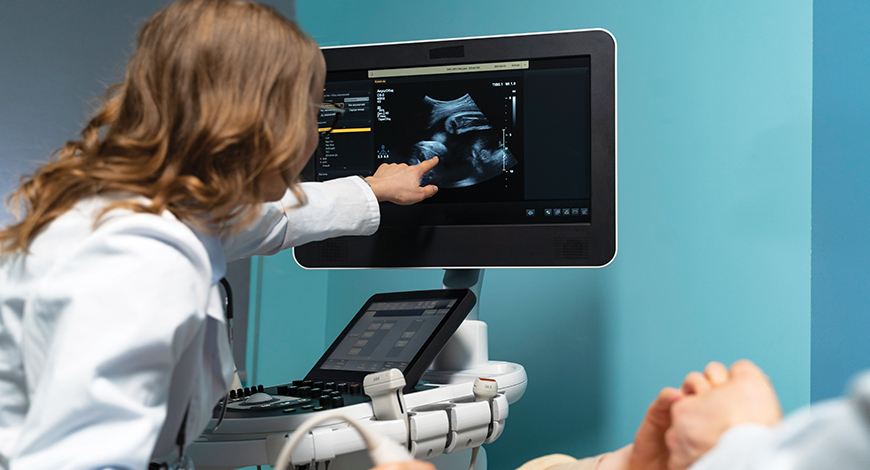
Modern imaging systems, robotic-assisted surgery, minimally invasive procedures, and digital health records all contribute to better patient experiences.
Clean, organized, and well-maintained facilities also reflect a hospital’s overall commitment to quality.
A hospital environment should feel safe, hygienic, and professionally managed.
This matters not only for comfort but also for infection prevention and overall patient confidence.
Specialized Services and Departments
Not all hospitals provide the same services.
Some are general hospitals, while others focus heavily on specialized care such as cardiology, oncology, neurology, orthopedics, or pediatric medicine.
If you require specialized treatment, choose a hospital with a strong department dedicated to that field.
Specialized hospitals often have better expertise, more advanced equipment, and treatment protocols designed specifically for certain conditions.
Even if you do not currently need specialized care, it can be helpful to choose a hospital with a broad range of services.
This ensures continuity of care if your healthcare needs change in the future.
Emergency Care Availability

Emergency care is one of the most critical aspects to consider.
A hospital’s ability to respond quickly and effectively during urgent situations can save lives.
Look for hospitals with well-equipped emergency departments and 24-hour services.
Response times, emergency staffing, and access to specialists all influence the quality of urgent care.
Location also matters here.
During emergencies, proximity can be extremely important.
Choosing a trusted hospital within reasonable travel distance provides added security.
Even if your primary focus is routine care, understanding emergency capabilities is essential.
Insurance and Affordability
Healthcare costs can vary significantly between hospitals.
Choosing a hospital that works with your health insurance provider can reduce financial stress and make treatment more accessible.
Before making a decision, confirm whether the hospital accepts your insurance plan.
Ask about estimated costs for consultations, procedures, diagnostic tests, and follow-up care.
Transparency in billing is a strong indicator of professionalism.
Affordability should never mean compromising on care quality.
The goal is to find a balance between excellent medical services and manageable costs.
Some hospitals also offer financial counseling or payment assistance programs.
These options can be valuable when planning major procedures.
Patient Experience and Comfort
A hospital’s approach to patient care extends beyond medical treatment.
Comfort, communication, and emotional support are equally important.
Hospitals that prioritize patient-centered care often provide better overall experiences.

This includes clear communication from doctors, respectful staff interactions, comfortable facilities, and support services for families.
Good communication is especially important.
Patients should feel informed about their diagnosis, treatment options, and recovery process.
Hospitals that encourage questions and involve patients in decision-making create greater trust and satisfaction.
Comfortable rooms, organized scheduling, and attentive support staff can also significantly improve recovery experiences.
Accreditation and Quality Standards
Hospital accreditation is a strong indicator of quality.
Accreditation means the hospital has met established healthcare standards through independent evaluation.
Accredited hospitals typically follow strict protocols for safety, hygiene, patient care, and operational excellence.
This offers reassurance that the hospital is committed to maintaining high standards.
Quality certifications and awards can provide additional confidence.
While they should not be the only deciding factor, they are valuable indicators of institutional excellence.
Accessibility and Convenience
Accessibility is another practical factor to consider.
A hospital should be easy to reach and convenient for follow-up visits.
Long travel times can add stress, especially during ongoing treatment.
Consider parking availability, transportation access, appointment scheduling systems, and outpatient support services.
Hospitals that offer digital appointment booking, telemedicine options, and efficient scheduling often provide greater convenience.
These factors may seem minor, but they can significantly affect the overall healthcare experience.
Trust Your Instincts
While research and data are essential, personal impressions also matter.
When visiting or interacting with a hospital, pay attention to how it feels.
Does the staff seem attentive and professional?
Are your questions answered clearly?
Does the environment feel organized and reassuring?
Trust your instincts.
Healthcare is deeply personal.
Feeling comfortable and confident in your chosen hospital is an important part of the decision.
Making the Final Choice
Choosing the right hospital requires balancing multiple factors.
Medical expertise, facilities, specialization, affordability, reputation, and accessibility all play a role.
There is rarely a perfect hospital for every situation.
The best choice is the one that aligns most closely with your specific healthcare needs and priorities.
Taking time to research and evaluate your options can lead to better care and greater peace of mind.
FAQs
1.Why is choosing the right hospital important?
Choosing the right hospital is important because it affects the quality of treatment, patient safety, recovery outcomes, and overall healthcare experience.
2.What should I look for when choosing a hospital?
You should consider medical expertise, hospital reputation, specialized services, technology, affordability, insurance coverage, and patient reviews.
3.How do I know if a hospital is reputable?You can assess reputation through patient feedback, doctor recommendations, accreditation, treatment success rates, and quality certifications.
4.Does location matter when choosing a hospital?
Yes, location matters, especially for emergency care and regular follow-up visits, but it should not be the only deciding factor.
5.Why is hospital accreditation important?
Accreditation shows that a hospital meets recognized standards for safety, quality, and patient care.