
Understanding Mental Wellness in Modern Life

Mental wellness has become one of the most important topics in today’s world. As life grows busier and more demanding, people everywhere are searching for ways to feel calmer, healthier, and emotionally balanced. Work pressure, academic stress, family responsibilities, social expectations, and constant digital distractions can slowly affect emotional health without people even realizing it.
Mental wellness is not simply about avoiding sadness or stress. It is about creating a healthy emotional state that allows people to handle challenges, maintain positive relationships, think clearly, and enjoy everyday life. Emotional balance does not mean feeling happy all the time. Instead, it means being able to manage emotions in a healthy and stable way.
In modern society, many people spend so much time focusing on physical appearance, career success, or financial goals that they forget to care for their emotional health. However, emotional wellness affects every part of life, including sleep, confidence, relationships, productivity, and overall happiness.
The good news is that mental wellness can improve through small but consistent lifestyle changes. Understanding emotional health is the first step toward building a calmer and more fulfilling life.
Why Emotional Balance Matters
Emotional balance helps people respond to life’s difficulties with greater strength and clarity. Everyone experiences stress, disappointment, fear, frustration, or sadness at different points in life. Emotional balance does not remove these feelings, but it helps prevent them from becoming overwhelming.
When emotional health is ignored, stress can build gradually over time. This may affect concentration, sleep quality, motivation, and physical energy levels. Many people begin feeling emotionally exhausted without understanding the cause.
Balanced emotional health allows individuals to think more clearly during difficult situations. It improves decision-making, communication, patience, and self-confidence. People who maintain emotional wellness often feel more connected to themselves and others.
Mental wellness also supports physical health. Emotional stress can affect the body in many ways, including headaches, sleep problems, fatigue, and low energy. When emotional balance improves, physical well-being often improves too.
A healthy mind creates a stronger foundation for daily life.
The Connection Between Mind and Body
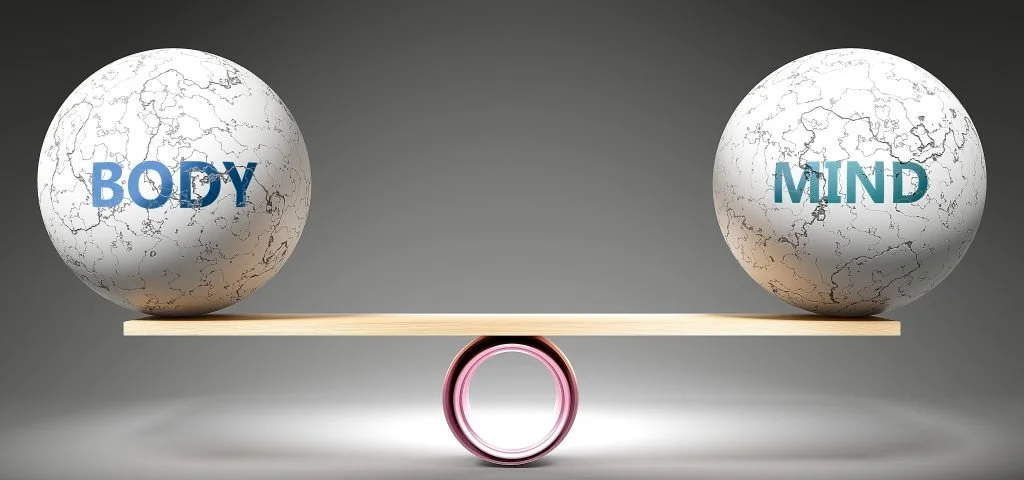
The human mind and body are deeply connected. Thoughts, emotions, and stress levels can directly influence physical health. Similarly, physical habits such as sleep, exercise, and nutrition affect emotional well-being.
When people experience long periods of stress, the body releases stress hormones that may increase tension, anxiety, and exhaustion. Over time, this can impact both mental and physical energy.
Regular movement and physical activity help release natural chemicals in the brain that improve mood and reduce emotional stress. Even simple activities like walking, stretching, dancing, or yoga can positively affect emotional health.
Nutrition also plays a major role in mental wellness. A balanced diet supports brain function, energy levels, and emotional stability. While no food can completely eliminate stress or sadness, healthy eating habits can improve overall mood and mental clarity.
Sleep is another critical factor. Lack of proper rest can make emotions feel stronger and harder to manage. Many people notice they become more irritable, anxious, or emotionally sensitive when they are sleep-deprived.
Taking care of the body is an important part of taking care of the mind.
Recognizing Emotional Stress
One challenge with emotional stress is that it often develops slowly. People sometimes become so used to pressure and exhaustion that they no longer recognize how emotionally drained they feel.
Common signs of emotional imbalance may include constant overthinking, irritability, lack of motivation, emotional exhaustion, difficulty concentrating, changes in sleep habits, or feeling disconnected from daily life.
Stress can also affect relationships. When people feel emotionally overwhelmed, communication may become more difficult. Small problems may feel larger than they actually are.
Recognizing emotional stress early is important because it allows people to make healthier adjustments before problems grow more serious. Emotional awareness is not weakness. In reality, it is a sign of emotional intelligence and self-understanding.
Learning to pause and notice emotional patterns can make a huge difference in long-term mental wellness.
The Importance of Self-Care
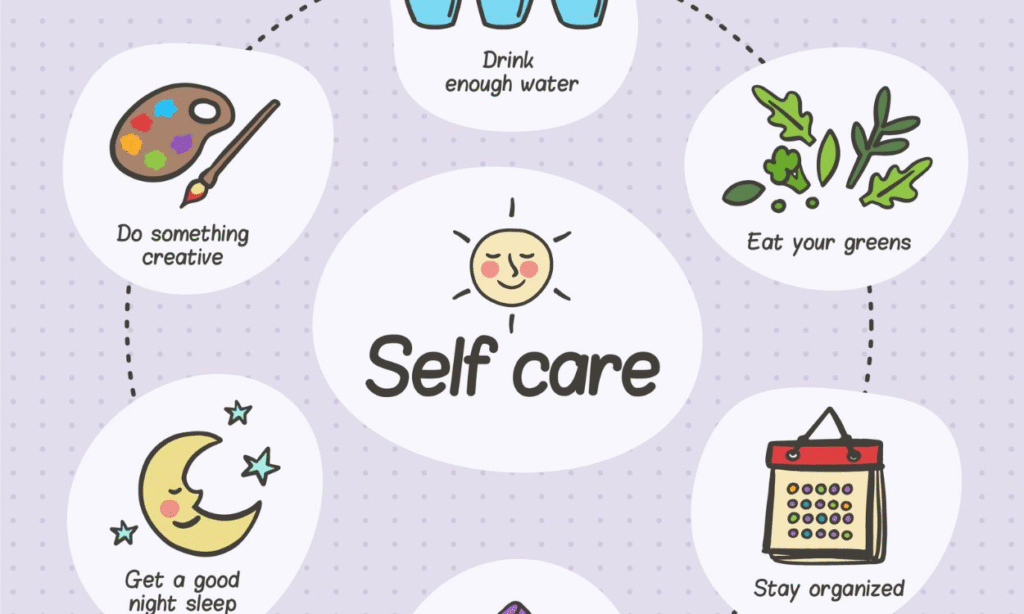
Self-care is often misunderstood as luxury or selfishness, but true self-care simply means taking time to support emotional and physical well-being.
Healthy self-care can include rest, hobbies, exercise, quiet time, healthy eating, spending time with loved ones, or engaging in activities that bring peace and joy. Self-care does not need to be expensive or complicated.
One of the biggest problems in modern life is constant overstimulation. Phones, social media, work notifications, and nonstop information can overwhelm the mind. Taking breaks from digital distractions can help restore emotional calmness.
Self-care also involves setting healthy boundaries. Many people become emotionally exhausted because they constantly prioritize others while ignoring their own needs.
Creating balance requires understanding personal limits and allowing time for recovery and relaxation.
Building Healthy Emotional Habits
Mental wellness is strongly connected to daily habits. Small routines repeated consistently can improve emotional stability over time.
Positive habits such as maintaining a regular sleep schedule, staying physically active, practicing gratitude, and spending time outdoors can significantly improve mood and emotional clarity.
Journaling is another helpful practice for emotional balance. Writing thoughts and feelings can help reduce mental pressure and improve self-awareness. Many people find it easier to understand emotions once they express them through writing.
Mindfulness is also becoming increasingly popular for emotional wellness. Mindfulness encourages people to focus on the present moment instead of constantly worrying about the future or replaying past problems.
Simple breathing exercises, meditation, or quiet reflection can help calm the mind during stressful situations.
Healthy emotional habits are not about perfection. They are about creating small moments of balance throughout everyday life.
Managing Anxiety and Overthinking
Anxiety and overthinking affect millions of people worldwide. In today’s fast-paced world, many individuals constantly worry about school, work, relationships, money, social expectations, or future uncertainty.
Overthinking often creates mental exhaustion because the brain struggles to relax. People may replay conversations, imagine worst-case scenarios, or continuously analyze problems they cannot fully control.
Managing anxiety begins with recognizing that not every thought requires immediate attention. The mind naturally produces many thoughts throughout the day, but emotional wellness improves when people learn not to become trapped by every fear or worry.
Breathing exercises, mindfulness practices, physical movement, and limiting excessive screen time can help reduce anxious thinking.
Talking openly with trusted friends, family members, or mental health professionals may also provide emotional relief and support.
Learning to manage anxiety does not happen overnight, but gradual progress can lead to noticeable emotional improvement over time.
The Role of Relationships in Mental Wellness

Human connection plays a powerful role in emotional health. Supportive relationships help people feel understood, valued, and emotionally safe.
Positive friendships and family relationships can reduce stress and improve emotional resilience during difficult times. On the other hand, unhealthy or toxic relationships may increase emotional exhaustion and anxiety.
Communication is an essential part of emotional balance. Many conflicts grow worse because people suppress emotions instead of expressing them calmly and honestly.
Healthy relationships involve mutual respect, listening, empathy, and emotional support.
Spending time with caring people can improve mood and create a stronger sense of belonging. Even simple conversations or shared experiences can positively affect emotional well-being.
At the same time, protecting emotional energy is important. Not every relationship is healthy, and learning to set boundaries may improve mental wellness significantly.
Social Media and Emotional Health
Social media has changed how people connect, communicate, and view themselves. While online platforms can provide entertainment and social interaction, they can also affect emotional health negatively when used excessively.
Constant comparison is one of the biggest emotional challenges linked to social media. People often compare their appearance, success, lifestyle, or relationships to carefully edited online content.
This can create feelings of insecurity, pressure, or dissatisfaction.
Social media can also contribute to information overload, anxiety, and reduced focus. Endless scrolling may prevent the mind from resting properly.
Creating healthier digital habits can improve emotional wellness. Taking breaks from social media, limiting screen time, and focusing on real-life experiences may help restore emotional balance.
Mental peace often grows stronger when people spend more time connecting with reality instead of constantly chasing online validation.
Finding Purpose and Meaning
Emotional wellness is closely connected to having a sense of purpose. People often feel emotionally stronger when they have goals, passions, or activities that create meaning in life.
Purpose does not always need to involve major achievements or career success. It can come from creativity, helping others, learning new skills, spending time with family, or pursuing personal growth.
People who feel emotionally disconnected sometimes struggle because daily life begins feeling repetitive or empty. Exploring interests, hobbies, and meaningful experiences can restore emotional energy and motivation.
Personal growth is an ongoing process. Emotional balance improves when people focus less on perfection and more on progress.
Life becomes healthier when individuals allow themselves to grow gradually without unrealistic pressure.
Seeking Professional Support

Sometimes emotional struggles become too heavy to manage alone, and seeking professional support can be incredibly valuable.
Mental health professionals provide guidance, coping strategies, and emotional support for people dealing with stress, anxiety, depression, trauma, or emotional exhaustion.
There is nothing embarrassing about asking for help. Just as people visit doctors for physical health concerns, emotional health also deserves professional care when needed.
Therapy and counseling can help individuals understand emotional patterns, improve coping skills, and build healthier thought processes.
Many people feel stronger and more emotionally balanced after receiving proper support.
Mental wellness should never be ignored simply because emotional pain is invisible.
Creating Long-Term Emotional Balance
Emotional balance is not something achieved once and maintained forever without effort. Life constantly changes, and emotional wellness requires ongoing care and attention.
There will always be stressful periods, difficult experiences, and emotional ups and downs. However, healthy coping habits make those moments easier to manage.
Long-term emotional balance often comes from consistency rather than dramatic changes. Small daily actions such as proper rest, positive relationships, healthy routines, mindfulness, and self-care can create lasting emotional improvement over time.
Patience is important during this process. Emotional growth rarely happens instantly.
Being kind to yourself during difficult moments is part of maintaining mental wellness.
FAQs
1.What is mental wellness?
Mental wellness refers to emotional, psychological, and social well-being that helps people handle stress, maintain relationships, and enjoy daily life.
2.Why is emotional balance important?
Emotional balance helps individuals manage stress, make better decisions, improve relationships, and maintain healthier mental and physical well-being.
3.How can I improve my emotional health naturally?
Healthy sleep, regular exercise, balanced nutrition, mindfulness, supportive relationships, and self-care habits can improve emotional wellness naturally.
4.Can stress affect physical health?
Yes, long-term stress can impact sleep, energy levels, concentration, mood, and overall physical health.
5.Does social media affect mental wellness?
Excessive social media use may increase stress, anxiety, comparison, and emotional exhaustion for some individuals.