
The emotional connection between a mother and her baby is one of the most powerful and meaningful bonds in human life. This deep relationship begins even before birth and continues to grow through love, care, and everyday interactions. It plays a crucial role in a baby’s emotional, mental, and physical development while also shaping the mother’s emotional well-being.
In this blog, we’ll explore how the mother-baby bond develops, why it matters, and how it positively influences both mother and child.
What Is the Emotional Connection Between Mother and Baby?
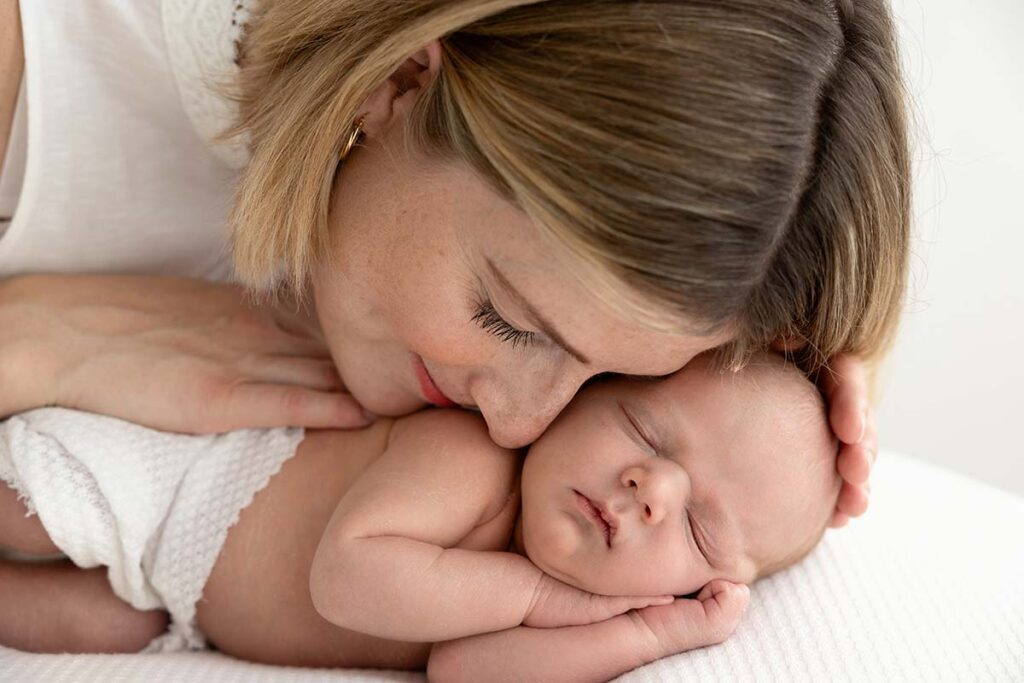
The emotional connection between a mother and her baby is a deep sense of attachment, trust, and love. This bond allows a baby to feel safe, comforted, and understood, while giving the mother a natural instinct to protect and nurture her child.
This connection is built through:
- Physical closeness
- Eye contact and facial expressions
- Touch, cuddling, and feeding
- Responsive care and emotional presence
From a baby’s perspective, the mother is their first source of comfort, security, and communication.
When Does the Mother-Baby Bond Begin?

During Pregnancy
The emotional bond often begins during pregnancy. Mothers may feel connected as they feel the baby’s movements, talk or sing to the baby, and imagine their future together. Babies can recognize their mother’s voice and respond to her emotions even before birth.
At Birth
Skin-to-skin contact immediately after birth strengthens bonding. Holding the baby close helps regulate the baby’s heartbeat, breathing, and temperature while releasing bonding hormones in the mother.
During Early Months
In the first few months, the bond grows through daily care routines such as feeding, bathing, soothing, and responding to cries. Each loving interaction strengthens trust and emotional security.
Why the Mother-Baby Emotional Connection Is So Important
1. Builds a Sense of Safety and Security
A strong emotional bond helps the baby feel safe in the world. When a baby knows their mother is emotionally available, they feel protected and calm.
2. Supports Emotional Development
Babies learn emotions through their mother’s expressions and responses. A nurturing connection helps babies develop emotional regulation, empathy, and confidence later in life.
3. Encourages Healthy Brain Development
Positive interactions, such as talking, smiling, and touch, stimulate brain growth and neural connections, supporting learning and memory.
4. Strengthens Physical Health
Babies with strong emotional bonds often sleep better, cry less, and have stronger immune responses. For mothers, bonding can reduce stress and lower the risk of postpartum depression.
How Mothers Naturally Connect With Their Babies

Mothers build emotional connections through simple, everyday actions, including:
- Responding promptly to cries
- Making eye contact while feeding
- Smiling, talking, and singing
- Gentle touch, cuddling, and holding
- Being emotionally present and patient
These small moments communicate love and reassurance to the baby.
The Role of Emotions in Early Communication
Babies communicate primarily through emotions. Crying, smiling, cooing, and body movements are their way of expressing needs. When a mother responds with warmth and understanding, the baby learns that their feelings matter.
This emotional communication forms the foundation of trust and strengthens the lifelong bond.
Challenges in Building the Emotional Bond
Not every mother feels an instant connection, and that’s completely normal. Factors such as:
- Postpartum depression
- Physical exhaustion
- Medical complications
- Stress or lack of support
can affect bonding in the early stages. With time, patience, and support, the emotional connection can still develop beautifully.
Seeking help from family members, healthcare providers, or counselors can make a positive difference.
How to Strengthen the Emotional Connection Between Mother and Baby

Here are some gentle and effective ways to deepen the bond:
- Practice skin-to-skin contact regularly
- Talk to your baby throughout the day
- Maintain eye contact and smile often
- Follow a comforting routine
- Take care of your own emotional health
Remember, bonding is not about perfection—it’s about presence.
Long-Term Benefits of a Strong Mother-Baby Bond
A healthy emotional connection can lead to:
- Better self-esteem in children
- Stronger relationships in adulthood
- Improved emotional resilience
- Secure attachment styles
- A lifelong sense of love and belonging
This bond becomes the emotional foundation upon which a child builds their future relationships.
Conclusion
The emotional connection between mother and baby is a beautiful, powerful bond that grows through love, care, and everyday moments. It shapes emotional health, builds trust, and creates a sense of security that lasts a lifetime.
The information provided in this blog is for general educational and informational purposes only. It is not intended as medical, psychological, or professional parenting advice. Every mother and baby are unique, and bonding experiences may vary from person to person.
Readers are advised to consult qualified healthcare professionals, pediatricians, or mental health experts for personalized guidance, especially in cases involving postpartum depression, emotional distress, or developmental concerns. The author and publisher are not responsible for any actions taken based on the information provided in this article.
#MotherAndBaby #MotherBabyBond #EmotionalBond #MomAndBaby #ParentingLove #NewMomLife #BabyCareTips #MotherhoodJourney #HealthyAttachment #EarlyBonding #MomLife #BabyLove #ParentingTips #EmotionalConnection #Anslation #Carrerbook #ChildDevelopment #InfantCare #PositiveParenting #MaternalLove #SecureAttachment