
In today’s fast-moving world, staying fit and healthy has become more important than ever. Long hours at work, processed foods, constant screen time, and rising stress levels affect our physical and mental well-being. But the good news? Achieving a healthy lifestyle doesn’t require expensive gyms, fancy meals, or extreme discipline.
It only requires sustainable habits, smart choices, and consistency.
This guide covers everything—fitness, nutrition, mental health, routines, mistakes to avoid, supplements, and more.
1. Understanding Fitness: What It Really Means

Most people think fitness is only about having visible abs or going to the gym every day. But real fitness is much more:
Fitness is the balance of:
- Strength
- Flexibility
- Endurance
- Mental well-being
- Healthy eating habits
- Quality sleep
When your body and mind work together, you feel more energetic, productive, confident, and emotionally balanced.
2. Benefits of Staying Fit & Healthy

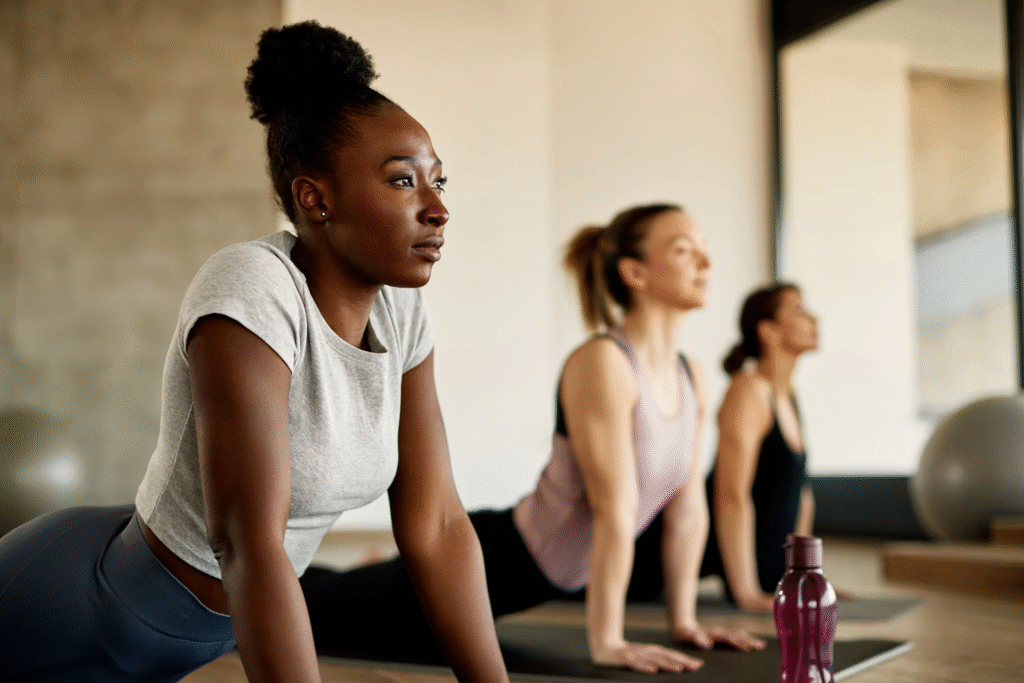
Making fitness a priority gives you long-term benefits such as:
Physical Benefits
- Higher energy levels
- Stronger muscles and bones
- Better digestion and metabolism
- Healthy weight maintenance
- Reduced risk of lifestyle diseases (diabetes, BP, cholesterol)
Mental Benefits
- Reduced stress and anxiety
- Improved mood and confidence
- Better concentration
- Enhanced sleep quality
Lifestyle Benefits
- More productivity
- Better posture
- Slower aging
- Increased self-discipline
Fitness is the one habit that improves almost every area of your life.
3. The Best Exercises for Total Body Fitness
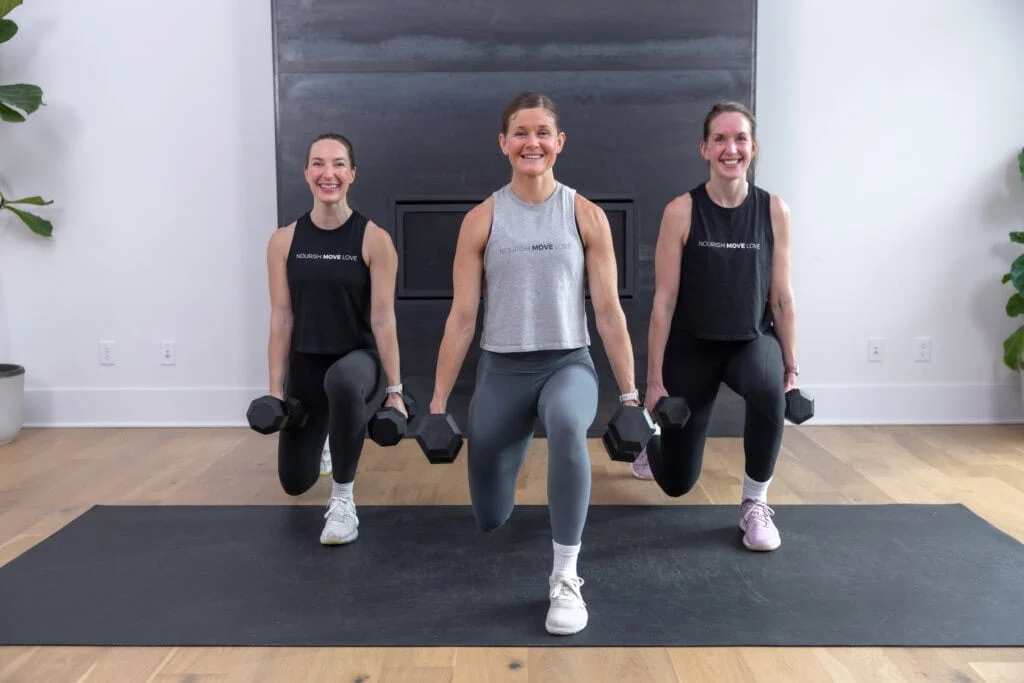
You don’t need a gym to get fit. These exercises build strength, boost stamina, and burn calories:
A. Cardio Exercises
Great for heart health and fat loss.
- Brisk walking
- Jogging or running
- Cycling
- Jump rope
- Aerobic workouts
- Zumba or dance fitness
Do 20–30 minutes, 4–5 days a week.
B. Strength Training
Builds muscles, increases metabolism, and shapes the body.
Bodyweight Exercises
- Squats
- Push-ups
- Planks
- Lunges
- Burpees
- Mountain climbers
Weight-Based Exercises
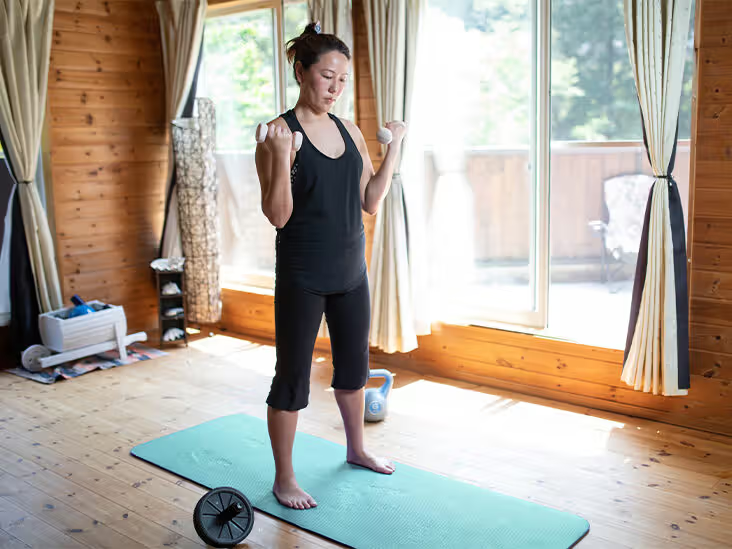
- Dumbbell curls
- Deadlifts
- Bench press
- Shoulder press
- Resistance band workouts
Do strength training 3–4 times a week.
C. Flexibility & Mobility
Keeps your muscles loose and reduces injury risk.
- Yoga
- Stretching
- Pilates
- Foam rolling
Do 10–15 minutes daily.
4. Complete Weekly Fitness Routine (Beginner-Friendly)


Monday: Full-body strength training
Tuesday: 30–40 min walk or jog
Wednesday: Upper body + core workout
Thursday: Yoga or mobility
Friday: Lower body strength training
Saturday: Light cardio or sports
Sunday: Rest or stretching
This schedule gives you balance, recovery, and consistent progress.
5. Nutrition: The Fuel Your Body Needs

Your results depend 70% on your diet and 30% on your workout.
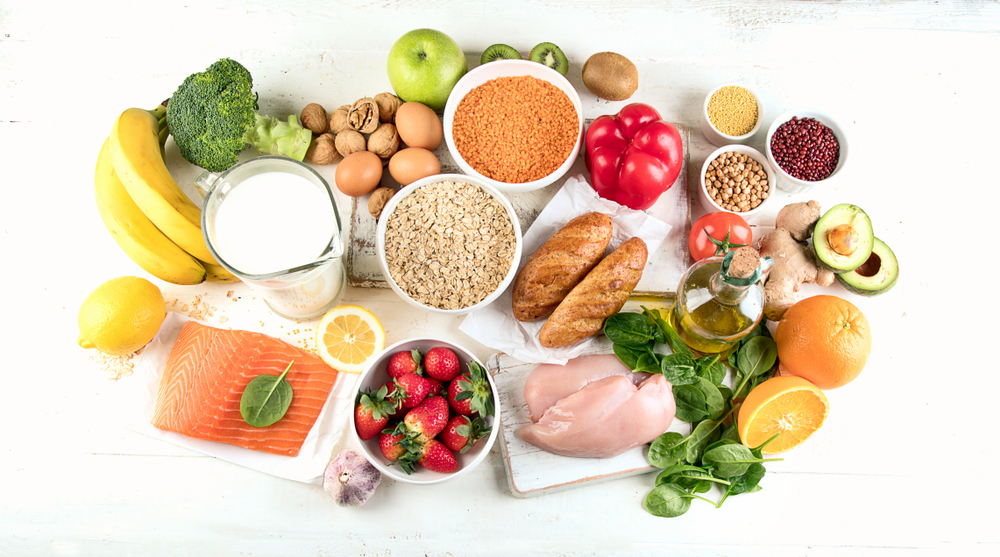
A. Build a Balanced Plate
Every meal should include:
- Protein: Eggs, chicken, pulses, tofu, paneer
- Carbohydrates: Whole grains, oats, rice, potatoes
- Healthy fats: Nuts, olive oil, coconut, seeds
- Fiber: Veggies, fruits, whole grains
- Hydration: 2–3 liters of water
B. Foods to Include Daily
- Fruits (banana, apple, berries)
- Vegetables (leafy greens, carrots, beetroot)
- Proteins (chicken, fish, eggs, lentils)
- Good fats (avocado, nuts)
- Complex carbs (millets, rice, oats)
C. Foods to Limit
- Fried foods
- Sugary drinks
- Excessive sweets
- Processed snacks
- Too much salt
Your diet should support your fitness—not slow it down.
6. Sleep & Recovery: The Most Underrated Health Habit

Your body repairs itself while you sleep.
Aim for 7–8 hours every night.
Poor sleep leads to:
- Weight gain
- Hormonal imbalance
- Slow metabolism
- Low energy
- Mental stress
A good sleep cycle is essential for a healthy body.
7. Mental Fitness: The Foundation of Good Health


You can’t have a fit body without a fit mind.
Improve your mental health with:
- Deep breathing
- Meditation
- Nature walks
- Journaling
- Limiting screen time
- Positive self-talk
A calm mind makes it easier to stay consistent.
8. Common Fitness Mistakes to Avoid

Many people quit because they make these mistakes:
- Expecting results too fast
- Overtraining
- Skipping warm-ups
- Not eating enough protein
- Following crash diets
- Comparing yourself with others
- Ignoring rest days
Fitness is a journey, not a race.
9. Supplements: Do You Need Them?
Supplements are optional but helpful for some people.
Popular fitness supplements:
- Whey protein
- Multivitamins
- Omega-3
- Creatine
- Electrolyte drinks
Always consult a professional before starting supplements.
10. Tips to Stay Motivated Everyday

- Set small, achievable goals
- Track your progress
- Use a fitness app
- Follow fitness creators
- Join group workouts
- Reward yourself for consistency
- Do workouts you enjoy
Fitness should be fun—not stressful.
11. Long-Term Goal: A Healthy, Balanced Lifestyle
A truly healthy life means:
- Being strong
- Feeling energetic
- Eating smart
- Sleeping well
- Staying mentally stable
- Enjoying the process

Fitness is a lifelong investment in yourself.
The information provided in this article is for general fitness and health education purposes only. It is not intended to replace professional medical advice, diagnosis, or treatment. Always consult with a qualified healthcare provider, physician, or certified fitness trainer before starting any new exercise program, diet plan, or supplement routine—especially if you have any medical conditions, injuries, or ongoing treatments.
Individual results may vary based on factors such as age, health status, consistency, and lifestyle choices. The author and publisher are not responsible for any injury, health issues, or damages that may occur from following the advice or information presented here. Use the content at your own discretion and risk.
#Fitness #Health #HealthyLifestyle #WorkoutMotivation #Anslation #Carrerbook #FitnessGoals #WellnessJourney #GymLife #NutritionTips #HealthyHabits #FitLife #ExerciseDaily #MindBodyHealth #StayActive #FitnessTips #GetFit